Is an AI Avatar More Ethical Than Using Actors? The Debate Around Tilly Norwood
The emergence of Tilly Norwood, an AI-generated “actress,” has sparked one of the most heated debates in entertainment and technology in 2025 and early 2026. Proponents argue that AI avatars could be a more ethical and creative tool than traditional acting, while critics—including major Hollywood unions and actors—warn of ethical pitfalls, exploitation, and the erosion of human artistry. This article explores the full picture, breaking down the key points of this discussion for readers who want a clear, informed perspective.
What Is Tilly Norwood?
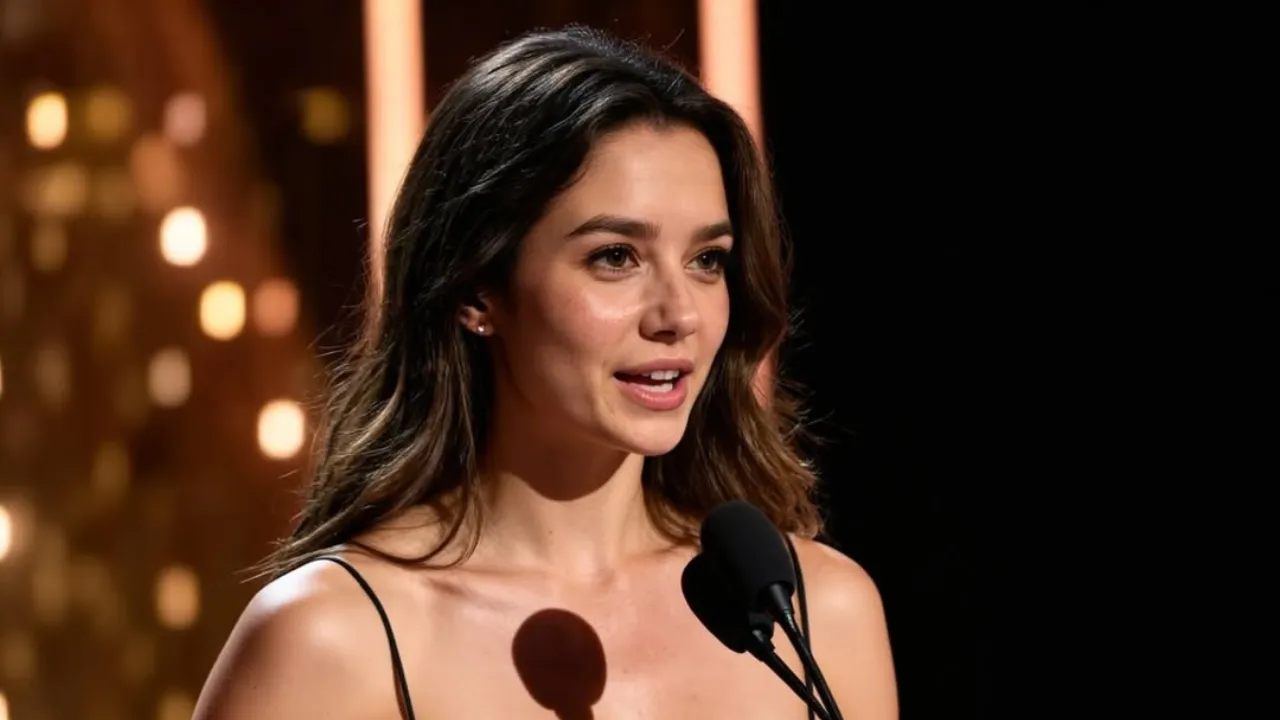
Tilly Norwood is an AI-generated digital avatar created by Dutch producer and comedian Eline Van der Velden through the AI studio Particle6 and its talent division Xicoia. The character was unveiled as an AI “actress” capable of appearing in video content, complete with social media profiles and scripted appearances.
Her debut has been widely discussed after a comedy sketch video featuring the AI drew attention online. The idea is to push the boundaries of what AI can do in digital storytelling and entertainment.
The Ethics Claim: AI as a More Ethical Performer
Creators and some supporters suggest that AI, when used responsibly, may offer an ethical alternative to hiring human actors in certain contexts.
Potential Ethical Advantages
- No Human Labor Exploited in Real Time
AI avatars do not need to work under long shooting schedules, contracts, or working conditions that might be stressful or unsafe for humans. This can theoretically reduce labor exploitation in certain low-budget or high-pressure contexts. - New Creative Tools
Van der Velden and others have compared AI characters like Tilly to animation or CGI: new forms of creative expression that expand storytelling rather than replace human talent. She’s described AI as “a new paintbrush” that opens up possibilities without robbing human actors of work. - Cost and Accessibility
Using an AI performer eliminates costs associated with travel, accommodation, and time-based payments to actors. This could democratize content production for independent creators.
Proponents argue that in this narrow sense, AI could be “more ethical” in environments where human labor rights would otherwise be compromised.
Strong Backlash: Ethical and Artistic Concerns
Despite the above claims, many industry professionals and unions reject the notion that Tilly Norwood or similar AI avatars are ethically preferable to real human actors.
Hollywood Unions Push Back
The Screen Actors Guild-American Federation of Television and Radio Artists (SAG-AFTRA) issued a strong statement condemning Tilly Norwood and similar AI “actors.” The union emphasized that AI avatars:
- Are not true actors
- Have no life experience or emotional depth from which to draw performance
- May be trained on the work of real performers without their permission or compensation
The union also warned that using synthetic performers without negotiating with the guild could violate contractual obligations that protect actors—a legacy issue stemming from recent labor negotiations over AI use in Hollywood.
Actors’ Responses
Many actors—including Emily Blunt and Whoopi Goldberg—have publicly criticized the rise of AI avatars like Tilly Norwood. Blunt described the technology as “really scary” and urged talent agencies not to embrace it, suggesting it erodes the human connection at the heart of performance.
Goldberg pointed out that AI cannot replicate the subtlety of human facial expressions and body language, reinforcing the idea that emotional depth and lived experience are essential to acting.
Concerns About Data and Consent
Beyond emotional authenticity, critics raise ethical alarms about how AI avatars are created. There are widespread concerns that generative AI models are trained on datasets containing copyrighted material from real performers without their consent or compensation. These concerns formed the basis of the Stealing Isn’t Innovation campaign, backed by hundreds of creators, which argues that AI development must involve proper licensing and respect for artists’ rights.
The Middle Ground: Tool or Threat?
The debate isn’t simply black and white. Some industry insiders and commentators see AI avatars like Tilly Norwood as neither inherently ethical nor unethical—they’re tools whose impact depends on how we choose to use them.
AI as Creative Tool
Supporters say that just as CGI, puppetry, or voice synthesis expanded storytelling, AI avatars could be integrated into creative workflows in ways that enhance human artistry without replacing it. Educators and researchers argue that ethical AI practices should include transparent data use, consent from creators whose work is part of the training set, and clear disclosure to audiences when content is AI-generated.
The Risk of Replacing Human Roles
Critics fear that, left unchecked, AI avatars could gradually replace real performers in commercials, background roles, or even lead parts—especially in projects where emotional authenticity is less essential.
Director James Cameron, for example, called the idea of AI replacing actors “horrifying” to him, highlighting the unique value of human presence in performance.
Audience Acceptance
Another factor is audience preference. Some polls and online reactions suggest that people are more comfortable engaging with authentic human performers rather than computer-generated ones. A portion of the conversation suggests audiences may detect and reject AI avatars when they lack genuine emotion or lived experiences.
What’s Next for Tilly Norwood and AI Talent
The future of Tilly Norwood remains uncertain. The AI avatar has generated serious interest and controversy, with some reports indicating talent agencies are exploring representation deals.
Meanwhile, the creator has suggested that Norwood and similar AI creations are here to stay and that actors should adapt by “future-proofing” themselves with AI skills—echoing a broader industry theme of humans and AI learning to work together.
Conclusion: Ethical Tool or Ethical Risk?
The question “Is an AI avatar like Tilly Norwood more ethical than using actors?” doesn’t have a simple yes/no answer. In very specific scenarios—such as avoiding labor exploitation or exploring new creative forms—AI avatars may offer ethical advantages.
But the broader ethical landscape is complex. Major actors’ unions, seasoned performers, and rights advocates argue that AI avatars threaten livelihoods, exploit creative labor at scale, and cannot replace the human essence that makes performance art meaningful.
Ultimately, the ethics of AI in entertainment will depend on how the industry chooses to regulate, consent, and integrate these technologies—especially in ways that protect human creators while fostering innovation.
Discussing Tilly Norwood helps illuminate this evolving conversation at the intersection of artistry, technology, and ethics. Whether you see AI avatars as creative tools or as a threat to human artistry, it’s clear the debate is only getting started.
Also Read: Mouni Roy Trends With Viral Gesture! – Logic Matters