AIMIM’s Sahar Shaikh Apologizes for ‘Paint Mumbra Green’ Remark
Introduction: Who Is Sahar Shaikh and Why the Controversy?
Sahar Shaikh, a young corporator from the All India Majlis-e-Ittehad-ul-Muslimeen (AIMIM), recently found herself at the centre of a political storm. Her comment about wanting to “paint Mumbra green” during a victory speech sparked widespread debate and backlash across political and social circles. In the ensuing days, Sahar Shaikh issued a formal apology, clarifying her intent and attempting to calm tensions that had arisen in the region. This article unpacks the incident, its political context, the reactions it triggered, and what her apology means for local politics.
The ‘Paint Mumbra Green’ Comment Explained
What Sahar Shaikh Said and Why It Caused a Stir
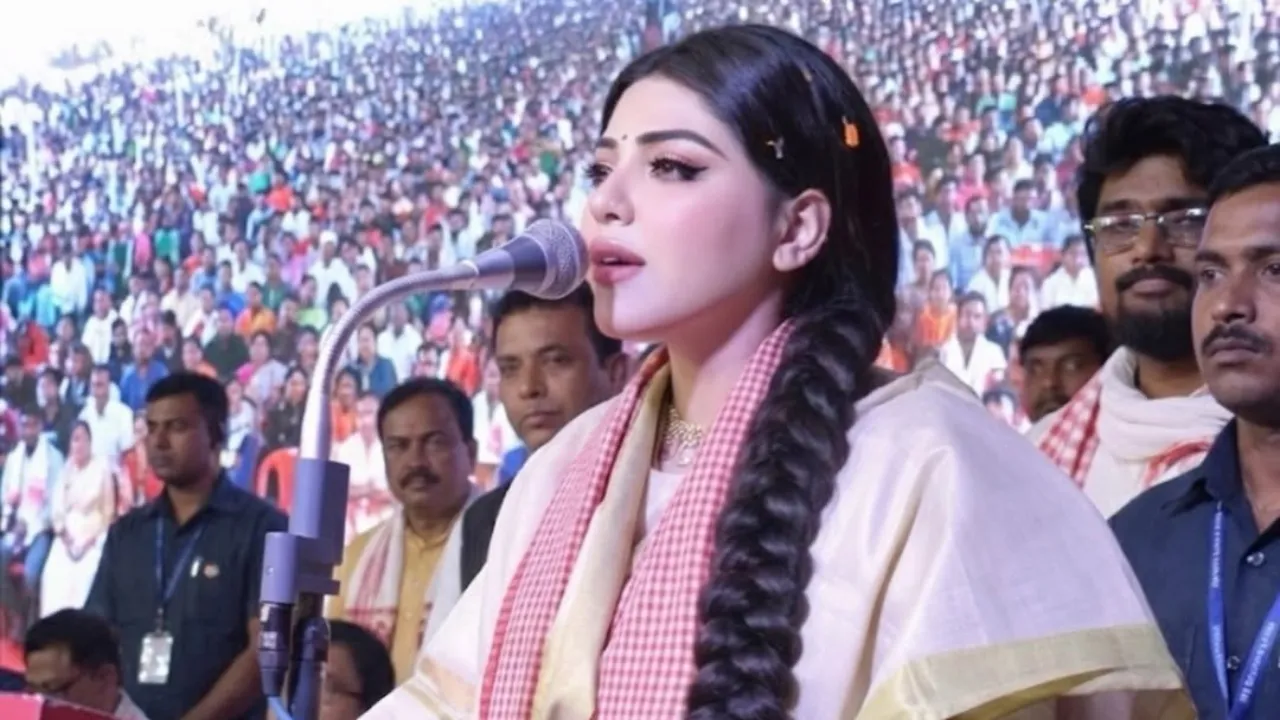
In a victory speech following her win from Ward No. 30 in the Thane Municipal Corporation elections, Sahar Shaikh used a vivid phrase: she said she wanted to “paint Mumbra green” over the next five years. At face value, this statement referred to expanding AIMIM’s political presence, as the party’s flag colour is green. However, the phrase was interpreted by many political opponents as having communal undertones—implying a shift in the town’s identity.
Political rivals claimed that the wording could stoke division in a diverse community such as Mumbra, where people from various religious and social backgrounds live. This interpretation triggered backlash from sections of the Bharatiya Janata Party (BJP) and allied groups, who alleged that the remark was insensitive and possibly inflammatory.
Sahar Shaikh’s Clarification Before the Apology
Before issuing her apology, Sahar Shaikh responded to criticism by explaining that her comment was simply political imagery tied to her party’s symbol. She said the green reference was about the AIMIM flag, not about any religious change in the area. Shaikh pointed out that if her party’s colour had been different, she might have used a different colour in her metaphor. Her intent, she maintained, was political pride and optimism about her party’s future influence, not communal provocation.
The Official Backlash and Police Involvement
Political Reactions and Complaints
The remark quickly triggered a response from BJP leader Kirit Somaiya, who claimed the statement hurt religious sentiments and could disturb communal harmony. The BJP filed a formal complaint with local police, urging strict action. Somaiya and other critics framed the comment as part of broader political manoeuvres they described as polarising.
In addition to political opposition, some local organisations and citizens expressed concern that such language could deepen divisions within Mumbra, a town with a varied demographic composition. These reactions highlighted the sensitive nature of rhetoric in Indian civic politics, where symbolic language often carries strong emotional weight.
Police Notice and Inquiry
Following the complaint, Mumbra police issued notices to Sahar Shaikh, asking her to explain her comments. Law enforcement officials described the notices as a preventive step to ensure law and order and to remind public figures of their responsibility to avoid statements that might inflame public sentiment. Sahar Shaikh was called in for questioning, and authorities cautioned her to exercise greater care in public statements moving forward.
Sahar Shaikh’s Written Apology
The Apology and Its Core Message
In response to the controversy and official inquiry, Sahar Shaikh submitted a written apology at the Mumbra police station. In her note, she expressed regret if her language had hurt anyone’s feelings. She reiterated that her intention was never to disrespect any community or to promote division. Instead, she said her original remark was an expression of political enthusiasm tied to her party’s colours.
As part of her statement, Shaikh emphasised her respect for the Indian national flag and pledged, in clear terms, her loyalty to the tricolour. She said she lives and dies for the national flag, signalling her allegiance to the country above all else. This element of her apology aimed to reassure critics that she values national unity and constitutional values.
Police Response to the Apology
The police accepted Sahar Shaikh’s written apology but issued a warning that any repetition of controversial remarks might attract stricter action. Authorities noted that while they considered the written retraction significant, maintaining peace and harmony in the community was a priority.
Political Commentary on the Issue
Supporters vs. Critics
While some political figures accepted her apology and urged calm, others continued to criticise the sentiment behind the remark. BJP leaders maintained that the comment was inappropriate and indicative of divisive political strategies. At the same time, defenders argued that the reaction was exaggerated and that leaders across parties often use symbolic language tied to their party colours to express political zeal.
This divide underscores the heightened sensitivities surrounding public discourse in Indian politics, where phrases and metaphors are quickly interpreted through broader socio-political lenses.
Local Political Implications
The episode has highlighted the increasing intensity of political competition in places like Mumbra, where AIMIM’s gains have challenged long-standing dominance by other parties such as the Nationalist Congress Party (NCP). Sahar Shaikh’s victory was part of AIMIM’s stronger performance in the Thane Municipal Corporation elections, where the party secured multiple seats. This changing political landscape adds context to why seemingly offhand comments can attract significant attention and reaction.
What This Means Going Forward
The Importance of Responsible Rhetoric
The “paint Mumbra green” incident serves as a reminder of how political language matters, especially in diverse local settings. For elected representatives like Sahar Shaikh, using clear, inclusive language is essential to maintaining community trust and avoiding unnecessary controversy.
Leaders across parties can learn from this episode about balancing enthusiasm with awareness of public perception. Responsible rhetoric helps avoid misunderstandings and fosters healthy political debate rather than division.
Public Reaction and the Broader Debate
Public reaction has been mixed. Some commentators argue that political rhetoric should be free and colourful, while others stress the need for caution in communities with complex social fabrics. Social media played a significant role in amplifying both criticism and support, showing how quickly political narratives can spread and shape public opinion.
Conclusion: Sahar Shaikh’s Apology and Its Significance
Sahar Shaikh’s journey from a controversial remark to a public apology illustrates the challenges faced by young politicians in India’s vibrant democratic ecosystem. While her comment about “painting Mumbra green” was intended as political metaphor tied to her party’s identity, it sparked a debate about communal sensitivity and political responsibility. Her written apology, acceptance of accountability, and reaffirmation of loyalty to the national flag have helped calm official scrutiny and brought the immediate controversy to a close.
Also Read: Ishan Kishan Faces Heat Over Team Spot! – Logic Matters