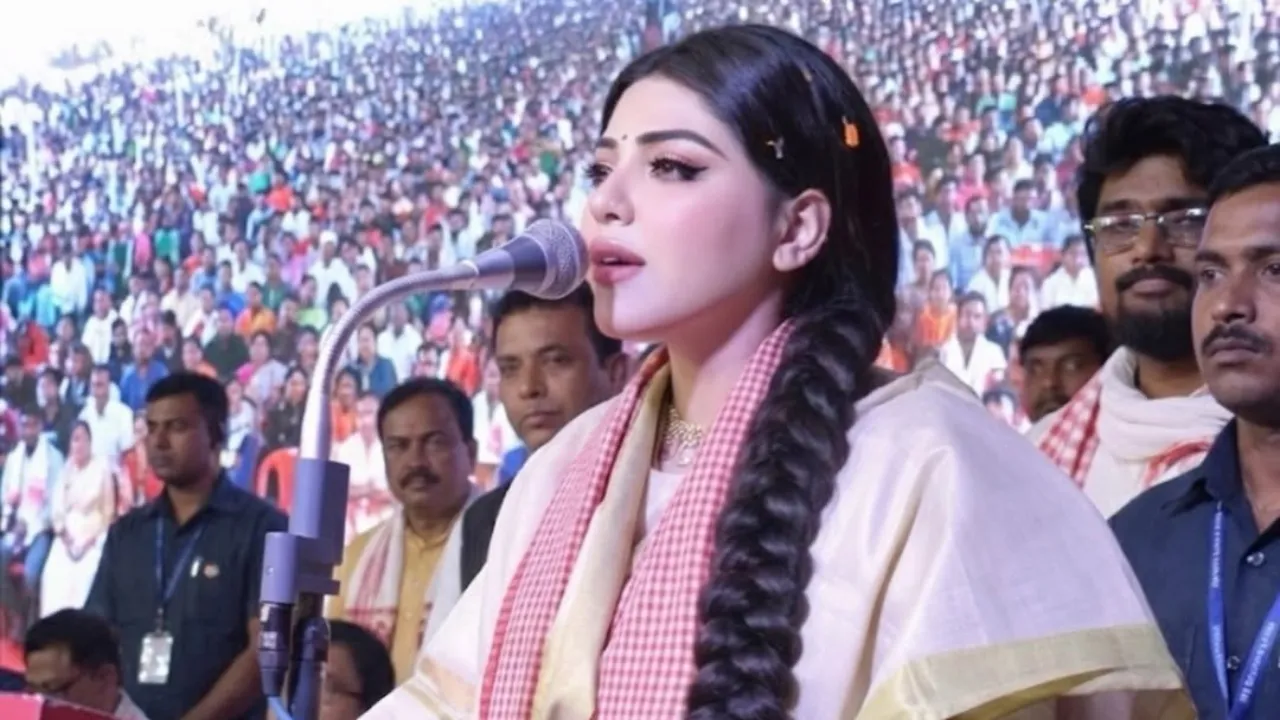
X Post Shares BJP Leader’s Pics & Asks “What Do You Think of Her?” — Pamela Goswami Slams Sick Mindset
In a recent social media stir, Pamela Goswami, a well-known BJP leader, found herself at the center of an online controversy after an X (formerly Twitter) post shared her pictures and asked netizens, “What do you think of her?” The reaction sparked an intense discussion about online objectification, political discourse, and respect for public figures — especially women in leadership roles. Here’s a clear, up-to-date look at what happened, why it matters, and how Pamela Goswami responded.
Understanding the Viral X Post About Pamela Goswami
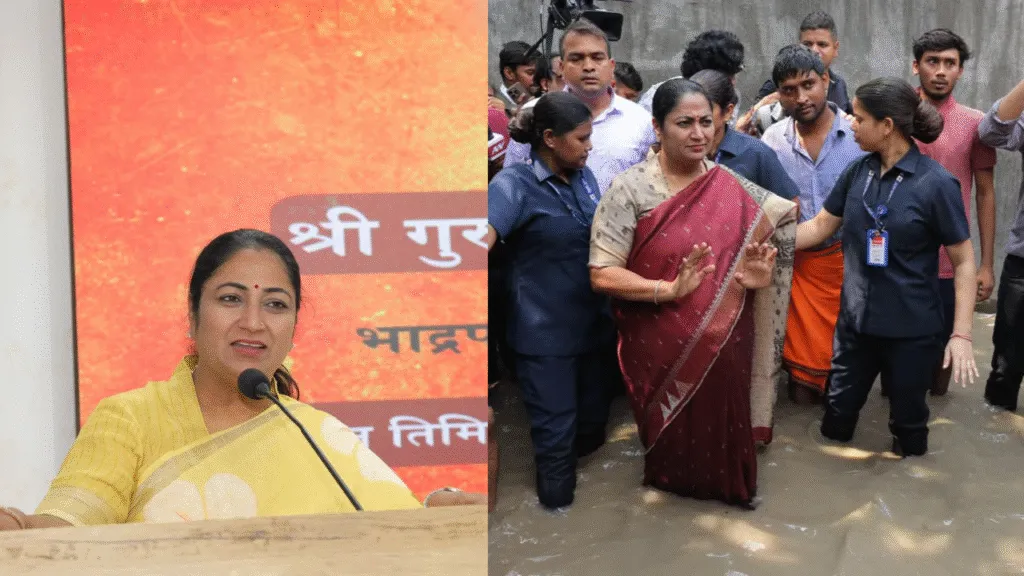
The controversy began when someone on X shared two photos of Pamela Goswami with a caption inviting people to comment on her appearance or persona. The post also framed her as a “newly-launched youth leader” by the BJP, seemingly inviting opinions about her looks and role rather than her work or ideas.
Rather than letting the engagement play out, Pamela Goswami responded with a firm reprimand of the mindset behind the post. She called it “sick and regressive,” highlighting how such content focuses on appearance over substance — a problem that many women leaders face in politics and public life.
Who Is Pamela Goswami?
A Youth Leader in BJP Politics
Pamela Goswami is a political leader associated with the Bharatiya Janata Party (BJP) in West Bengal. She serves as a leader in the party’s youth wing, the Bharatiya Janata Yuva Morcha, and was appointed State Secretary for the BJYM in 2020. Prior to joining politics, she was active in social platforms and had a presence across various public engagements.
Her roles include:
- State Secretary of BJP Youth Wing
- Observer for Hooghly district
- National Media Panelist and spokesperson
- Advocate for youth, women, and grassroots engagement
Her political work focuses on social welfare, empowerment campaigns like Beti Bachao Beti Padhao, and advocacy for rural development initiatives promoted by the central government.
Pamela Goswami’s Social Media Influence
Pamela Goswami has a significant social media presence, especially on platforms like Instagram, Facebook, and X. She uses these channels to share updates about her public engagements, fieldwork, and policy priorities. Her online voice is often strong and direct, reflecting her outlook on political issues and current affairs.
This visibility has both helped her connect with younger voters and exposed her to scrutiny — including from critics who choose to focus on aspects other than her leadership work.
Why Her Response Matters
Challenging Objectification in Politics
Pamela Goswami’s reaction to the X post wasn’t just a personal rebuke; it was also a broader statement on how women leaders are portrayed online. By calling the mindset behind the post “sick,” she pushed back against a culture that too often judges women in public life based on appearance or superficial criteria rather than their achievements or ideas.
This point resonates beyond one individual, reflecting a global challenge where women in politics are often subject to objectification and insensitivity on digital platforms.
Context: Controversies Around Pamela Goswami
It’s worth noting that Pamela Goswami has been a figure of controversy in the past. In 2021, she was arrested in Kolkata along with an associate after police allegedly found cocaine in her possession. Goswami claimed she was falsely implicated and later moved the Supreme Court seeking compensation for malicious prosecution, asserting that the case had damaged her reputation and caused personal trauma.
While that episode is separate from the recent social media debate, it illustrates how public figures — especially those from political backgrounds — can become subjects of intense public attention, both positive and negative.
The Larger Issue: Online Discourse and Respect
Social Media’s Role in Shaping Perceptions
Social platforms like X offer powerful tools for political engagement, but they can also encourage shallow or harmful discussions. When conversations about politicians turn to looks or memes instead of policy or performance, it distracts from meaningful discourse.
Statements that draw attention to appearance rather than competence can reinforce harmful stereotypes — particularly about women in leadership. Pamela Goswami’s response highlights how important it is to steer online engagement toward respect and substance.
What Pamela Goswami’s Stand Tells Us
By calling out the post’s intent and labeling it as regressive, Pamela Goswami underscored three key points:
- Women leaders deserve respect for their roles and contributions.
- Social media should promote substantive discussion, not objectification.
- Public engagement must be mindful and constructive, not demeaning.
Her stance demonstrates leadership and serves as an example for others facing similar digital scrutiny. It encourages citizens and political commentators alike to focus on issues that matter — policies, performance, and public service — rather than reducing debates to personal judgments.
Final Takeaway: Pamela Goswami and Digital Responsibility
In a media environment where impressions spread fast and opinions form quickly, leaders like Pamela Goswami remind us that respect and relevance should guide discourse. Instead of trivializing public figures, we should aim to discuss ideas, actions, and impacts.
The recent X post controversy is more than just a moment in online news — it’s a reflection of how political dialogue is evolving and how individuals can challenge unhealthy norms. Pamela Goswami’s response contributes to a broader conversation about dignity, digital conduct, and the place of women in contemporary politics.
Also Read: Arjun Tendulkar to Wed Saaniya Chandhok in March 5 2026! – Logic Matters