Why so lazy — put original pics in sarees: Shantanu Naidu on the AI saree trend
The internet loves a trend, but every so often a voice cuts through the noise and asks a simple question: why recreate what you already have? That’s exactly what Shantanu Naidu — best known as Ratan Tata’s aide and the face behind the Instagram series Sock Talks — did when he lightly roasted the viral Google Gemini “Nano Banana” AI saree trend. His short, frank video asking users to just wear their real sarees instead of generating fake ones struck a chord across India.
What happened: Shantanu Naidu’s take on the Gemini AI saree trend
Over the past few days, AI-generated retro-Bollywood-style portraits (often produced with Google’s Gemini Nano/Banana tools) flooded social feeds. Users were transforming their selfies into glamorous saree-clad images using prompts and AI filters.
Shantanu Naidu stepped in with a straightforward message: many Indian wardrobes already hold dozens of sarees — so why use AI to fake the look? In a short clip shared on his Instagram channel, he jokingly called the trend “lazy” and urged people to wear their sarees and take real photos instead. The clip quickly went viral, picked up by multiple mainstream outlets.
The exact message (short and sharp)
Naidu’s core line — paraphrased across publications — boiled down to: “You already have sarees in your closet; wear them. You’ll look more beautiful in a real saree.” He also quipped about cultural fit: while AI-generated gowns or foreign outfits might make sense where wardrobes lack them, sarees are native to India — so the AI-edit felt unnecessary to him and many viewers.
Why this comment matters: culture, authenticity, and tech fatigue
Shantanu Naidu’s jab is more than a funny one-liner. It taps into bigger conversations happening today:
- Cultural authenticity: Sarees are not just garments; they represent regional identity, family heirlooms, and personal stories. Naidu’s remark asked people to value the real thing.
- Digital convenience vs. lived experience: AI can conjure looks far quicker than staging a photoshoot. Naidu highlighted that convenience shouldn’t replace lived reality, especially when that reality is accessible.
- Trend reflexivity: When a viral idea becomes a reflex — “apply AI to everything” — it invites pushback. Naidu’s video is a timely example of cultural self-check.
What the Gemini Nano/Banana trend actually is
If you haven’t seen it: the trend uses Google’s Gemini AI family (often dubbed “Nano” or playfully “Nano Banana” online) to generate stylised portrait images by feeding short prompts and selfies into the tool.
Creators are getting retro, cinematic saree edits that look like old Bollywood posters or high-fashion editorials. The result is visually arresting — which explains the rapid spread — but the method raises questions about originality, consent, and the value of real photographs.
Practical takeaways (how to react to AI trends — advice from the debate)
Whether you’re a creator, influencer, or everyday user, Naidu’s nudge can be turned into practical guidance:
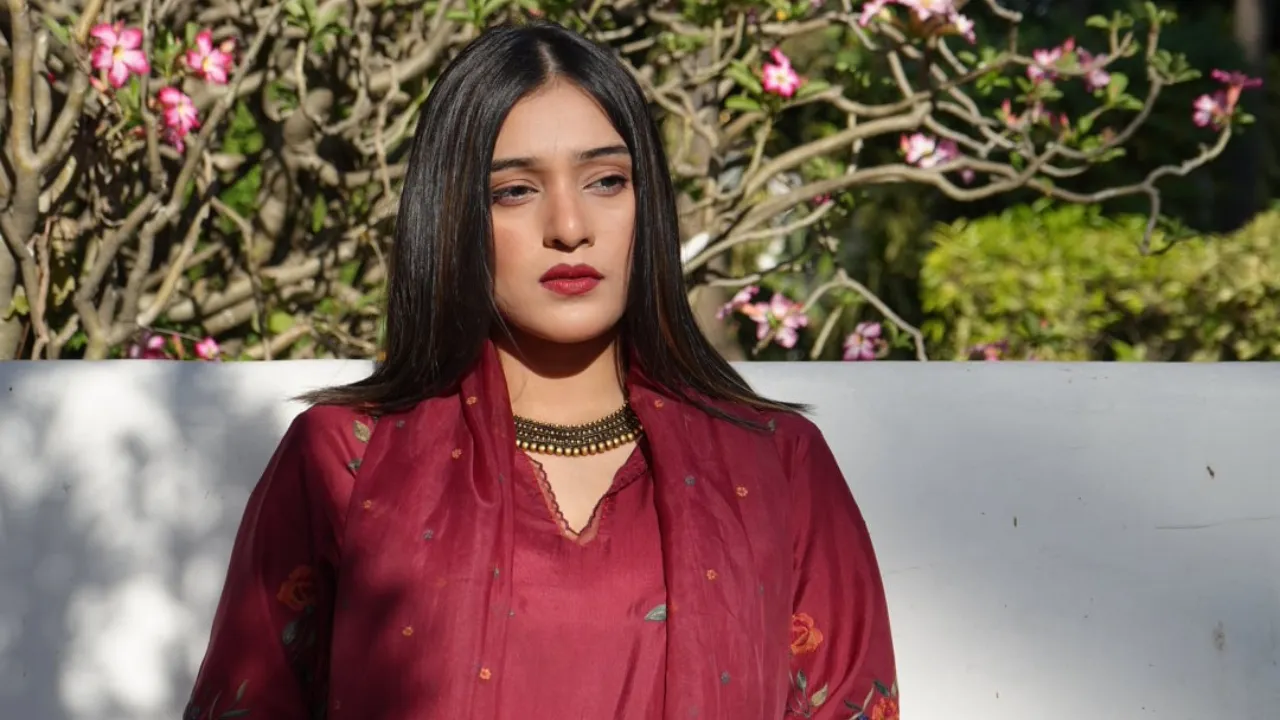
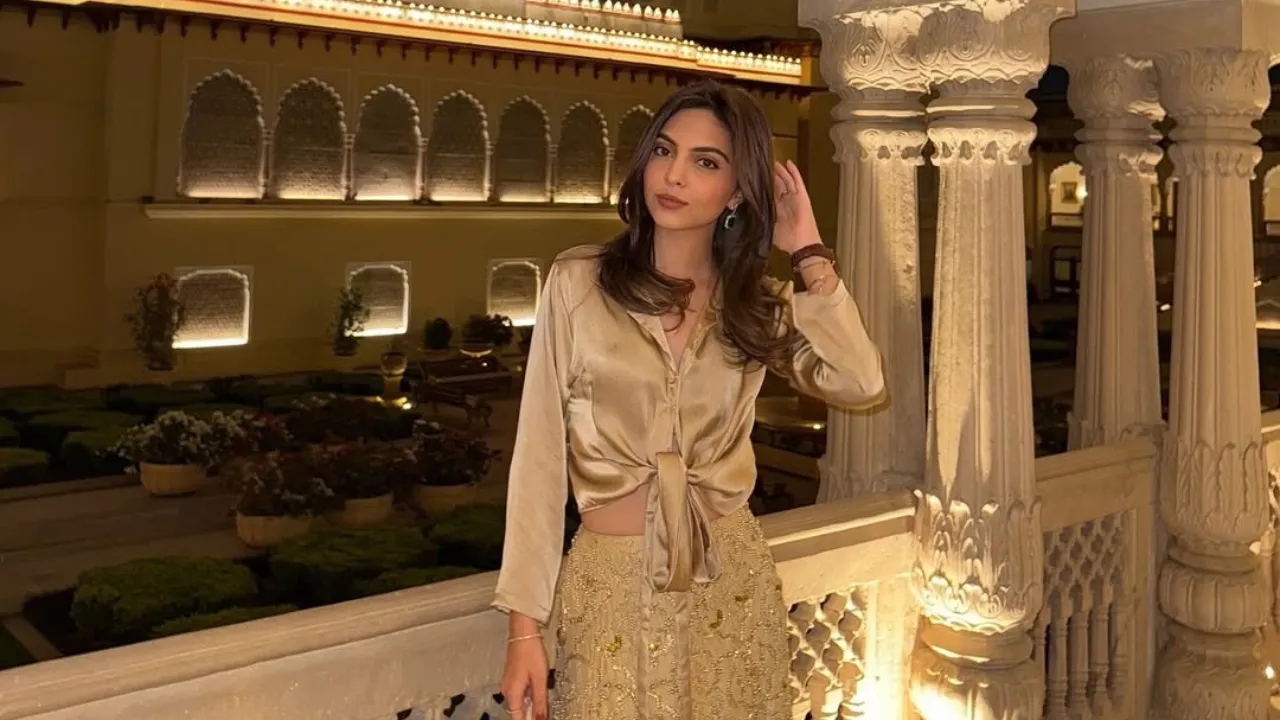
- Wear the sari you own. A simple, well-lit photo often trumps an over-processed AI image. Authenticity sells.
- Use AI intentionally. If you’re experimenting for fun or design, say so. Label AI images to avoid confusing people about what’s real.
- Value consent and sourcing. If you use AI models that expose faces or replicate styles, think about permissions and privacy.
- Learn basic photography. Good lighting and framing will make your real saree photos look pro with a small effort.
These suggestions protect cultural value while letting you enjoy the creative possibilities of AI — without losing sight of authenticity.
Reactions and why the clip went viral
Shantanu Naidu’s persona helped. He’s known, accessible, and his comment felt less like moralizing and more like a friendly roast. Media outlets and social users amplified the clip because it struck a shared cultural nerve: people enjoy the AI edits, but many also appreciate the gentle reminder to celebrate what’s already nearby.
Mainstream outlets reported the clip within 24 hours, and the post has clocked millions of views across platforms. The coverage framed Naidu’s remarks as both humorous and culturally resonant.
The larger ethical frame: AI, image trust, and digital literacy
Naidu’s video is a small episode in a larger story about how AI changes image production.
- Trust: As AI makes photorealistic images easier, audiences must develop literacy to distinguish real from generated visuals.
- Attribution: Platforms and creators should be transparent about AI use — a practice already being encouraged by many outlets and policy discussions.
- Cultural sensitivity: Tools built on global datasets can overlook local contexts. Naidu’s point about sarees is an example: not all trends translate meaningfully across cultures.
These are ongoing conversations involving tech companies, journalists, and cultural commentators. Naidu’s view adds a popular-culture voice to that debate.
Final thought: celebrate what you have — and use tech wisely
Shantanu Naidu’s roast of the AI saree trend is a timely reminder: technology is powerful, but it shouldn’t replace lived experience or cultural authenticity. If AI sparks creativity, great. But if it becomes a shortcut to simulate something you already own — a saree, a family heirloom, a cultural moment — pause and ask whether the technology is adding value or masking the real thing.
Wear your saree. Take a photo. Share the story behind it. If you still want to play with AI afterward, go ahead — but do it with intention, and tell your audience what’s real.
Also Read: Ashu Ghai’s Genius Tricks: Making Science Fun for Millions!