Who was the young manager who saved guests inside the Taj Hotel on 26/11?
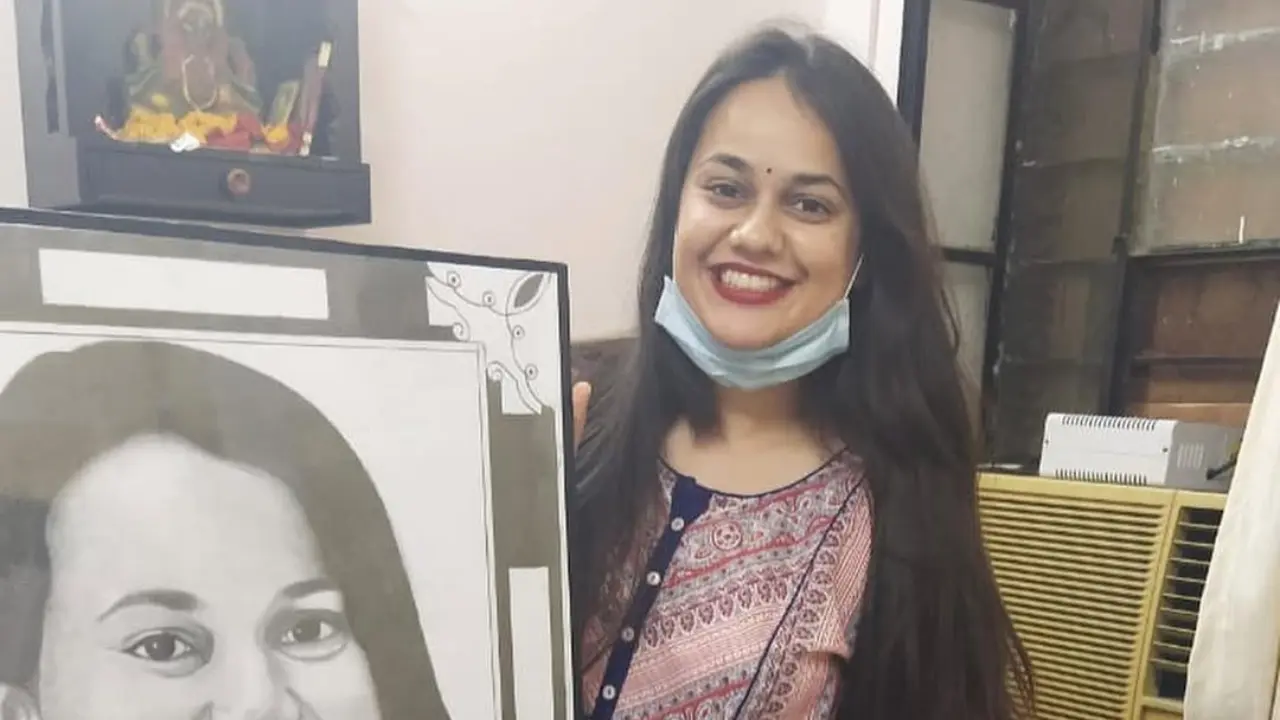
The name that keeps coming up when people ask who the young manager was is Mallika Jagad — a 24-year-old banquet supervisor at the Taj Mahal Palace (commonly referred to as the Taj Hotel) who showed remarkable leadership during the 26/11 Mumbai attacks in November 2008. Her fast thinking and calm under pressure helped protect dozens of guests trapped inside the hotel that night.
Taj Hotel on 26/11 — short scene-setting
On the evening of November 26, 2008, a coordinated terrorist attack hit multiple locations across Mumbai. The siege at the Taj Hotel became one of the most harrowing episodes: terrorists entered the property, set fires, and held guests and staff hostage as the assault stretched over many hours and into the following days. The hotel staff — from managers to room attendants and chefs — were repeatedly credited with saving lives while facing extreme danger.
How a young banquet manager became a leader
Mallika Jagad was assigned that night to supervise a dinner in a private dining/banquet room where senior executives and their spouses were gathered. When the first gunshots and explosions were heard, she realized the situation was far more serious than celebratory fireworks.
Instead of freezing, she and her small team moved quickly: they hid guests behind locked doors, turned off the lights to keep the room dark, gave calming instructions, and started planning an escape route. At several points Mallika helped ferry people out through windows and stairways when corridors became unsafe. The guests later credited her with keeping panic to a minimum and saving many lives.
What Mallika did — concrete actions that saved lives
- Maintained calm and command. She took charge of a frightened group and kept them focused and quiet — a small action that prevented panic from turning deadly in a confined space.
- Secured the room. With doors locked and lights off, she reduced the chance the attackers would spot or target the group.
- Organized escape and shelter. When smoke or fire made staying unsafe, Mallika helped coordinate escape through windows and staircases, guiding guests step-by-step to safer areas.
Those choices — calm command, quick physical steps to conceal and move people, and an emphasis on keeping guests together — are the kinds of practical crisis actions that separate lucky outcomes from tragedies.
Why her story matters for the Taj Hotel legacy
The Taj Hotel is a global icon, and the staff’s response on 26/11 became central to the hotel’s legacy after the attacks. Mallika’s story highlights an important point: training, responsibility, and presence of mind among frontline staff can save lives even when institutions are under attack.
The broader narrative of the hotel staff — from kitchen workers to managers — has been told repeatedly in retrospectives and books, and later inspired films and case studies about ethics and crisis leadership. Mallika is often singled out because she was young and suddenly thrust into a leadership role that required moral clarity and decisive action.
What credible sources say (quick verification)
Reliable retrospectives and firsthand accounts identify Mallika Jagad as the young banquet manager who led guests to safety at the Taj. Profiles by reputable outlets and academic case studies describe her age (24 at the time), role, and specific actions during the siege. These accounts are consistent across multiple reputable sources, including media reports and business school write-ups that have used the episode to study leadership under pressure.
Aftermath — recognition and life since 26/11
Many members of the Taj staff received public recognition and awards for bravery. Mallika has spoken publicly about her experience in interviews and on platforms where she discusses crisis leadership and resilience. The attack changed many lives permanently, including the hotel’s then-general manager Karambir Kang, who has been interviewed about the human cost and loss suffered by staff and families during the siege.
Practical lessons from Mallika’s actions at the Taj Hotel
Mallika’s example gives clear, actionable lessons for anyone responsible for groups of people:
- Take charge immediately. Clear leadership reduces panic.
- Prioritize concealment and control first. Lock doors, turn off lights, and minimize noise if attackers are nearby.
- Plan and communicate simple escape steps. When movement is needed, do it in an organized, calm way so people don’t get trampled or exposed.
- Use knowledge of the building. Staff who know exits, stairwells, and alternative routes can create safe passages that outsiders wouldn’t know.
These are not “theoretical” tips — they are distilled from the real choices Mallika and other Taj staff made on the night.
Final thoughts: the human face of the Taj Hotel story
The Taj Hotel siege is remembered for tragedy, but also for courage. Mallika Jagad’s name is a reminder that ordinary employees — sometimes very young and unassuming — can become heroes when circumstances demand it. Her story is a powerful example of how training, presence of mind, and a commitment to others can change outcomes in the worst moments.
If readers take one thing away: in a crisis, simple, decisive actions by people on the ground matter enormously. The Taj Hotel survived because many staff chose to protect guests rather than put themselves first — and Mallika Jagad is one of the clearest, best-documented examples of that courage.
Also Read: Govt to review GDP, CPI, IIP base years — big data shifts ahead