What to do if bitten by a common wall Lizard — simple, safe steps
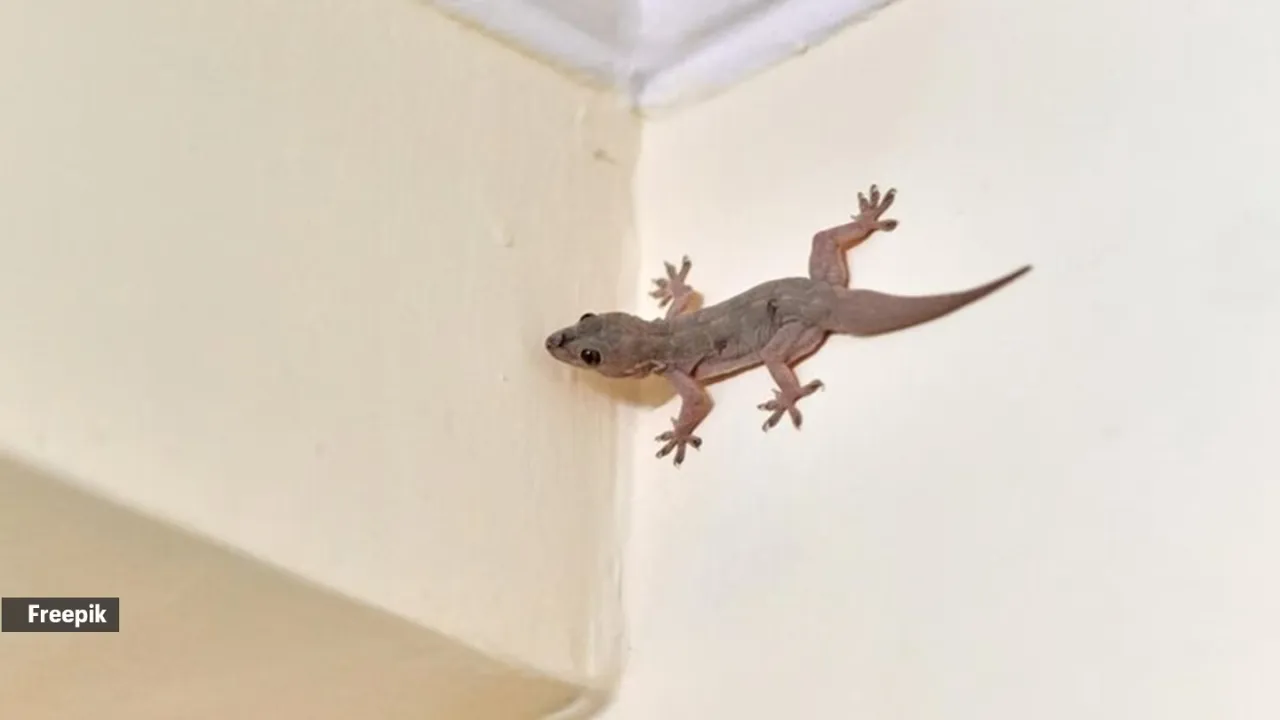
A bite from a small house or wall lizard (often called a gecko or house lizard) can be startling — but most of the time it’s not dangerous. Still, bites break the skin and can introduce bacteria, so quick, correct action matters. This guide tells you what to do right away, what to watch for, and when to see a doctor — using the most up-to-date medical guidance.
First response — immediate steps after a lizard bite
Stay calm and remove the lizard safely
If the lizard is still attached or in your clothes, gently move it away — don’t squeeze or try to pull it off violently. Small lizards are not venomous, so there’s no need to panic about poison. Focus on the wound.
Clean the wound thoroughly
Rinse the bite under running clean water for several minutes to wash out dirt and bacteria. Use mild soap and let the water run through the wound; this reduces infection risk. Avoid harsh tissue-damaging chemicals (strong alcohol, undiluted iodine, or hydrogen peroxide) for routine cleaning unless a clinician recommends them. After cleaning, pat dry with a sterile cloth and cover with a clean dressing if needed.
Stop bleeding and protect the area
If the wound is bleeding, apply gentle pressure with a clean cloth until it stops. Elevate the injured limb when possible. Once bleeding is controlled and the wound is clean, cover it with a sterile dressing to keep it protected from dirt and contaminants.
Why hygiene matters — bacteria and other risks from lizard bites
Even though most wall lizards are non-venomous, reptiles commonly carry bacteria — notably Salmonella — on their skin and in their droppings. A bite that breaks the skin can introduce bacteria that cause local infection or, less commonly, systemic illness. For this reason, good wound care and hand hygiene are essential after any reptile contact.
Watch for signs of infection — what to look for
Local signs (at the bite site)
Look for increasing redness, warmth, swelling, pus or drainage, rising pain, red streaks leading away from the wound, or swollen nearby lymph nodes. These are common signs that bacteria have taken hold and the wound needs medical attention.
Systemic signs
If you develop fever, chills, rapid heartbeat, dizziness, or severe weakness after a bite, seek immediate medical care — those may be signs of a spreading infection. Children, older adults, and people with weakened immune systems are at higher risk for complications.
When to see a doctor — sensible thresholds
- If the bite is deep, continues to bleed heavily, or involves the face, hands, feet, or joints, get medical care promptly.
- If wounds show signs of infection (listed above) within 24–72 hours, see a clinician.
- If you haven’t had a tetanus booster in the last 10 years (or 5 years for a dirty/deep wound), you may need a booster — seek medical advice within 48–72 hours.
- If you’re immunocompromised (diabetes, cancer treatment, transplant, etc.), contact a healthcare provider even for minor-appearing bites — they may treat more aggressively.
Will you need antibiotics after a lizard bite?
Routine antibiotics aren’t required for every small bite. However, doctors frequently prescribe antibiotics when a wound is deep, contaminated, located on the hands or face, or already shows infection. In bites from reptiles, clinicians consider coverage for Salmonella and typical skin bacteria when infection is suspected. A healthcare provider will decide based on wound appearance and your health history.
Tetanus and other vaccinations
Tetanus is a bacterial illness that can follow puncture wounds. Follow local vaccination guidance: adults generally need a tetanus booster every 10 years, and sooner (within 48–72 hours) if a wound is dirty and the last booster was over 5–10 years ago, depending on local protocols. Ask your clinician about tetanus status during evaluation.
Prevention — reduce the chance of bites and infections
- Avoid handling wild lizards or picking them up with bare hands. If you must handle a pet reptile, wash hands thoroughly afterward.
- Keep kitchens and eating areas free of reptiles and their droppings. Don’t let lizards roam around food prep areas.
- Teach children not to touch or chase lizards — kids are more likely to sustain bites and then touch their face or food.
Bottom line — stay calm, clean the wound, and be sensible
A bite from a common wall lizard is usually not poisonous, but it can introduce bacteria. The most important steps are quick, thorough cleaning, covering the wound, monitoring for infection, and getting medical care when wounds are deep, show infection, or the bitten person is at higher risk. Keep your tetanus status up to date and practice good hygiene around reptiles to prevent trouble in the first place.
Also Read: Google Once Planned a Censored Search Engine for China: Inside Project Dragonfly – Logic Matters