What is the “poop suitcase” that Vladimir Putin reportedly carries on foreign trips?
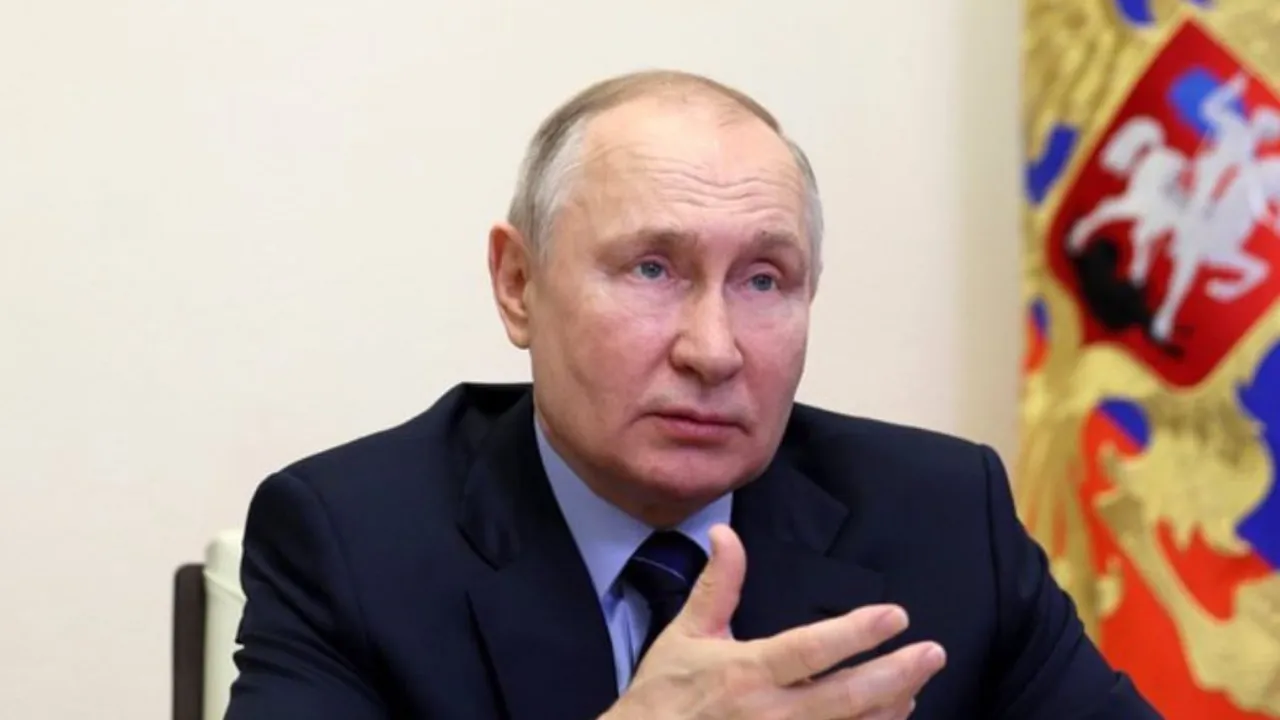
A strange phrase keeps popping up in headlines about Vladimir Putin: the “poop suitcase.” It sounds comedic, even absurd — but the story behind it ties into real concerns about intelligence, personal health secrecy, and the extreme lengths some states take to protect their leaders. Here’s a clear, source-backed look at what the claim means, where it came from, and how much of it is verified.
Where the story comes from — the journalists and the report
The modern wave of reporting on the “poop suitcase” traces back to investigative pieces in French media by journalists Regis Gente and Mikhail Rubin. Those accounts — first widely referenced in 2022 — claimed members of Russia’s Federal Protection Service (the agency responsible for protecting the president) collect Vladimir Putin’s biological waste when he travels abroad, bag it securely and carry it back to Russia. Major international outlets picked up the story then and it has resurfaced repeatedly since.
Why would Vladimir Putin’s team do this? — the intelligence and health angle
Human waste can reveal a lot. Modern laboratory analysis of stool or urine can show medication use, infections, metabolic disorders, even genetic markers. For a head of state, that kind of information can be sensitive: foreign intelligence services could, in theory, use biological data to assess health, fitness for office, or possible vulnerabilities.
Reporters and analysts say the “poop suitcase” protocol — if practiced — is a defensive measure to stop foreign agencies from obtaining biological samples that could be tested. The idea isn’t new: intelligence services historically have sought biological or personal items for analysis when stakes were high. Recent news coverage summarizing the practice explains the same motive: protecting state secrets that could be gleaned from the leader’s health data.
When and where was it reported to have happened?
Journalists and later news reports point to several occasions where such measures were allegedly observed or claimed:
- Accounts referenced Putin’s 2017 visit to France and other overseas trips as moments when personal waste was handled carefully by his security detail.
- The claim resurfaced in coverage tied to a high-profile meeting in Alaska in 2025, when multiple outlets noted that bodyguards were seen carrying a special suitcase and linked it to earlier Paris Match reporting.
Note: these media reports compile witness descriptions, investigative reporting, and secondary sources. They do not include an official, step-by-step public confirmation from Russian authorities describing a formal “poop suitcase” protocol.
What reputable reporting actually says — confirmed, unconfirmed, and sourced parts
There are three important distinctions to keep in mind:
- Origin and sourcing. The core claim comes from veteran journalists reporting in an outlet (Paris Match) and was summarized by other major publications. Business Insider and The Independent covered the initial reporting in 2022 and explained the sourcing.
- Motivation is plausible. Experts agree that biological samples can reveal medically relevant information. Coverage from health and mainstream outlets explains why such samples would interest intelligence agencies — which makes the motive plausible even if the exact logistics are not independently documented.
- Direct official confirmation is absent. There is no public, detailed confirmation from the Kremlin describing a standard operating procedure of collecting and flying back stool samples in a specific briefcase. Some Kremlin-related replies over the years have broadly dismissed rumors about Putin’s health, but they do not publicly validate or detail a “poop suitcase” protocol. Independent reporting therefore treats the story as reported but not formally documented by Russian authorities.
How credible is the claim?
The credibility rests on a mix of factors:
- Journalistic pedigree: The journalists who first reported the story are experienced Russia observers, and reputable outlets have repeated the claim while citing them.
- Historical precedent: Intelligence services have long sought physical traces (letters, discarded items) to learn about targets; biological sampling is not a bizarre intelligence concept.
- Lack of official transparency: Because details about close-protection protocols are naturally secret, an absolute public verification is unlikely. That makes independent corroboration hard and leaves some room for exaggeration or myth-making in media retellings.
In short: the story is plausible, repeatedly reported by multiple outlets, and plausibly motivated — but it sits in a zone where reportage outpaces official confirmation. Treat it as a widely circulated, likely rooted claim rather than an officially acknowledged fact.
What this tells us about Vladimir Putin and state secrecy
Whether or not every detail of the “poop suitcase” reports is perfectly accurate, the broader lesson is clear: authoritarian security cultures often place an unusually high premium on controlling personal data about leaders. Biological samples represent a modern frontier for espionage because they can reveal medication use, chronic conditions, or vulnerabilities that might be exploited politically or tactically.
For Vladimir Putin — a figure whose health and capabilities are frequently discussed and contested in public debate — measures to guard personal medical data would align with a pattern of tight information control. Media interest in the suitcase story partly reflects wider scrutiny of his health, leadership longevity, and how states hide or reveal sensitive leader information.
Bottom line: what readers should take away
- The “poop suitcase” story is not purely a joke or an internet hoax: it was reported by established journalists and picked up by mainstream outlets.
- The motive given (preventing foreign analysis of biological samples) is technically and historically plausible.
- There is no public, official Russian confirmation that lays out the protocol in detail; reporting fills that gap with testimony, investigative claims and context. Treat the narrative as reported and plausible, not as fully confirmed official policy.
Further reading and how to evaluate similar claims
When you see striking claims about leaders like Vladimir Putin, look for these signals:
- Where did the claim originate? (Who are the primary reporters or documents?)
- Do multiple reputable outlets repeat the same sourcing?
- Is there an official statement confirming or denying the detail?
- Are experts able to explain why the practice would (or would not) make sense?
The “poop suitcase” story passes some of these checks (sustained media coverage and plausible motive) but fails others (lack of public official confirmation). That mixed picture is common with sensitive protection protocols, which are designed to stay secret.
Also Read: Alia Bhatt Drops Unseen Pics From Raha’s Birthday! – Logic Matters