Vivek Oberoi: the chilling threat call he received during the shoot of Kurbaan
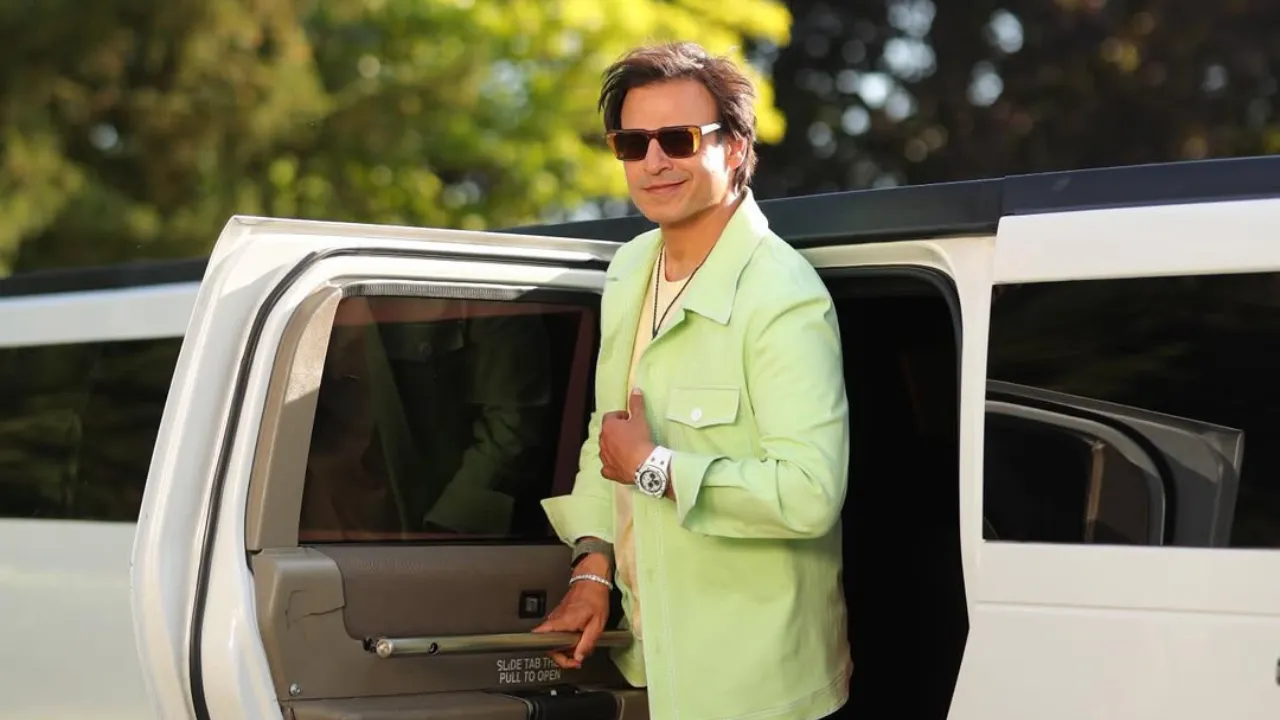
Vivek Oberoi recently reopened a painful chapter from his past — revealing that while filming the 2009 thriller Kurbaan, he received a menacing phone message that was later traced to Pakistan. The actor’s account, given during a promotional round for his upcoming film, paints a clear picture of how personal safety concerns followed artists even when they worked overseas. Here’s a clean, source-backed look at what happened, why it mattered, and what lessons it holds for performers and production teams today.
What Vivek Oberoi said — a short, stark account
Vivek Oberoi told reporters that while he was shooting Kurbaan in the United States, someone left a threatening message on his hotel answering machine. The message included lines such as “we know you are here, khatam kar denge, uda denge,” which translate to threats of killing or shooting him. The hotel alerted local police, who investigated and traced the call to a number originating in Pakistan, prompting further security measures. Vivek also said the threats extended to his family, which led him to seek protection back home.
Why he made the disclosure now
The revelation surfaced while Vivek Oberoi was promoting Mastiii 4 (which industry reports note is releasing November 21, 2025). He recounted the episode as part of a wider conversation about the pressures actors face during volatile periods in the industry. Multiple outlets covered the interview after it appeared in entertainment media.
Context: Kurbaan (2009) and the climate for actors then
Kurbaan was released in November 2009 and included a storyline touching terrorism and communal tensions. Vivek Oberoi played a supporting but significant role in a film produced by a major studio, and parts of the shoot took place abroad. At that time, Bollywood — like many film industries — had experienced episodes of underworld intimidation and targeted threats that affected casting, promotions, and personal safety decisions for artists. Vivek’s account fits into that historical pattern of outside pressures on public figures.
How authorities responded (and what Vivek did)
According to Vivek Oberoi’s recounting, hotel staff and local police in the U.S. took the call seriously. The number was traced and flagged as originating from Pakistan, which validated the threat’s seriousness in the eyes of investigators. Back in India, Vivek arranged police security for his family and took legal steps to document the incident. The involvement of law enforcement and formal reporting are important because they turned what could have been dismissed as a prank into a recorded, traceable case.
What this means for actors and crews today
Safety is a production responsibility
Vivek Oberoi’s experience underlines that on-location shoots — especially abroad — require robust security protocols. Producers and line producers should include risk assessments, emergency contacts, and hotel coordination in pre-production planning. When cast members are high-profile, a standard operating procedure for unusual calls or threats should be in place and communicated clearly.
Document everything
Reporting to local authorities and maintaining records (hotel logs, police FIRs, call logs) makes the difference between an unverified scare and a documented incident that can be investigated. Vivek’s choice to report the call, and authorities’ ability to trace the number, changed the nature of the incident from anecdotal to actionable.
Broader implications: personal, legal, and public
Vivek Oberoi’s revelation is not only a personal memoir; it’s a reminder of the tangible risks that public figures can face and of how those risks can ripple into family life, legal costs, and mental health. For audiences, the disclosure also demystifies why actors sometimes step back from promotion, change travel plans, or insist on tighter security — these are not theatrical choices but safety-driven decisions.
FAQ — quick answers readers care about
Q: When did this threat happen?
A: Vivek’s account places the incident during the Kurbaan shoot, which was in 2009. He disclosed the story publicly while promoting his new project in November 2025.
Q: Was the call verified?
A: According to the actor and reporting outlets, local police traced the number to Pakistan and flagged it, lending credence to the claim.
Q: Did it affect the film’s shoot?
A: Public reporting doesn’t indicate a shoot shutdown due to the call, but it did lead to immediate involvement of law enforcement and later security arrangements for Vivek and his family.
Final takeaways — practical lessons from Vivek Oberoi’s story
- Report, don’t ignore. Any threatening message during a shoot should be reported immediately to hotel management and local police. Vivek’s actions show why reporting matters.
- Production-level safeguards save people. Contracts and production plans should budget for security, especially for foreign shoots and sensitive subject matter.
- Public disclosures can help. When actors speak about threats responsibly, it raises awareness across the industry and can spur better protections for everyone involved. Vivek Oberoi’s transparency contributes to that conversation.
Also Read: Keerthy Suresh Slams AI-Morphed Images!