We Wanted Bangladesh to Play T20 WC, Assured Full Security: Rajeev Shukla
Introduction
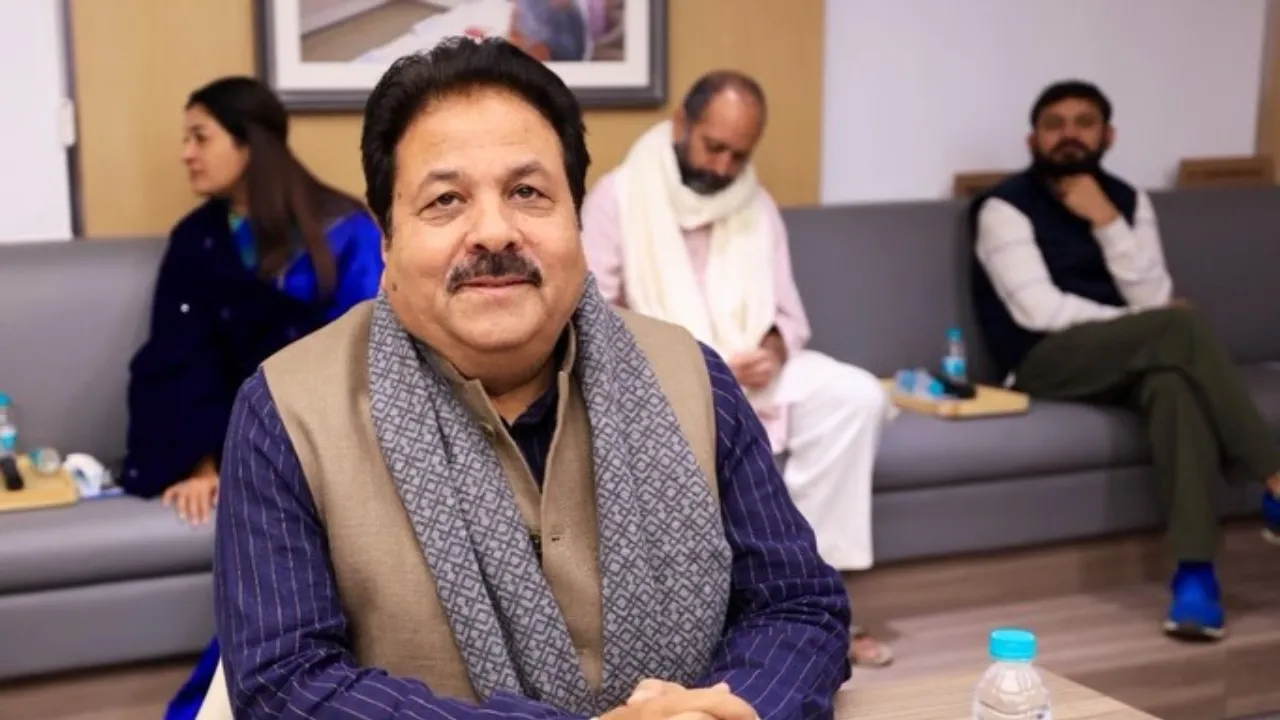
The 2026 ICC Men’s T20 World Cup has become one of the most talked‑about tournaments this year — not just for the on‑field action but for the off‑field controversies surrounding team participation. One of the biggest headlines recently has been about Bangladesh’s absence from the event, particularly in matches scheduled to be played in India. At the center of this discussion is Rajeev Shukla, the Board of Control for Cricket in India (BCCI) Vice‑President, who has publicly addressed the situation.
In this article, we’ll explore what happened, what Rajeev Shukla said, the broader context of the situation, and what it means for international cricket. This write‑up is crafted in a clear, reader‑friendly style that’s optimized for both engagement and SEO, focusing on the keyword Rajeev Shukla throughout.
What Led to Bangladesh Withdrawing from the T20 World Cup?
Bangladesh was originally scheduled to play several matches in India during the ICC Men’s T20 World Cup 2026. However, tensions between the two neighbouring countries, coupled with rising political sensitivities, led to a situation where Bangladesh ultimately decided not to send its squad for the matches in India. Bangladesh’s Cricket Board (BCB) sought to have its games moved to Sri Lanka, citing safety concerns and broader political issues, but the International Cricket Council (ICC) rejected this request, stating that it was not feasible to change the schedule at such a late stage.
With no agreement reached, the ICC replaced Bangladesh in the tournament with Scotland — the next‑highest ranked team that had missed out on qualification.
Rajeev Shukla’s Statement on Bangladesh’s Participation
We Wanted Bangladesh to Play
Rajeev Shukla, speaking on behalf of the BCCI, made it clear that India and the tournament organisers genuinely wanted Bangladesh to participate in the World Cup. He emphasised that full security had been offered to the Bangladesh cricket team to reassure them about any potential risks related to playing in India.
Shukla said, “We wanted Bangladesh to play and we also assured full security, but since they have made this decision, it is very difficult to change the entire schedule at the last moment.” This reflects the BCCI’s stance that all reasonable efforts were made to address concerns and still keep the tournament intact.
Assuring Full Security
A major part of Rajeev Shukla’s remarks focused on security assurances. The BCCI, along with Indian authorities and local organisers, put forward detailed plans to ensure the safety of visiting teams, including Bangladesh. This assurance was designed to provide confidence not only to the players and coaching staff but also to journalists and officials involved.
Despite these efforts, Bangladesh maintained its decision, leading to the unavoidable change in the tournament lineup.
The Role of Pakistan in the Controversy
In his comments, Rajeev Shukla did more than just explain the situation — he also pointed fingers at external influences. Shukla alleged that Pakistan was trying to mislead Bangladesh by encouraging their stance against playing in India. He described this as unwarranted intervention in what should have been a straightforward matter of cricket participation.
Shukla’s remarks reflect deeper geopolitical tensions that sometimes spill over into sport, especially in South Asia. While these claims are controversial, they signal how sensitive the situation has become and how much political context plays into sporting decisions at the highest levels.
What the ICC Said About Security
It’s worth noting that the International Cricket Council (ICC) itself has maintained that independent security assessments did not find any credible or serious threat to Bangladesh’s safety if they played in India. According to ICC sources, the risk level for the tournament venues was assessed as low to moderate by internationally recognised security experts.
The ICC also made it clear that altering fixtures at short notice would set a complicated precedent and could affect the integrity of future events.
Bangladesh’s Government and Security Concerns
While the BCCI and ICC emphasised safety assurances, officials in Bangladesh took a firmer stance. Bangladesh’s government and cricket board repeatedly highlighted what they described as real and genuine security risks preventing their participation in India. They requested that their matches be moved to Sri Lanka, arguing that ensuring security for players, journalists, and fans would be difficult in the current climate.
BCB officials later clarified that while the board wanted to participate, it was following the government’s directive, making it clear that official clearance from Dhaka was essential for travel decisions.
Scotland’s Late Entry and the Tournament Lineup
With Bangladesh out, Scotland has stepped in as a replacement team, joining Group C alongside teams such as England, West Indies, Nepal, and Italy. This change has stirred reactions across the cricketing world — some viewing it as a missed opportunity for Bangladesh, while others see it as a chance for Scotland to shine on the global stage.
What This Means for International Cricket
The unfolding scenario around the 2026 T20 World Cup highlights several broader themes in international sport:
- Political influences and sport intersect more frequently than many fans might realise.
- Security perceptions, whether real or perceived, can have major impacts on participation.
- Global events must balance logistical feasibility with fairness and safety.
For players, fans, and administrators alike, this episode — and Rajeev Shukla’s comments — will remain part of the ongoing discussion about how global cricket navigates sensitive political landscapes.
Conclusion
In summary, Rajeev Shukla and the BCCI made it clear that they wanted Bangladesh to take part in the T20 World Cup, offering full security assurances to address any fears. However, with differing views on safety and a refusal to play matches in India, Bangladesh’s exit from the tournament became unavoidable, leading to Scotland’s entry as a replacement.
Also Read: Anjali Arora’s Boyfriend Arrested Over Fake MP Tag! – Logic Matters