“I don’t support such views”: Sydney Sweeney speaks on the American Eagle row
Sydney Sweeney responds — what happened and why it matters
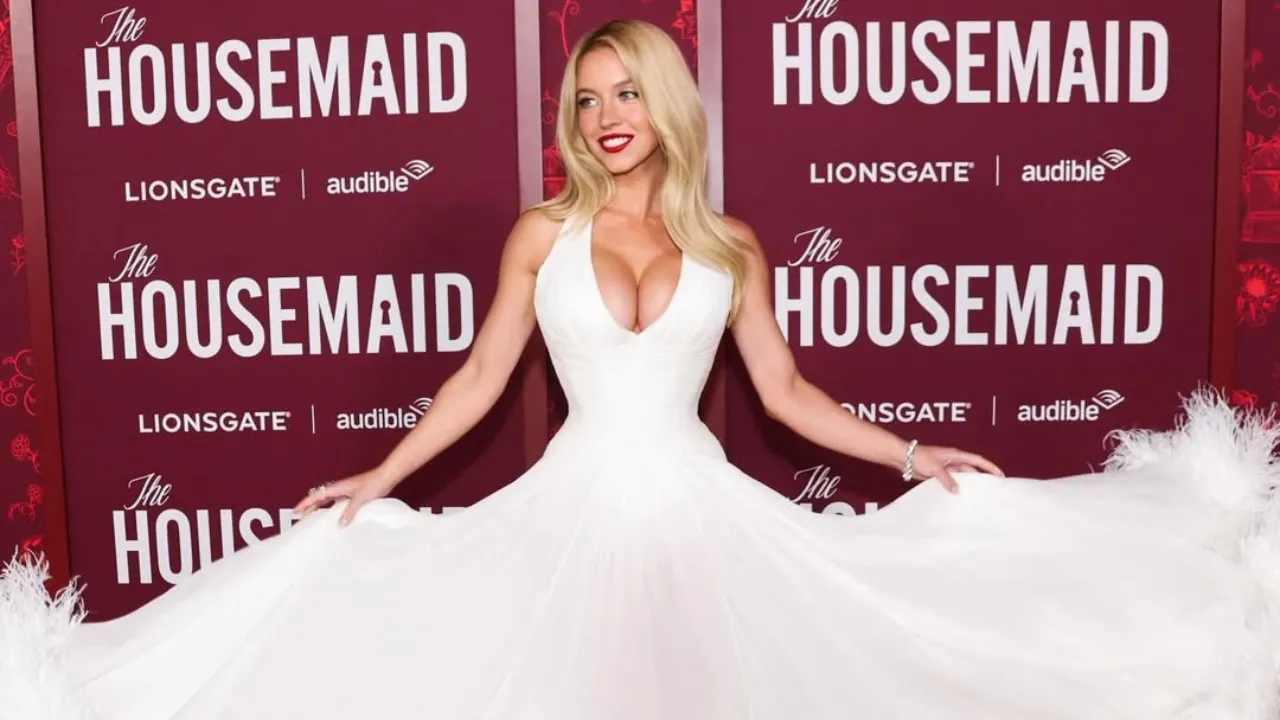
Sydney Sweeney has finally addressed the backlash around her recent American Eagle campaign, saying she “doesn’t support the views some people chose to connect to the campaign” and that she is “against hate and divisiveness.” Her comments, given in an interview with People, come after weeks of debate about whether the ad’s tagline was an innocent pun about jeans — or an ill-judged double meaning that some critics linked to ideas about “genes” and racial superiority.
The episode matters because it shows how quickly a brand message or a celebrity endorsement can be reframed online. For Sydney Sweeney — an actor whose public image blends mainstream appeal and indie credibility — the reaction demonstrates the high stakes of modern marketing: even simple copy can trigger intense cultural conversations that affect reputations, box office attention, and brand relationships.
How Sydney Sweeney framed her response
“I don’t support the views some people chose to connect to the campaign” — the full context
Sweeney told People she was surprised by the negative reaction and stressed that her intent was to support a brand she likes. She said people had “assigned motives and labels to me that just aren’t true” and emphasized she “leads with kindness.” That statement reads as a clear attempt to distance herself from the most extreme readings of the ad while also acknowledging the emotional toll of the controversy.
Why that wording matters for celebrities
The phrasing Sweeney used — denying alignment with particular views while not diving into a long, defensive rebuttal — follows a common PR pattern: acknowledge, distance, and reaffirm values. For many public figures this is effective because it addresses concern without escalating the conversation. But critics argue such responses can feel vague if they don’t directly name and reject a specific harmful ideology. Coverage of Sweeney’s comments shows the split: some outlets praised her for speaking up against hate, while others and portions of the public wanted a firmer, more explicit repudiation.
Timeline in brief: campaign → backlash → response
The American Eagle campaign featuring Sydney Sweeney ran earlier in 2025 and quickly drew attention because of its catchy tagline. Social media debate intensified when critics argued the line could be misread as playing on “genes,” and the conversation became a viral cultural flashpoint.
Over subsequent weeks, the discussion widened — drawing responses from public figures on both sides and producing headlines that framed the dispute as part of larger culture-war battles. Sweeney stayed relatively quiet at first; her more recent comments indicate regret that silence may have amplified division.
What brands and celebrities can learn from the Sydney Sweeney–American Eagle episode
Be precise about messaging before launch
Copy that relies on wordplay can be charming — but it can also be ambiguous. Brands should run sensitive messaging through diverse review panels and rapid focus-testing to spot interpretations that might be missed in a single creative room.
Anticipate cultural readings and have a response plan
A contingency plan that outlines who will speak, what values will be reiterated, and how to address misinterpretation helps prevent silence from being read as indifference. Sydney Sweeney’s later admission that silence widened the divide highlights the cost of delaying a values-based response.
Prioritize clarity and concrete repudiation of harm
When accusations involve hate or racism, critics often expect a clear statement that explicitly rejects those ideologies, not only generalized “I don’t support hate” language. That level of specificity can reassure stakeholders and the public.
The public reaction — polarized and amplified
Responses to Sydney Sweeney’s clarification were mixed. Some commentators and outlets accepted her explanation and emphasized her stated intent to unite rather than divide. Others remained skeptical, arguing the initial campaign should have been better considered given the historical sensitivity around language about genetics and identity.
The debate quickly crossed entertainment pages into political commentary, with conservative voices and some public figures framing backlash as censorship — while more critical voices called for accountability and clearer repudiations from both talent and brand. That cascade of reactions shows how a single ad can turn into a proxy for larger political fights.
How to read headlines like this — a short guide for readers
If you’re following controversies like the American Eagle row involving Sydney Sweeney, here are three quick tips to keep coverage useful and fair:
- Look for primary quotes: read the actual interview or statement rather than relying on headlines.
- Check multiple reputable outlets: reputable reporting often adds context about timeline and the company’s official position.
- Distinguish intent from impact: an artist’s intent (what they meant) and impact (what audiences experienced) are both real and need separate attention.
People who follow entertainment news often conflate controversy with guilt. A clear-eyed read helps separate marketing misstep from intentional endorsement of harmful beliefs.
Final take: where Sydney Sweeney’s statement leaves us
Sydney Sweeney’s message — that she does not support the views some attached to the ad and that she is “against hate” — is a step toward damage control and reconciliation. It may reassure many fans. Yet the episode will remain a case study in modern reputation risk: small creative choices can ignite big debates.
For readers, the episode is a reminder that cultural context matters and that brands and talent share responsibility for anticipating how words and visuals will land. For public figures, Sweeney’s experience underscores the importance of timely clarity and the limits of silence.
If you follow Sydney Sweeney or the brand, watch how both respond next: are there concrete changes in messaging, clearer guidelines for future campaigns, or community outreach? Those next steps will tell us whether this was a transient controversy or a turning point in how celebrities and brands communicate in a polarized landscape.
Also Read: Dileep Walks Free, Points Finger at Manju Warrier – Logic Matters