What Is the Controversy Over Sunidhi Chauhan’s 20-Year-Old ‘Beedi Jalaile’ Song?
Introduction: Sunidhi Chauhan and ‘Beedi Jalaile’
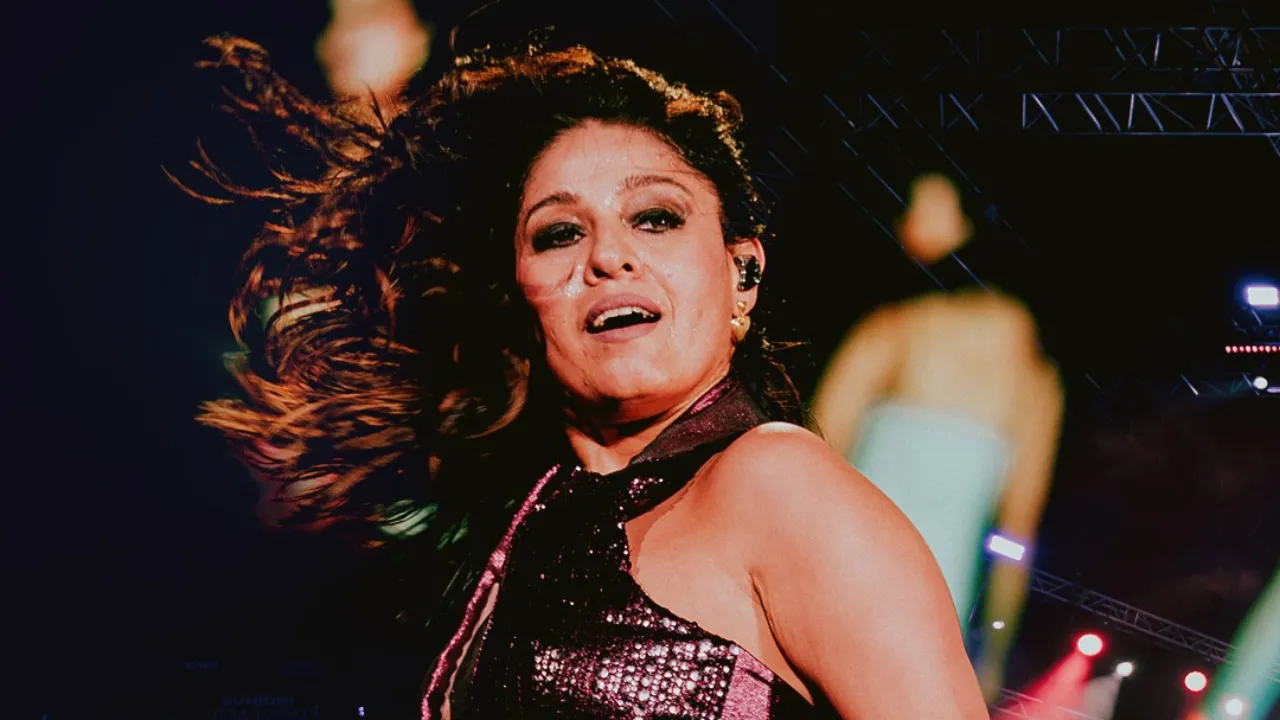
Sunidhi Chauhan is one of India’s most celebrated playback singers, known for her powerful voice and chart-topping Bollywood hits. Over her long career, she has sung hundreds of songs across genres, from romantic ballads to energetic dance numbers. One of her most iconic tracks is the 2006 song “Beedi Jalaile” from the Bollywood film Omkara, which remains popular even after nearly two decades.
However, recently this classic track has become embroiled in controversy. What started as a routine advisory ahead of a live concert has sparked public discussion about the song’s appropriateness, especially around children. This article breaks down what’s happening and why the debate matters.
Why Is ‘Beedi Jalaile’ in the News Again?
Goa Concert Advisory Sparks Debate
In January 2026, ahead of “The Ultimate Sunidhi Live Concert” scheduled in Goa on January 25, 2026, local child protection authorities in South Goa issued an advisory to the event organizers. They recommended that songs perceived to promote tobacco or alcohol use not be performed during the show, as children aged five and above were allowed entry.
The advisory specifically mentioned “Beedi Jalaile” and another song “Sharabi”, asking that they be excluded from the performance lineup. The concern was that these songs may normalise or glorify tobacco and alcohol use, potentially having a negative influence on young minds. The directive stated that decisions affecting children should prioritise their physical, emotional, moral and psychological well-being, citing the Juvenile Justice (Care and Protection of Children) Act, 2015.
This advisory immediately drew attention because it involved a well-known singer performing a beloved song that had not been controversial for years — until now.
Understanding the Content of the Song
What Is ‘Beedi Jalaile’?
“Beedi Jalaile” is a high-energy item number from the critically acclaimed film Omkara (2006). Composed by Vishal Bhardwaj, written by Gulzar, and performed by Sunidhi Chauhan alongside Sukhwinder Singh, the track became one of the biggest dance hits of its time.
The song’s lyrics use metaphor and imagery, with phrases about lighting a “beedi” (a traditional Indian hand-rolled cigarette) and playful, rustic scenes. While originally appreciated for its rhythm and entertainment value, critics argue the imagery could be interpreted as glorifying smoking or using tobacco products when performed live in front of children.
Who Raised the Complaint?
A Chandigarh-based professor, Dr. Pandit Rao Dharnevar, filed a formal complaint ahead of the concert, pointing to the potential harmful impact of lyrics that appear to celebrate tobacco use. He urged the Goa Child Commission to step in and protect children, who were expected to attend the concert.
Responding to the complaint, the South Goa District Child Protection Unit issued the advisory to organizers, emphasizing caution and child safety.
What Do Supporters of the Song Say?
Cultural Context Matters
Many fans and commentators believe the concern is overblown for several reasons:
- Metaphorical Lyrics: The song’s lyrical references aren’t literal endorsements of smoking but artistic metaphors suited for a cinematic context.
- Popularity and Legacy: For years, “Beedi Jalaile” has been enjoyed at parties and public events without similar issues, highlighting its long-standing acceptance.
- Broad Cultural Appreciation: Bollywood songs often use playful imagery and wordplay; critics argue that in context, the song doesn’t promote harmful behaviour.
No official ban has been placed on the song itself, and organizers may still choose how to structure their performance.
Has Sunidhi Chauhan Responded?
As of the latest updates, Sunidhi Chauhan has not released a public statement directly addressing the controversy around the advisory. The news has largely been reported through media outlets covering the Goa advisory and the professor’s complaint.
Given how quickly the story gained traction, a response from the singer or her team may follow once more public attention builds.
Broader Discussion: Art, Responsibility, and Public Events
The debate over “Beedi Jalaile” raises larger questions about how artistic content intersects with public responsibility, especially at family-friendly events:
Artistic Freedom vs Audience Sensitivity
Artists often perform songs created years earlier in very different cultural contexts. A song that was popular and accepted decades ago may be seen differently today, especially regarding public health awareness.
Child Protection Laws
In India, child protection laws emphasise the best interest of the child when minors are part of public settings. Authorities are increasingly cautious about content that could influence young audiences, particularly regarding smoking and alcohol.
Perception and Social Norms
Social perceptions evolve. What was once considered normal or entertaining can come under scrutiny as awareness grows about public health and role-model effect on children.
These discussions are not limited to India — debates about age-appropriate content occur worldwide, especially with music festivals, concerts, and family events featuring diverse audiences.
Conclusion: A Song, a Concert, and a Conversation
The controversy over Sunidhi Chauhan’s 20-year-old song “Beedi Jalaile” is not about cancelling music but rather about how cultural content aligns with modern expectations around health and children’s exposure.
Authorities in Goa issued a preventive advisory, urging the event to avoid songs that may be seen as glorifying tobacco and alcohol when children are in attendance. The discussion highlights the balancing act between artistic legacy and social responsibility, especially at public concerts.
At the heart of the debate is a timeless question: How should art evolve with societal norms — and who decides what is appropriate? As this situation unfolds, it may prompt wider reflection on how we engage with beloved classics in changing times.
Also Read: Randeep Hooda’s Transformation Pics Go Viral! – Logic Matters