Simple Yoga Practice to Reduce Stress and Improve Sleep
Stress and poor sleep are two of the most common health concerns people face today. Long work hours, digital overload, and constant pressures can leave both the mind and body restless. Fortunately, Yoga offers a practical, natural approach to calm your nervous system, reduce stress, and improve the quality of your sleep. This article will guide you through simple Yoga practices that are easy to follow and effective for beginners and experienced practitioners alike.
What is Yoga and How Does It Help Stress?
Yoga is an ancient practice that blends physical postures, breathing techniques, and mindfulness. It promotes relaxation by activating the parasympathetic nervous system—often referred to as the “rest and digest” state. When this system is engaged, stress hormones like cortisol decrease, muscle tension eases, and the heart rate slows down. Over time, regular Yoga practice can help you build resilience to daily stressors.
Scientific studies have shown that Yoga can significantly reduce perceived stress and anxiety, while also improving sleep quality. Research suggests that even a short daily practice can lead to better mental clarity, emotional balance, and relaxed sleep patterns.
Preparing for Your Yoga Practice
Before you begin, choose a quiet and comfortable space. Use a non-slip Yoga mat and wear loose, breathable clothing. Aim to practice at least 30 minutes before bedtime if your goal is better sleep. This helps signal to your body that it is time to wind down.
Setting the Intention
Start by setting an intention. Your intention could be as simple as “I want to feel calm” or “I am open to restful sleep.” Setting intentions helps anchor your mind and makes your practice more focused.
Breathing: The Foundation of Yoga
Breathing is central to Yoga. Deep, controlled breaths have a calming effect on the nervous system. Before you begin any pose, spend a minute or two with gentle breathing.
Simple Breathing Technique
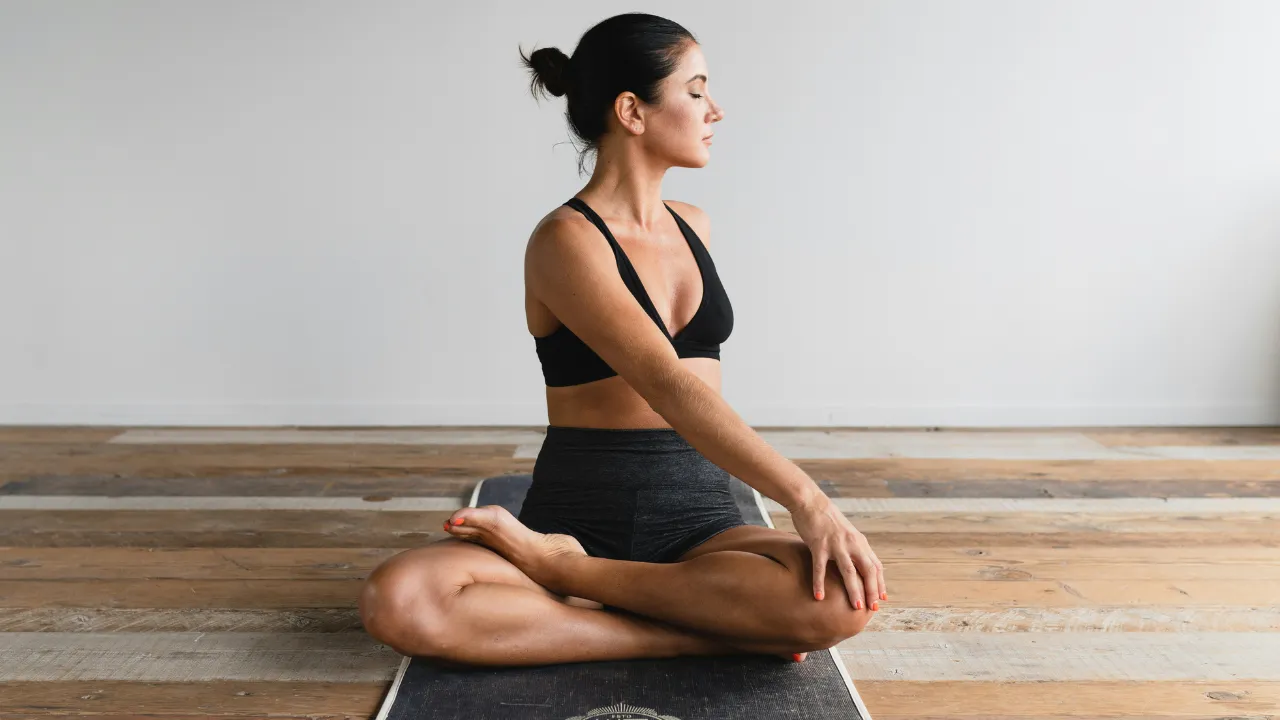
• Sit comfortably with your spine straight.
• Close your eyes and inhale deeply through your nose for a count of four.
• Hold your breath gently for a count of two.
• Exhale slowly through your nose for a count of six.
Repeat this cycle five to ten times. This breathing pattern helps reduce stress and prepares your body for deeper relaxation.
Gentle Yoga Poses to Reduce Stress
The following Yoga poses are specifically chosen for their calming benefits. You do not need to be flexible to do them. Move slowly and listen to your body.
Child’s Pose (Balasana)
Child’s Pose is a deeply relaxing posture that gently stretches the lower back and hips. It helps calm the mind and relieve stress.
• Kneel on your mat and sit back on your heels.
• Fold forward, stretching your arms in front of you.
• Rest your forehead on the mat.
• Breathe deeply and hold for 1–2 minutes.
This pose encourages inward focus and helps release tension from the lower back and shoulders.
Cat-Cow Stretch (Marjaryasana-Bitilasana)
Cat-Cow is a flowing sequence that warms up the spine and relieves tension.
• Start on hands and knees in a tabletop position.
• Inhale as you drop your belly and lift your head (Cow).
• Exhale as you round your spine and tuck your chin (Cat).
• Repeat this flow 8–10 times.
This sequence promotes mindful movement and helps release physical and mental stress.
Legs Up the Wall (Viparita Karani)
Legs Up the Wall is a restorative pose ideal for relaxation and improved sleep.
• Sit next to a wall and swing your legs up onto it.
• Lay your back flat on the floor with your legs straight up.
• Let your arms rest comfortably at your sides.
• Breathe deeply and hold for 3–5 minutes.
This pose encourages blood flow back to the heart and calms the nervous system. It can be especially soothing before bedtime.
Reclining Bound Angle Pose (Supta Baddha Konasana)
This pose opens the hips and promotes deep relaxation.
• Lie on your back.
• Bring the soles of your feet together and let your knees fall apart.
• Place your arms at your sides with palms facing up.
• Breathe deeply and relax for 2–3 minutes.
Use pillows under your knees if you feel any discomfort.
Mindfulness and Meditation: Yoga for the Mind
Yoga is not just about physical postures. Mindfulness and meditation play a crucial role in reducing stress and improving sleep. A short guided meditation at the end of your Yoga session can amplify the calming effects.
Simple Meditation Practice
• Lie down in Savasana (Corpse Pose) or sit comfortably.
• Close your eyes and focus on your natural breath.
• Notice the rise and fall of your chest.
• If your mind wanders, gently bring your attention back to your breath.
• Continue for 5–10 minutes.
This meditation quiets the mind and signals to the brain that it is time to rest.
How Yoga Improves Sleep
Regular Yoga reduces physical tension and mental chatter—two major barriers to quality sleep. When the nervous system is calmer, you fall asleep faster and experience deeper, more restorative sleep. Yoga also helps regulate breathing patterns and lowers heart rate, both of which are essential for good sleep.
Studies have shown that people who practice Yoga regularly report less insomnia and better sleep satisfaction. Even short daily sessions can make a meaningful difference in sleep quality.
Tips for Making Yoga a Habit
Consistency is key. Here are simple ways to make Yoga a sustainable part of your daily routine:
Start Small
Begin with just 10–15 minutes daily. Short sessions are easier to maintain and still offer real benefits.
Create a Dedicated Space
Set up a small corner for your Yoga practice. It doesn’t have to be large, just peaceful and free of distractions.
Practice at the Same Time
Doing Yoga at the same time each day helps build a routine. If your goal is better sleep, practice in the evening or before bedtime.
Use Guided Resources
If you find it difficult to practice alone, use gentle guided Yoga videos or apps. These can keep you motivated and help you learn proper alignment.
Common Mistakes to Avoid
To get the most out of your Yoga practice, watch out for these common mistakes:
Forcing Your Body
Avoid pushing beyond your limits. Yoga is about ease and awareness, not intensity. If a pose feels painful, ease out and modify.
Skipping the Breath
Breathing is the heart of Yoga. Do not rush through movements without mindful breathing. Breath awareness enhances both relaxation and effectiveness.
Practicing Too Close to Meals
Try to avoid Yoga right after eating a heavy meal. A gentle practice on a light stomach is more comfortable and effective.
Yoga Beyond Stress and Sleep
While this article focuses on stress reduction and sleep improvement, Yoga offers many additional benefits. With regular practice, you may also experience improved flexibility, better posture, increased body awareness, and enhanced emotional balance. Yoga supports overall well-being and can be adapted to meet your unique needs.
Conclusion
Yoga is a powerful, accessible tool for managing stress and improving sleep. With simple postures, mindful breathing, and a consistent routine, you can create a calming evening practice that supports both body and mind. Whether you are new to Yoga or revisiting an old practice, these techniques are gentle, effective, and grounded in well-established principles.
Begin today with even a few minutes of mindful breathing and gentle poses. Over time, you may notice not only deeper sleep but a greater sense of peace throughout your day. Yoga is more than exercise; it is a path to balance, resilience, and restorative rest.
Also Read: Mammootty, Alka Yagnik Get Padma Shri! – Logic Matters