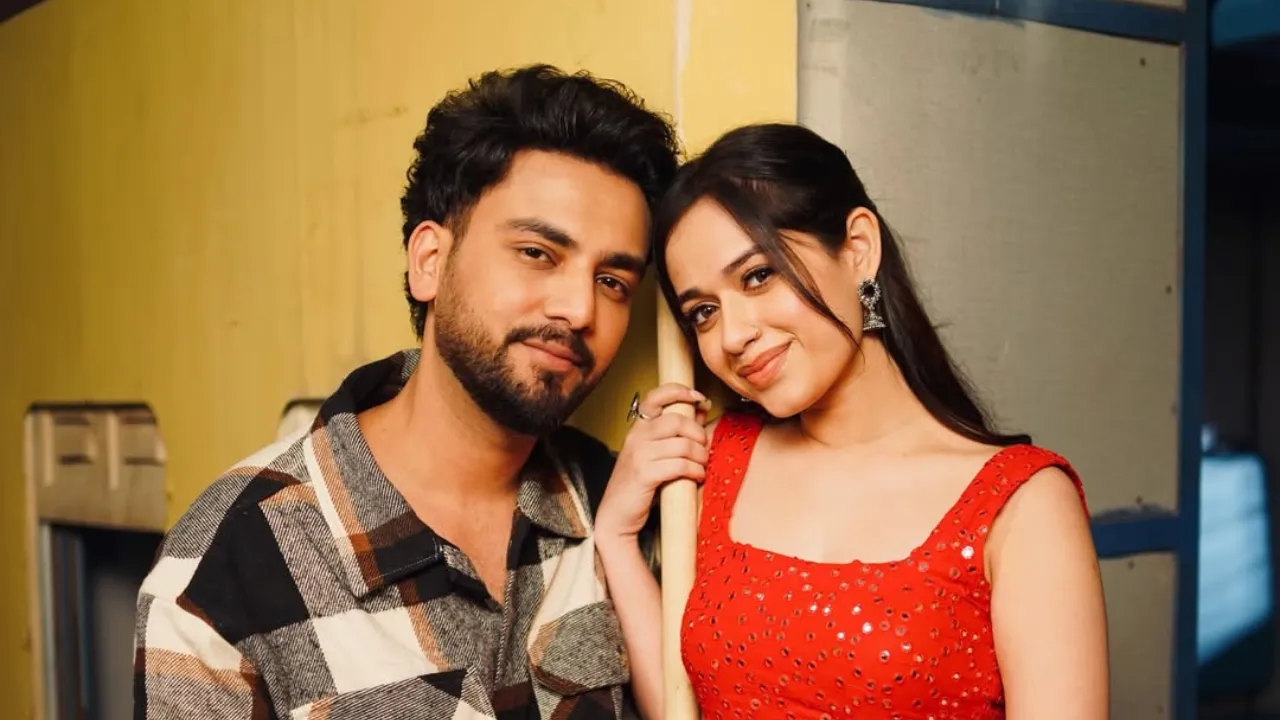
Rimjhim Faces Backlash Over Intimate Scene Featuring Yashika Sharma
The television serial Rimjhim – Choti Umar Bada Safar has come under intense scrutiny after a recent episode showed Yashika Sharma, the 16-year-old lead actress, in an intimate scene with her adult co-star. The episode has sparked widespread criticism on social media, raising concerns about age-appropriate content, ethical storytelling, and the responsibilities of television producers when working with minors.
The controversy has quickly gained traction on platforms like Twitter, Instagram, and Reddit, with viewers expressing shock and disappointment over the portrayal of a minor in romantic and intimate situations. This incident has also ignited discussions on how Indian television handles the depiction of young actors in sensitive scenes.
Who Is Yashika Sharma?
The Young Talent at the Center of the Controversy
Yashika Sharma is a teenage television actress who plays the titular role in Rimjhim – Choti Umar Bada Safar, a popular drama airing on Dangal TV. The show revolves around the life of Rimjhim, a young girl navigating family challenges, personal growth, and her journey toward independence.
Yashika has been praised for her acting skills and screen presence, and she has developed a strong fan base among viewers who follow her career closely. Her portrayal of Rimjhim has been widely appreciated, making her one of the rising stars in Indian television.
However, recent episodes have shifted the spotlight from her talent to the ethical and social implications of her on-screen portrayal alongside an adult co-actor.
The Controversial Scene
What Happened in the Episode
The controversy centers on a scene in which Yashika Sharma, who is 16, shares an intimate moment with her co-star Himanshu Awasthy, who is reportedly 24 years old. In the scene, Himanshu removes his shirt and uses it to cover Rimjhim when her blouse becomes loose, followed by a close embrace between the two characters.
Additionally, the episode includes sequences that place the actors in a bed-like setting, which many viewers interpreted as romantic. Clips from the scene quickly went viral, prompting widespread debate about the appropriateness of showing a minor in such situations on television.
The episode aired on January 28, 2026, and within hours, online discussions began highlighting the perceived ethical issues of involving a minor in intimate scenes with an adult.
Public Reaction and Criticism
Online Backlash
Once clips of the episode circulated, social media users reacted strongly. Many criticized the show for casting a minor in a role that required intimate interaction with an adult co-star. Viewers expressed discomfort over the portrayal and questioned the judgment of the creative team behind the series.
On Reddit and Twitter, users called for the protection of child actors and raised concerns about the ethical implications of such scenes. Some comments highlighted that the show might inadvertently normalize inappropriate situations involving minors, which fueled further outrage.
Many users urged regulators, parents, and the channel to intervene and ensure that content involving minors is handled responsibly.
Child Protection Concerns
A significant part of the criticism focused on child protection. Indian laws, including the Protection of Children from Sexual Offences (POCSO) Act, emphasize safeguarding minors from sexual exploitation. While television content is fictional, many viewers believe that producers have a moral responsibility to avoid placing young actors in suggestive or intimate scenes.
Parents and child-rights advocates argue that even well-intentioned storytelling must prioritize the safety and psychological well-being of minors in front of the camera.
Ethical Debate in the Television Industry
Creative Freedom vs. Responsibility
This incident has triggered a wider conversation about balancing creative freedom with ethical responsibility. While drama often explores complex human relationships, critics argue that involving minors in intimate scenes crosses a line.
Producers and directors are expected to create age-appropriate content, particularly when working with teenage actors. Casting older actors to play roles requiring romantic interactions is one way to avoid ethical complications.
Industry Practices and Standards
Indian television has faced similar controversies in the past. Shows like Pehredaar Piya Ki were taken off air after public outrage over the portrayal of a minor in a marriage storyline. These precedents demonstrate that audiences are increasingly sensitive to how young actors are represented on screen.
While there are no strict legal restrictions for fictional portrayals of minors, public opinion often serves as a guiding force for content creators to reconsider their approach.
Supportive Voices
Context Matters
Not all reactions have been negative. A minority of viewers argue that storytelling sometimes requires depicting complex relationships and that scenes may be misinterpreted when taken out of context. Supporters suggest that the creative team may have intended the scene to convey emotional depth rather than romantic or sexual content.
However, this perspective has been overshadowed by concerns about age-appropriateness and the responsibilities of broadcasters and producers.
Impact on Yashika Sharma
Public Image and Career
Being at the center of such controversy at a young age can have complex effects on Yashika Sharma’s public image. While she continues to receive praise for her performance, the focus has shifted from her talent to the ethical debate surrounding her role.
Her fan base remains supportive, but the broader discussion could influence future casting decisions and the way her character is portrayed in upcoming episodes.
Future of Rimjhim
The show’s producers and Dangal TV have not issued any official statements addressing the controversy. Whether this backlash will lead to edits in future episodes or changes in storyline and casting remains to be seen.
The situation serves as a reminder to content creators about the potential consequences of public scrutiny, particularly when minors are involved in sensitive storylines.
Wider Implications
Cultural Sensitivity and Audience Awareness
The controversy surrounding Yashika Sharma highlights evolving public expectations regarding television content. Audiences are more aware of the ethical dimensions of depicting minors in intimate scenarios and are willing to voice concerns when boundaries appear to be crossed.
Media Responsibility
For the television industry, this incident underscores the importance of responsible content creation. Producers must carefully consider how young actors are depicted and ensure that storytelling does not compromise their safety or well-being.
Conclusion
The backlash over Yashika Sharma’s intimate scene in Rimjhim – Choti Umar Bada Safar is a significant moment for Indian television. It brings attention to the delicate balance between storytelling, creative freedom, and ethical responsibility when working with minors.
While Yashika Sharma remains a talented young actress with a growing fan base, the controversy highlights the need for age-appropriate casting and careful depiction of sensitive content. As discussions continue online, the industry may reassess how young actors are portrayed, potentially shaping new standards for ethical storytelling on Indian television.
This incident serves as a reminder that while television aims to entertain, it also carries the responsibility of safeguarding its youngest performers.
Also Read: Arijit Singh to Contest WB Elections? – Logic Matters