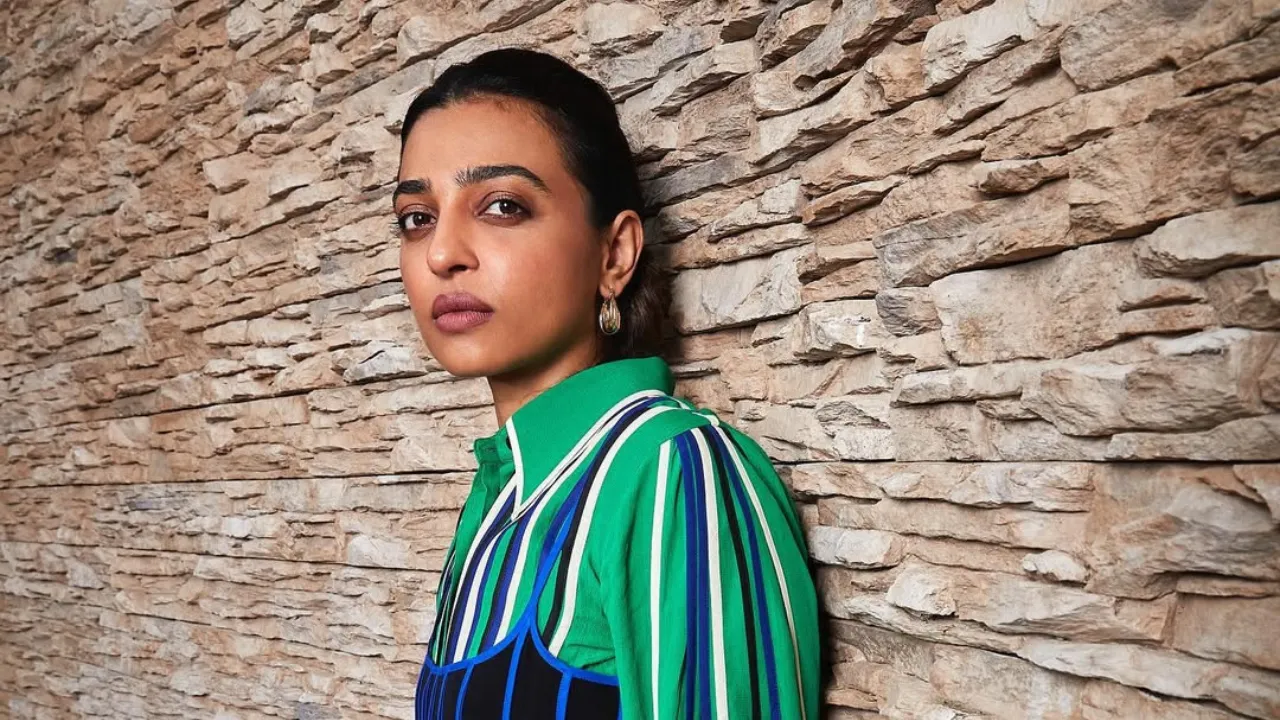
Radhika Apte: “The awful producers didn’t put me up, didn’t pay me” — her traumatic film debut and the road since
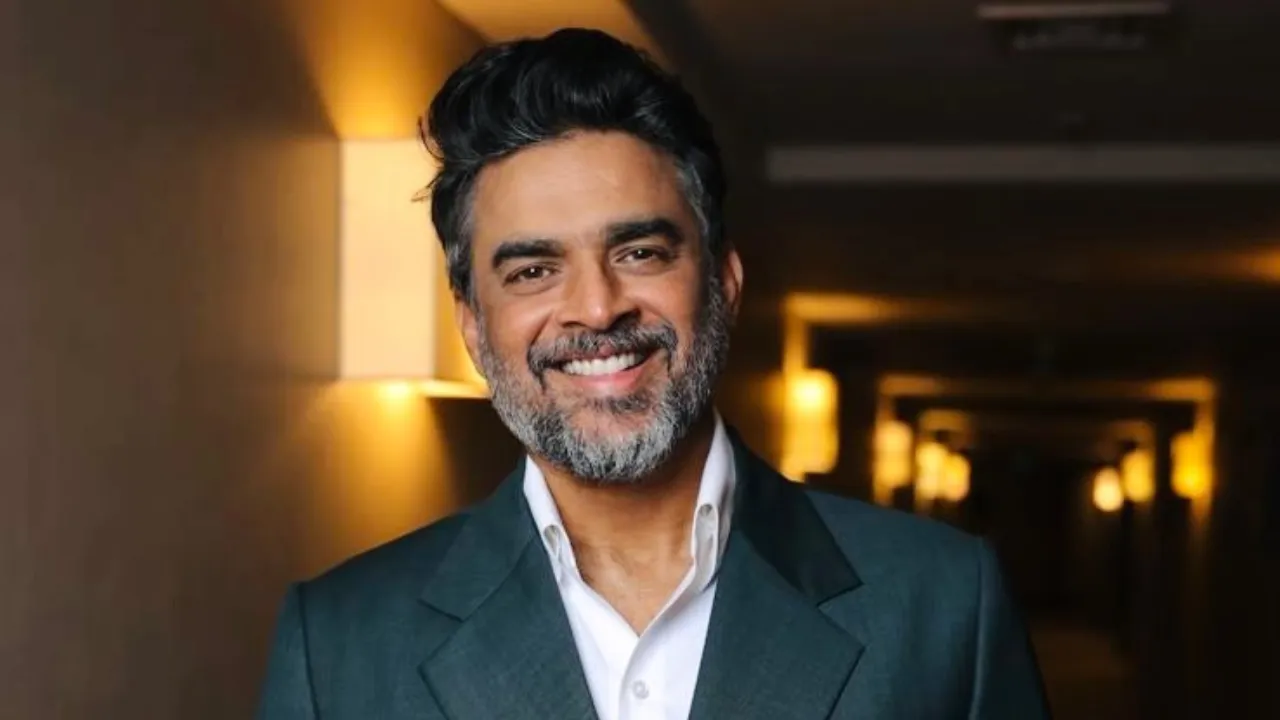
Radhika Apte has become one of India’s most respected actors — known for bold choices, electric screen presence, and a steady shift between mainstream and independent cinema. But her journey wasn’t smooth. In a candid reflection about her first film, she described a start that was far from glamorous: ignored, unpaid and badly treated by production. That early experience shaped how she navigated an industry that often undervalues newcomers.
Radhika Apte’s first role: a debut she’d rather forget
Radhika’s big-screen debut came with Mahesh Manjrekar’s Vaah! Life Ho Toh Aisi! (2005), where she played a small supporting role. Though it was her introduction to cinema, she has repeatedly called the production experience “awful” — producers didn’t provide accommodation, didn’t pay her, and treated her and her family dismissively when they asked for a contract. Those recollections emphasize how hostile entry points into film can be, even for talented actors.
How being undervalued early shaped her choices
Radhika has said that early exploitation — being asked to work for free or being poorly compensated — left a mark. She’s spoken about being asked to act without pay on one project and later realising child artists were being paid while she was not. That experience fed a cautious, pragmatic approach: she didn’t become desperate for any role and preferred projects where her time and talent were respected.
From exploitation to a principled performer: the arc of Radhika Apte’s career
What makes Radhika’s story compelling is the contrast. From small, shaky beginnings she built a career on theatre training, diverse regional films, and smart OTT choices. Her move into offbeat and performance-driven projects — Shor in the City, Parched, Sacred Games, Andhadhun and a string of high-quality web projects — proves her approach: choose craft over comfort. Interviews in recent years show she’s unafraid to call out industry problems, from late payments and pay disparity to unsafe working hours.
Why those early setbacks matter today
Radhika’s frankness on being mistreated is not just personal catharsis. It highlights persistent structural problems in film production: lack of contracts for junior artists, late or missing payments, and casual dismissiveness toward accountability. When a well-known actor names these problems, it creates pressure for better practices — from unions, producers and platforms — and gives younger performers license to ask for fair treatment.
The present: acclaimed work and new responsibilities
Fast forward to 2025, and Radhika remains deeply active and outspoken. She recently talked about creative and ethical questions in filmmaking while promoting Saali Mohabbat, a psychological thriller directed by Tisca Chopra that premiered on ZEE5 in December 2025. In interviews she praised collaborators who respect actors’ craft, and reiterated the need for safer, more professional working conditions — especially now that she balances motherhood with her work.
How Saali Mohabbat reflects her sensibilities
Her recent film choices underline a consistent pattern: layered characters, director-led projects, and stories that demand nuance rather than star spectacle. Working with people who treat actors as creative partners — not expendable extras — clearly matters to Radhika. She credits directors and producers who create a respectful atmosphere with letting her take creative risks.
Practical lessons from Radhika Apte’s early struggles (for aspiring actors)
Radhika’s experience contains clear, actionable takeaways for newcomers:
- Insist on basic paperwork. Contracts protect pay, credit and working conditions. Radhika’s early anecdote about producers dismissing contracts as unnecessary is a cautionary tale.
- Know your value. She never begged for work; choose roles that respect your time and talent.
- Document everything. Calls, messages and written agreements matter when payments or accommodations are promised.
- Seek mentors and professional networks. Theatre and independent cinema networks can provide safer entry pathways than ad-hoc film producers.
Why Radhika’s honesty matters beyond headlines
Actors frequently sanitise early struggles; Radhika’s bluntness is refreshing because it turns private inconvenience into public conversation. When an established artist names the people and practices that wronged her, it normalises speaking up and pushes the industry toward accountability. Her voice complements ongoing conversations on pay parity, working hours, and basic dignity on set — issues that affect countless lesser-known artists.
Where the conversation should go from here
Radhika’s story is both a reminder and a call to action. Media outlets, production houses and platforms need to institutionalise fair payment practices and standard contracts for everyone — not just top stars. Industry bodies and unions should also strengthen mechanisms for dispute resolution so early-career performers don’t have to fight alone. As audiences demand better content, the infrastructure that produces that content must become more ethical and professional.
Final thoughts: resilience, craft, and accountability
Radhika Apte’s trajectory — from an unpaid debut to acclaimed, daring performances — is a lesson in resilience and professional clarity. She didn’t let mistreatment define her career; instead she used it as a filter to select work that aligned with her values. Her blunt recollection about producers who “didn’t put me up, didn’t pay me” is more than an anecdote. It’s evidence that even in glittering industries, accountability and basic fairness remain urgent, unpaid bills.
If you’re an aspiring actor, a creator, or a producer, Radhika’s experience offers two simple imperatives: treat artists well, and expect better treatment for yourself. That is how cultures change — one honest story at a time.
Also Read: AI‑morphed pics of Sreeleela spark police action – Logic Matters