That’s Not Love: Radhika Apte Slams Bollywood for Romanticising Obsession
Bollywood’s portrayal of love and relationships has long been a subject of both praise and critique. From timeless classics to modern blockbusters, romantic narratives shape how audiences perceive affection, desire, and partnership.
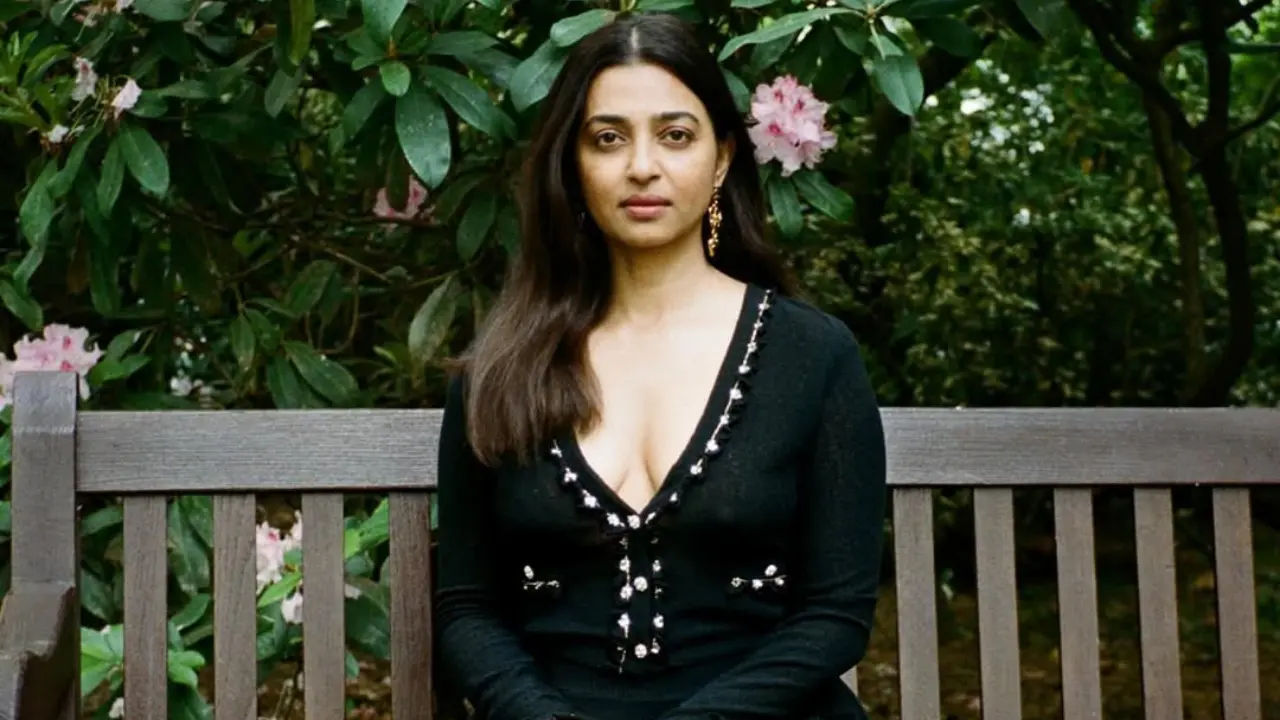
Recently, one of India’s most fearless actors, Radhika Apte, openly challenged how obsession and control are often celebrated as “love” in Hindi cinema. Her frank comments have sparked conversations nationwide — not just about films, but about societal norms influenced by them.
Let’s explore what she said, why it matters, and how this critique goes beyond entertainment.
Why Radhika Apte’s Voice Matters
A Respected Voice in Indian Cinema
Radhika Apte has steadily built a reputation as a bold, thoughtful actor who chooses roles with depth and intent. She’s known not only for performances in films like Badlapur, Sacred Games, and An Insignificant Man but also for her reluctance to conform blindly to mainstream Bollywood. This makes her voice especially significant when she speaks about the culture of cinema itself.
Her latest observations aren’t about a single movie — they’re about a pattern in Bollywood storytelling that she believes is harmful.
Radhika Apte on Romanticising Obsession
‘Power and Control Are Not Love’
In a candid interview, Radhika Apte explained her growing concern with how Hindi films often equate control, dominance, and obsession with love and passion. She said control is frequently labeled as “romantic passion,” when in reality it reflects unhealthy power dynamics.
She emphasized that true love is not about forcing someone to adjust, obey, or compromise their happiness repeatedly. Instead, real love should be supportive, uplifting, and rooted in mutual respect — not dominance.
This is a powerful stance in a culture where many films have historically celebrated “love that conquers all” — even when that idea involves intimidation, repeated compromise, or obsession.
The Problem with Toxic Romantic Tropes
From Screen to Real Life — The Influence of Films
Films are more than entertainment — they influence popular thinking, especially in societies where cinema plays a major cultural role. Bollywood’s romantic tropes often depict:
- Persistent pursuit despite rejection
- Emotional manipulation shown as intense care
- Dominant, “alpha” behavior misunderstood as desirable passion
These narratives can shape real-life expectations of how love should “feel,” especially among younger viewers. Apte’s critique highlights how this can blur the line between unhealthy obsession and genuine affection.
Mislabeling Suffering as Romantic
In her recent film Saali Mohabbat, Radhika Apte plays a character whose emotional turmoil leads to extreme actions. But instead of glorifying her character’s response as passionate love, she draws a clear distinction: the actions emerge from mistreatment and injustice — not love.
She pointedly rejects the notion that enduring suffering for another person’s sake is romantic. If love requires someone to repeatedly give up their happiness or agency, she argues, it’s fundamentally flawed and unhealthy, not devotion.
Bollywood’s Love Stories: Progress or Problem?
A Tradition of Passionate Dramas
Bollywood has historically thrived on grand, emotional love stories. From Dilwale Dulhania Le Jayenge to Kabir Singh, narratives often highlight sacrifice, persistence, and emotional dominance as signs of love.
While many fans enjoy these stories, critics argue they can also reinforce problematic ideas:
- Love must be dramatic to be real
- Emotional imbalance is acceptable
- Obsession equals intensity
Radhika Apte’s critique directly questions these longstanding tropes — asking filmmakers and audiences to rethink what we celebrate in cinematic love stories.
Radhika Apte’s Call for Realistic Portrayals
Beyond Drama — Towards Mature Storytelling
Apte’s comments aren’t merely a critique — they’re a call to action for Bollywood to evolve. She urges storytellers to treat love with nuance and authenticity, rather than simplified dramatization built on unhealthy behaviors.
She believes cinema should reflect healthy emotional relationships, where partners are equals, not figures in a power struggle. By moving past glorified obsession, films can help audiences better understand emotional well-being, respect, and care in real-life relationships.
Why This Conversation Is Important
Culture Shapes Perception
In India, cinema is deeply woven into cultural fabric. Films influence fashion, music, language — and most critically, perceptions of relationships. When audiences repeatedly see harmful behaviors framed as romantic, there’s a risk such norms become normalized. Apte’s perspective invites a necessary reassessment of these patterns.
Redefining Love on Screen and Off
Radhika Apte’s message isn’t anti-romance — it’s about redefining what love means. Instead of obsession, control, or sacrifice at all costs, she advocates:
- Mutual respect
- Emotional security
- Happiness without coercion
It’s a progressive stance, particularly for an industry that reaches millions across age groups and backgrounds.
Moving Forward: Can Bollywood Change?
Audience Expectations Matter
The shift away from glorifying toxic love isn’t something filmmakers can achieve alone. Audiences play a crucial role. As viewers demand more nuanced, responsible storytelling, studios are likely to respond.
Hope for Healthier Narratives
Some recent films and series have already begun to portray relationships with more emotional intelligence. As conversations like the one sparked by Radhika Apte gain traction, Bollywood might gradually embrace more healthy romantic narratives that resonate without reinforcing harmful stereotypes.
Final Thoughts
Radhika Apte’s outspoken critique of Bollywood’s romantic tropes isn’t just about films — it’s about the emotional impact stories can have on society. By challenging the glamorization of obsession and power as love, she invites both the industry and audiences to rethink how affection and relationships should be depicted and perceived.
Her message is clear: True love isn’t about control or sacrifice — it’s about respect, care, and mutual happiness.
This conversation could mark a turning point in how Bollywood portrays love — moving from dramatic obsession to meaningful connection.
Also Read: Abhishek to Disha Patani: Stars at NBA Matches! – Logic Matters