YouTuber Payal Gaming breaks silence amid viral video controversy
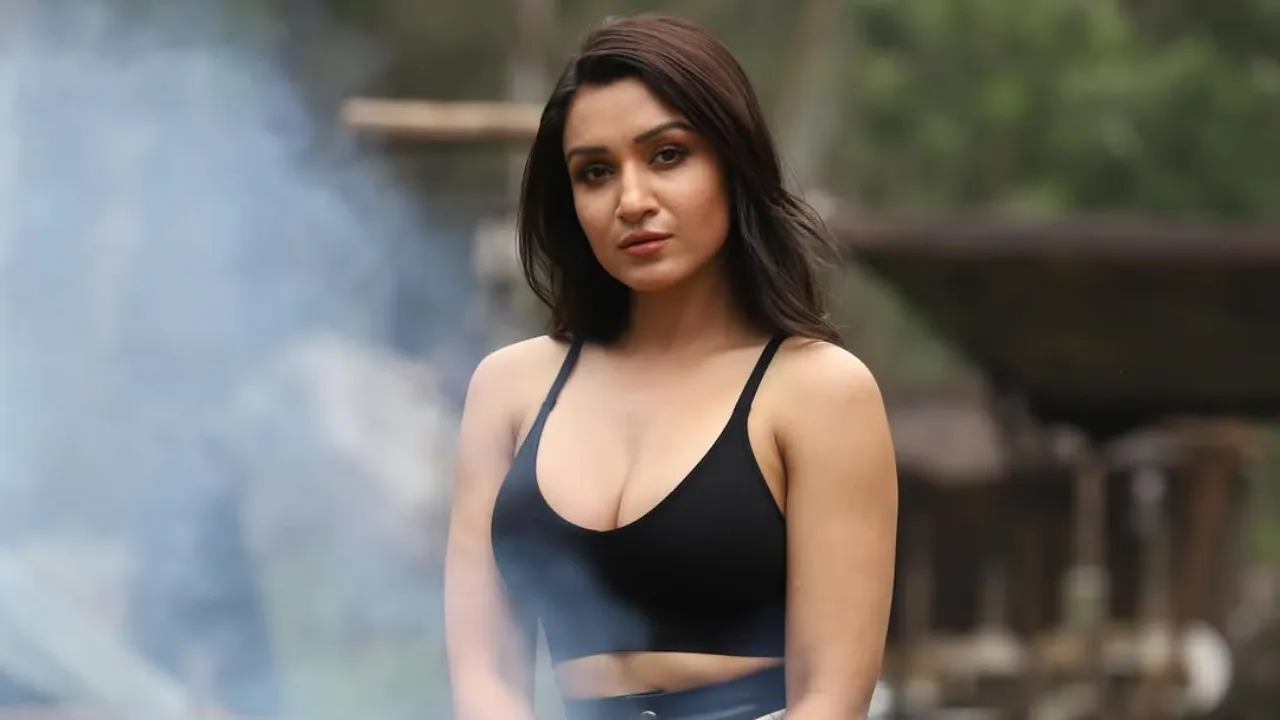
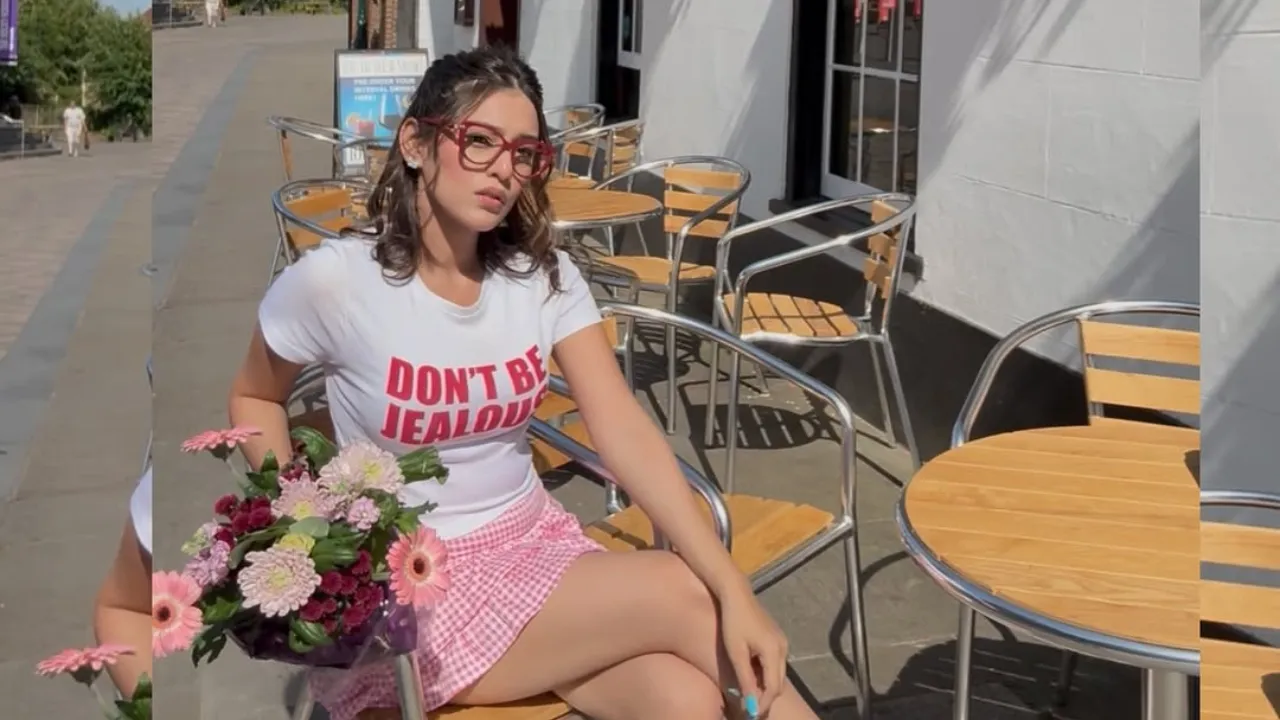
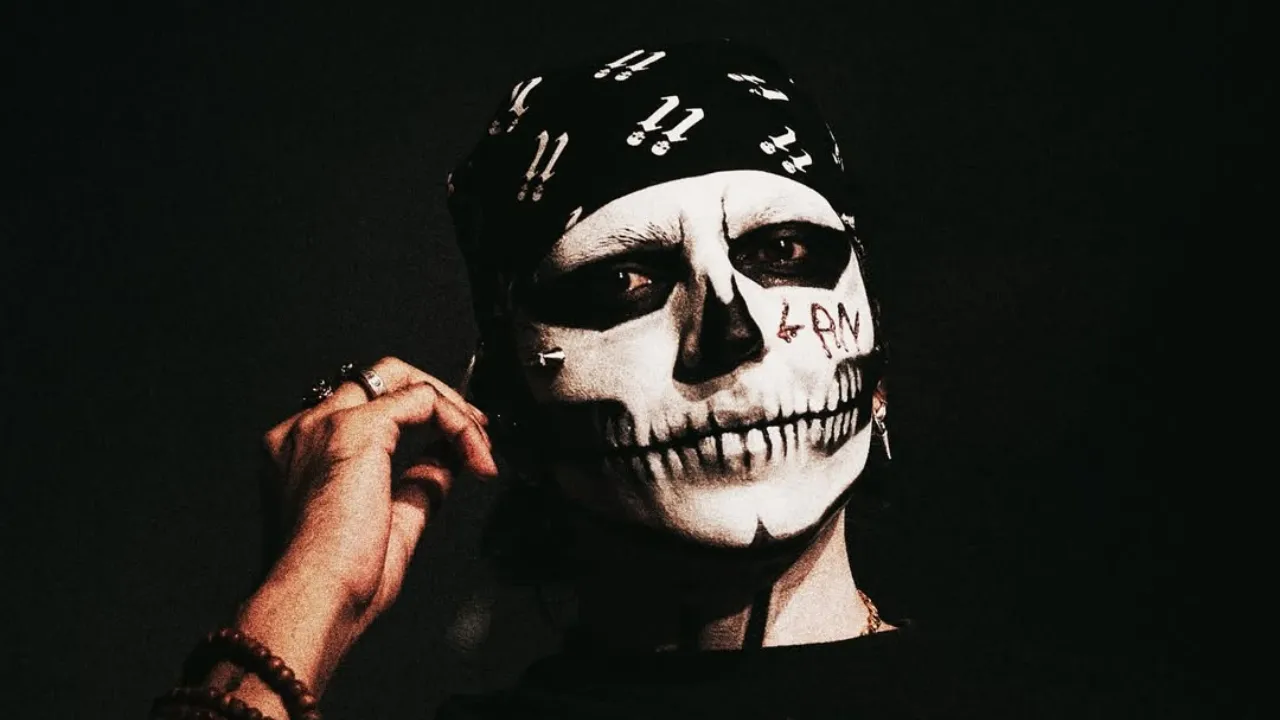
Payal Gaming — the name that once only meant gaming streams and walkthroughs — found herself at the centre of a painful online storm this week after a short explicit clip started circulating on social media with claims it featured her. The streamer, whose real name is Payal Dhare, has now publicly denied any involvement, called the clip unrelated to her, and said she’s taking action. Here’s a clear, up-to-date look at what happened, what Payal Gaming said, why deepfakes matter, and what creators (and viewers) can do next.
What happened: the viral clip and the immediate fallout
A brief video clip — being shared as an alleged “private” or “MMS” video — went viral across platforms, sparking speculation and outrage. Within hours the clip had been reposted on messenger apps, reels and short-video accounts, generating conversation and, unfortunately, harassment directed at the creator.
Payal Gaming posted an official response denying that the person in the clip is her, describing the incident as “distressing” and emphasising that the footage “has no connection to my life, my choices, or my identity.” She also said she is pursuing legal remedies to address misuse of her name and likeness.
Why Payal Gaming’s response matters
When a public figure speaks directly, it helps cut through speculation — and that’s what Payal did. Her statement served three practical purposes:
- It corrected the record quickly and publicly, which reduces the lifespan of misinformation.
- It signalled that legal steps are being taken, which can deter some abusers and give the creator avenues for redress.
- It encouraged fans and neutral observers to treat the clip with skepticism until facts are established.
Is it a deepfake? What experts and fans are saying
Many fans and digital-safety commentators have pointed to the growing realism of AI-generated deepfakes as a likely explanation for clips like this. Social media users have flagged visual artefacts and inconsistencies, while commentators cautioned that rapid resharing makes it easy for false material to look credible before experts examine it.
Payal’s team and supporters have publicly suggested the clip may be an AI-generated fabrication — a claim consistent with many recent incidents where technology was used to create convincing but fake imagery. Independent verification can take time, however, and platforms don’t always act uniformly.
How this impacts creators: reputational and emotional harm
Creators such as Payal Gaming face more than a hit to their public image. Unwanted sexualised content or a false association with such content can cause emotional distress, threaten partnerships, and lead to demonetisation or content removal from platforms.
Payal described the experience as “painful” and “dehumanising,” language echoed by others in the creator community when similar incidents occur. Public apologies or denials rarely erase the initial spread, so preventive and remedial measures matter a great deal.
Quick checklist: what creators should do immediately
- Publicly deny false claims and ask followers to avoid sharing unverified content.
- Preserve original evidence (screenshots, links, timestamps) and report content to the hosting platforms.
- Consult a lawyer experienced in online defamation/identity misuse and consider filing legal notices.
- Use platform safety tools (reporting, takedown requests) and, where available, request urgent removal for non-consensual or sexual content.
How viewers and platforms should respond
Audience members play a large role in either amplifying or stopping harm. Before resharing, pause and ask: is there an official denial? Is the source trustworthy? Are reputable media outlets reporting the claim?
Platforms must speed up review processes for explicit or identity-based abuse and invest in robust content-moderation tools. The Payal Gaming case underscores how platform policy + rapid action can limit damage — and how gaps in either can worsen harm.
Spotting deepfakes: practical tips for non-experts
Not every suspicious clip is a deepfake, but the following quick checks help:
- Look for unnatural facial movements or inconsistent lighting.
- Check audio sync and whether the voice seems artificially generated.
- Reverse-search screenshots or short clips to find the first source.
- Wait for an official statement from the person involved or trustworthy outlets before sharing.
These simple steps slow misinformation and protect vulnerable creators like Payal Gaming from needless harassment.
The legal angle: what Payal Gaming has said she’s doing
According to reports, Payal has said she will pursue legal action to hold those responsible accountable and to stop the misuse of her name and likeness. Legal tools can include takedown notices, defamation suits, or criminal complaints depending on local laws about non-consensual intimate imagery and identity misuse.
Legal routes can be slow, but they are important: they create consequences for perpetrators and establish precedent that might protect others in future.
Final take: what this moment teaches us
The Payal Gaming episode is painful but instructive. It highlights:
- How quickly false material can spread online.
- The emotional and professional toll on creators.
- The need for better detection, faster platform responses, and clear legal remedies.
- Why audiences should pause before resharing sensational clips.
If you follow Payal Gaming, or any creator, the best immediate support is to respect their statement, avoid amplifying unverified media, and report abusive content when you see it. That simple choice helps keep the internet marginally safer for everyone.
Also Read: Radhika Apte: “Awful Producers Didn’t Pay Me!” – Logic Matters