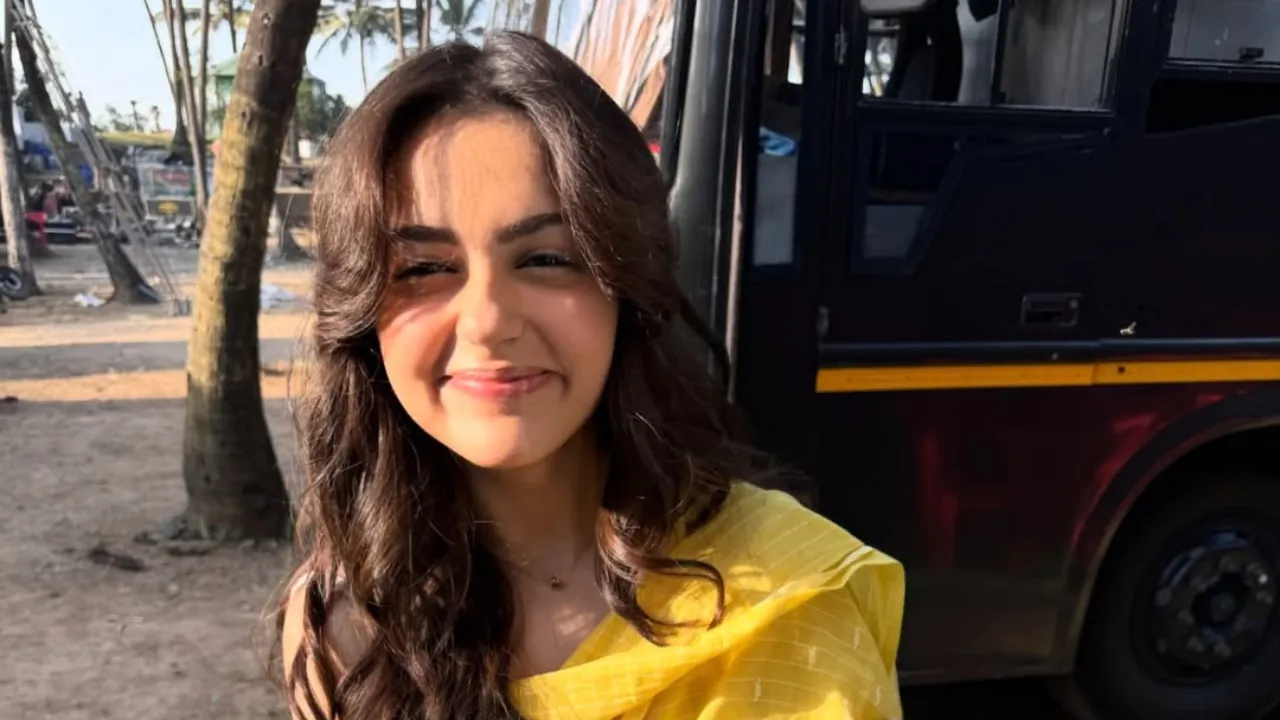
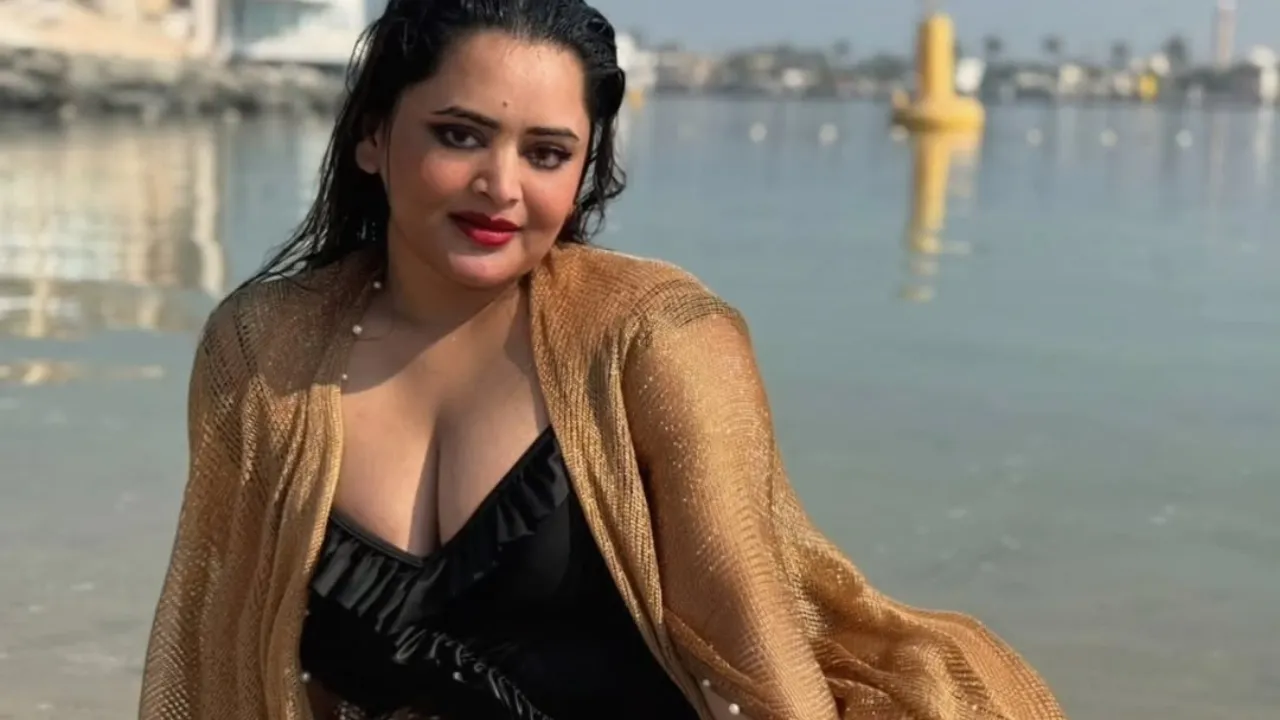
Actress Megha Kaur steps out of moving car for reel; police take cognisance
A viral video showing actress Megha Kaur stepping out of a moving car to record a reel has sparked strong reactions online and prompted action from Mumbai authorities. What began as a short social-media clip quickly turned into a public-safety debate — and a police matter. Here’s a clear, factual, and useful breakdown of what happened, why it matters, and what creators and viewers should take away.
What the viral clip shows — and where it happened
The clip circulating on Instagram shows Megha Kaur getting out of a slowly moving Mercedes and walking beside the vehicle while it continues to crawl along the road. At one point she re-enters the car and drives away. The footage appears to have been shot from inside the vehicle by a passenger.
Multiple reports place the incident in the Lokhandwala / Andheri area of Mumbai. News outlets and local posts flagged the clip after users shared the car’s registration number and raised safety concerns.
Why this became a police matter
A user shared the video publicly and tagged Mumbai Traffic Police, highlighting that the stunt could encourage risky behavior. Once the post gained traction, the Mumbai Traffic Police said they had taken cognisance and asked the relevant traffic division to look into the matter and take necessary action. That official response turned a viral video into an investigatory issue.
Megha Kaur’s public response
Following the uproar, Megha Kaur posted on her Instagram Stories addressing the controversy. She stated that the video was shot when there were no members of the public around and emphasized that it was never her intention to break traffic rules or encourage dangerous behavior. Her post also included a caution asking viewers not to imitate the stunt.
While the clarification may explain intent, it does not remove the legal or safety questions that arose once the clip became public.
Legal and safety implications of the reel
Traffic rules and public safety
Stepping out of a moving vehicle, even at low speeds, can breach traffic and public safety regulations because it endangers the person performing the act and other road users. Police action after viral stunts is not uncommon — authorities have previously acted in similar cases where reels or viral videos showed risky driving or dangerous stunts. These can lead to fines, warnings, or more formal investigations depending on the city and the exact violation.
Why intent doesn’t fully absolve risk
Creators often argue intent — that a shot was staged, controlled, or executed in a private area. But once content is published widely, intent becomes less relevant to enforcement or public perception. The law and safety protocols are applied based on the act itself and the potential harm it could cause. From a public-policy perspective, visible stunts by public figures carry extra responsibility because they can set trends among impressionable audiences.
The role of influencers and responsibility online
Megha Kaur is more than a private individual; as a public figure and content creator with a substantial following, her actions influence many. That reach brings both opportunity and responsibility.
Creators should treat stunts like professional shoots: risk assessment, permissions, closed sets, safety personnel, and, where necessary, permits. If something could place life or property at risk, it’s safer to avoid the act altogether or to clearly label it as professionally staged with no public access. The clearer the safety messaging and the more transparent the precautions, the less likely the content will be misinterpreted or imitated.
What viewers and fellow creators should do
If you see similar risky content:
- Don’t emulate it. Viral doesn’t mean safe.
- Report videos that encourage dangerous behavior to the platform.
- If you’re a creator, add clear disclaimers and — better — skip posting anything that models risky physical stunts without professional oversight.
These steps help lower the chance of harm and reduce the incentive for copycat actions.
How platforms and law enforcement are responding
Social platforms increasingly face pressure to limit videos that promote dangerous acts. At the same time, local police departments are more likely to act when a clip becomes widely shared and hazards are identifiable (for example, if vehicle registration numbers or clear locations are visible). Mumbai Traffic Police’s response in this case demonstrates how viral content can trigger official review.
Takeaway: safety over spectacle
The Megha Kaur reel is a useful case study in modern content risks: a moment intended for engagement escalated into a conversation about safety, influence, and accountability.
For creators: prioritize safety and foresee how a clip might be interpreted or copied.
For viewers: remember that what looks cool on a tiny screen may be unsafe in real life.
For public figures: visibility brings extra responsibility — not just for legal compliance but also for the social impact of what you post.
Final thought: responsible storytelling matters
Viral moments can boost a creator’s profile overnight. But short-term thrill shouldn’t replace long-term reputation and safety. Megha Kaur’s incident is a reminder that creativity on the internet needs to be balanced with caution. When content creators lead by example — choosing safe, thoughtful ways to entertain — audiences benefit and real-world risks decline.
Also Read: Divya Khossla Breaks Silence on Bhushan Kumar Buzz! – Logic Matters