A very famous director tried to kiss me in his office: Malti Chahar
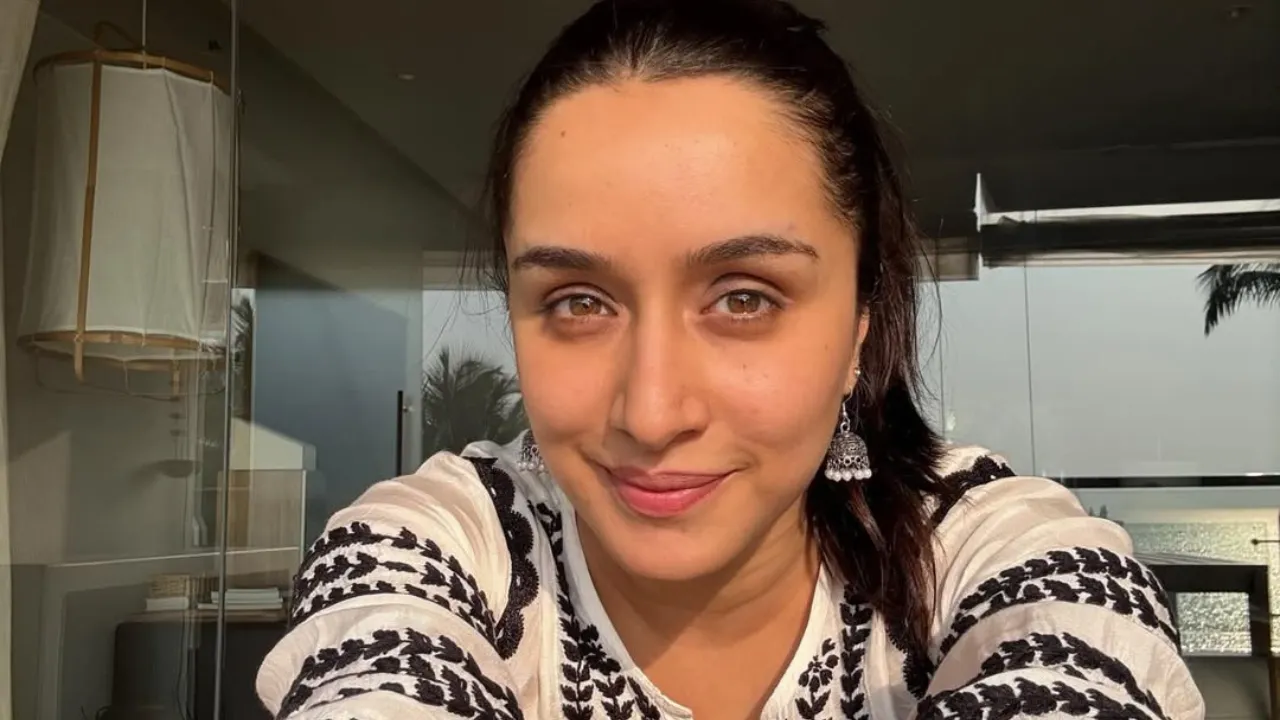
Malti Chahar has become a headline-maker again — not for a TV fight or a viral clip, but for a candid revelation about the darker side of show business. In a recent interview, the actress and Bigg Boss 19 contestant opened up about a disturbing casting-couch experience early in her career: she says an older, well-known director tried to forcibly kiss her during a meeting in his office. This article summarizes what Malti Chahar said, puts the incident in context, and explains why her voice matters.
What Malti Chahar actually said — the key facts
Malti Chahar described the incident as happening when she was new to the industry. According to her account, she met the director to discuss a project. During the meeting he tried to kiss her; she pushed him away, left immediately, and never worked with him again. She also said she was taken aback because she had respected him and even considered him a father figure at the time. Malti has publicly reflected on how that shock shaped her boundaries and her approach to work.
Did she name the director?
Malti Chahar’s statements in the interview did not include a publicly shared name. Multiple news outlets report that she described the person as an elder director but did not identify him on record. That’s important: while the allegation is serious, the media coverage confirms she chose not to name the person during that conversation.
Why this matters: casting couch is not just gossip
When a public figure like Malti Chahar speaks up, it does two things. First, it reminds the industry and the public that these abuses are real and ongoing. Second, it gives other newcomers permission to say “no” and to talk about what happened to them. The phrase “casting couch” has been used for decades, but honest, specific accounts — even without names — keep the conversation alive and pressure institutions to protect artists. News outlets covering Malti’s statement have framed it as another example of how powerful people sometimes exploit newcomers.
Malti Chahar’s background — why her words carry weight
Malti is more than a reality-show face. She’s an actress, model and content creator who entered public view through various appearances and as the sister of cricketer Deepak Chahar. Her recent stint on Bigg Boss 19 brought her wider recognition and a platform that reaches millions. That visibility means her story will reach people who might otherwise ignore this issue. Several mainstream outlets have covered her story because of that public profile.
How Malti describes the aftermath — emotional and professional impact
In the interview she described feeling stunned and betrayed. She said the incident taught her a hard lesson: in the entertainment business, trusting someone because they seem like a mentor can be risky. Professionally, she stopped contacting the director and didn’t pursue the project. She also reflected on how saying “no” in the industry can cost you work, a reality many newcomers face when rejecting advances. These reflections are part of a broader conversation about safety nets and accountability for young talent.
“You lose work when you say no” — the industry pressure
Malti’s frank line about losing opportunities after refusing advances is echoed by many other performers who have spoken out in the past. That pressure is one reason abuse remains under-reported: the immediate cost to a career is often clearer than the long-term harm of silence.
What the industry and audiences should take away
- Listen without forcing names. Not every survivor will name an abuser; their account still matters and deserves respectful coverage.
- Strengthen protections. Production houses, unions and casting agencies need clear harassment policies, safe-reporting channels, and third-party oversight.
- Support survivors. Emotional, legal, and professional support should be available to anyone who speaks up, including confidentiality where requested.
These are practical steps that go beyond headlines and actually reduce harm.
How to respond if you or someone you know faces a similar situation
If someone is in immediate danger, call local emergency services. If the incident is non-emergency but still serious:
- Document what happened (dates, times, witnesses, messages).
- Reach out to a trusted friend, agent, union representative or legal counsel.
- Consider reporting to production HR or a neutral industry grievance cell when available.
- Seek confidentiality options if you want to avoid naming the person publicly.
Every jurisdiction has different legal and support options; local law enforcement and legal aid organizations can advise on next steps.
Why balanced reporting matters — fairness and accuracy
Reporting on sexual misconduct must balance survivor safety with fairness. Malti Chahar’s account is reported across several reputable outlets, but journalists and readers should avoid sensationalism. Coverage should focus on the survivor’s experience and on systemic change, rather than on rumor or unverified name-calling. Multiple mainstream Indian publications have covered Malti’s interview, noting she did not publicly identify the director. That careful framing helps preserve accuracy while amplifying the survivor’s voice.
Final thoughts: Malti Chahar’s courage and the road ahead
Malti Chahar’s decision to speak about that painful moment adds another important first-hand account to a long-standing issue. Her words won’t solve the problem overnight, but they increase public pressure for accountability and better protection for newcomers. For readers, the takeaway is simple: listen, believe survivors, and push for concrete industry safeguards that make “casting couch” an outdated term rather than an ongoing reality.
Also Read: Tisca Chopra nearly divorced during Saali Mohabbat – Logic Matters