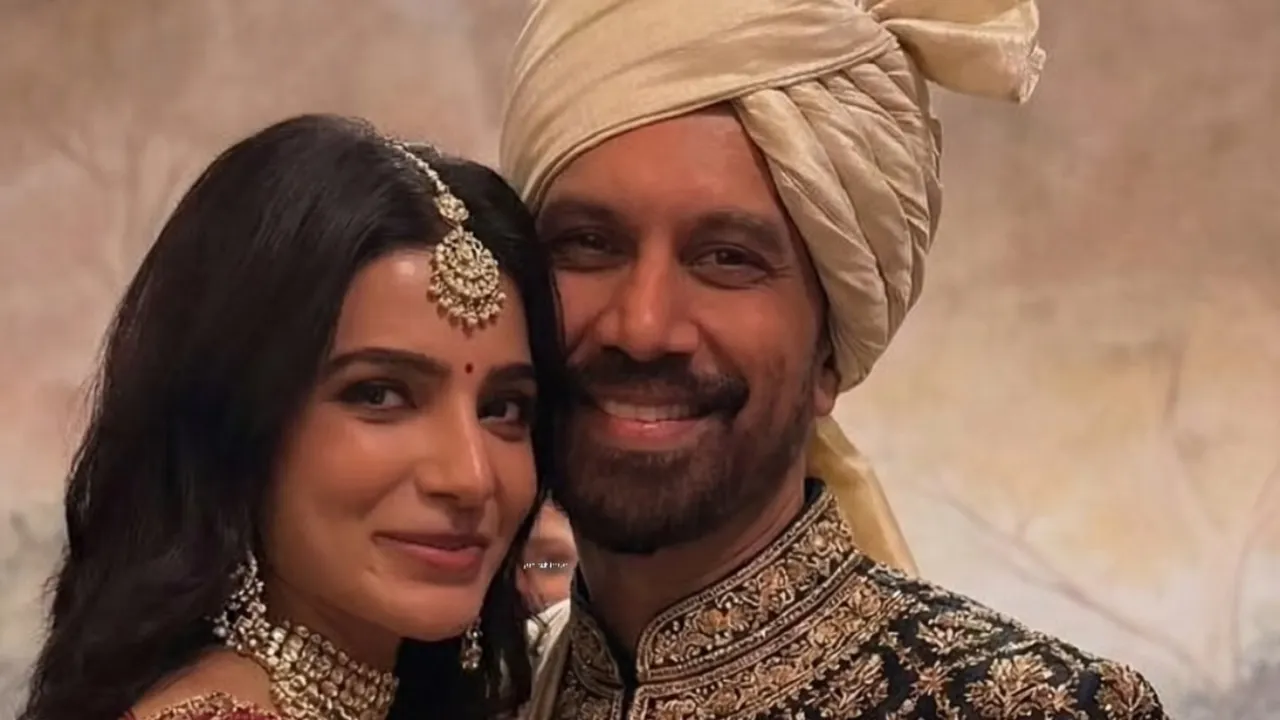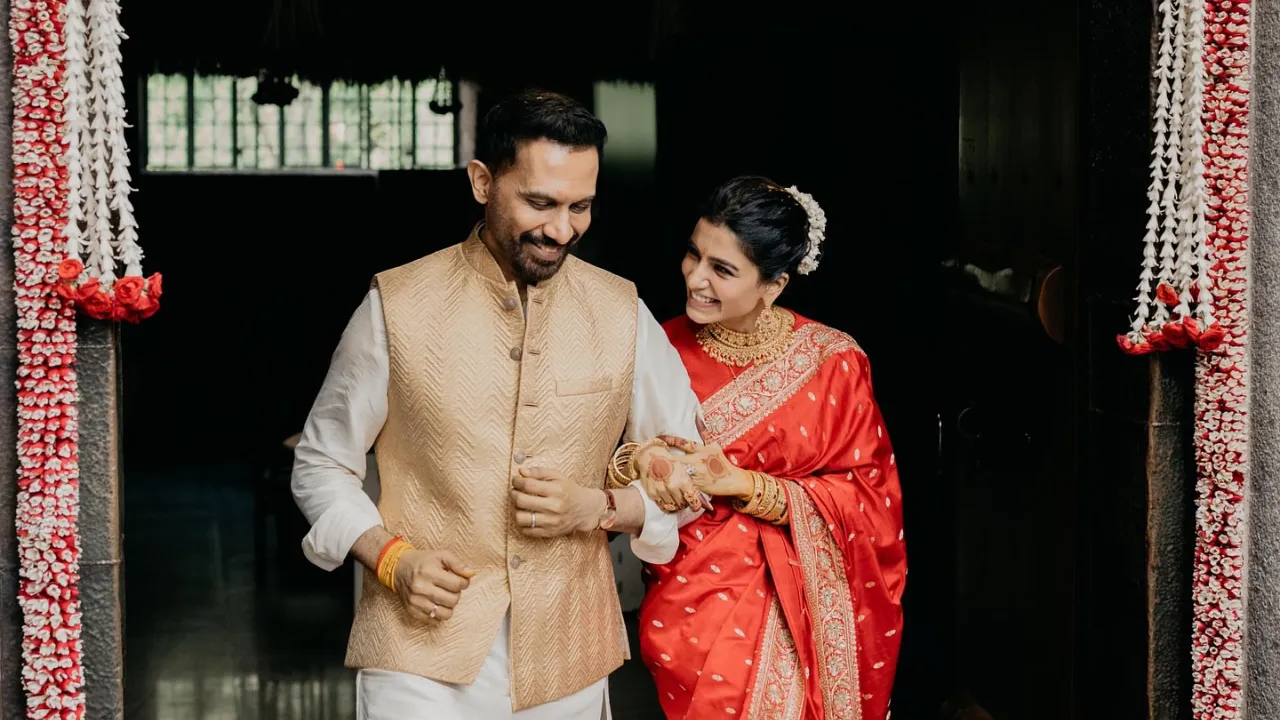
Men are praised, women are judged for marrying someone half their age: Malaika Arora
Malaika Arora has once again put the spotlight on a stubborn social double standard: when men marry much younger partners they are often celebrated, but when women make similar choices they face judgment and scrutiny. In a recent interview, the actor and entrepreneur spoke candidly about this bias — drawing on her own life and a long public career — and sparked fresh debate about how society treats women’s choices in relationships.
Malaika Arora calls out the double standard
Malaika Arora told interviewers that society applauds men who move on, divorce and marry much younger women, while women doing the same are frequently questioned or shamed. She said the reaction to women’s choices often includes comments that question their intelligence or motives — language rarely used when men are involved. These remarks came during a candid conversation about public scrutiny and gendered expectations.
Her point is not new, but coming from Malaika — who has been in the public eye for decades and whose relationships have been closely covered by media — the comments land with extra weight. She reflected on her own past marriage and divorce and how reactions differed depending on who was making the choice.
Why Malaika Arora’s comments matter
Malaika Arora is more than a celebrity soundbite. As a visible public figure who has navigated relationships, divorce, and dating under the media microscope, her observations reflect both personal experience and a broader cultural pattern. When a well-known personality names a bias, it prompts conversations across mainstream media and social platforms — which is exactly what happened after her interview.
The social roots of gendered judgment
To understand why women are judged more harshly, it’s helpful to look at cultural expectations that persist across societies.
Traditional roles and expectations
Historically, women’s value has often been tied to marriage, motherhood and “respectability.” Deviations from these narrowly defined roles — whether divorce, dating younger partners, or prioritizing personal happiness — can trigger moralizing responses. Men, in contrast, have enjoyed greater social leeway to remake their personal lives without being labeled as selfish or irresponsible.
Media and the magnifying glass
The media also plays a role. Coverage often frames a woman’s relationship choices as sensational or scandalous, while men’s parallel choices may be framed as adventurous or triumphant. This framing reinforces public perception and creates feedback loops that punish women publicly for the same behaviors that earn men praise. Malaika’s observation echoes this pattern seen repeatedly in celebrity coverage.
What Malaika’s comments mean for women in the public eye
Malaika Arora’s statement is both a personal defense and a public prompt: women deserve the same respect for their choices as men do.
Reclaiming agency
Her message underlines the importance of agency. Women making choices about their relationships — whether to leave a marriage, to date, or to marry again — should be treated as autonomous adults rather than objects of moral judgment.
A reality check for audiences
For audiences and fans, Malaika’s comments are a reminder to question knee-jerk reactions. Instead of asking “What’s wrong with her?” the healthier question is: “Why are we surprised that adults make choices to pursue happiness?” That shift in perspective helps reduce stigma and encourages a more empathetic public conversation.
Broader reactions: media, fans and critics
As expected, reactions on social media and in entertainment press were mixed.
Some praised Malaika Arora for speaking up and applauded her for highlighting a real injustice. Others read her remarks as a pointed comment on specific high-profile situations — a predictable mix when private lives and public commentary collide. Coverage across outlets amplified the conversation, prompting op-eds and threads debating whether double standards are evolving or simply being re-staged online.
Moving from critique to change: practical steps
Calling out bias is the first step. Turning that call into cultural change requires deliberate action.
Journalists: adopt fair framing
Media outlets should consciously avoid framing relationship stories for women in moralizing terms. Balanced reporting — focusing on facts and respecting privacy — reduces sensationalism.
Audiences: pause before commenting
Social media users can choose to pause before piling onto personal stories. Asking constructive questions instead of endorsing shaming helps shift public norms.
Influencers and celebrities: use visibility responsibly
Public figures who understand the dynamics of fame can use their platforms to highlight fairness and model respectful discourse. When celebrities like Malaika Arora speak up, it creates teachable moments — but lasting change needs reinforcement from many voices.
Conclusion: Why Malaika Arora’s words ring true
Malaika Arora’s observation — that men are praised while women are judged for similar relationship choices — is both timely and grounded in long-standing social dynamics. Her candid comments add an important voice to ongoing discussions about gender, privacy and respect.
At a minimum, the conversation she’s helped renew forces us to ask whether our reactions are rooted in equity or in inherited bias. If we want a more just public culture, we need to treat men and women’s choices with equal dignity — a simple, but powerful shift that begins with how we talk about each other.
Also Read: Nupur Sanon–Stebin Ben Wedding in 2026? Big Buzz! – Logic Matters