Influencer Agency Employees Forge Signatures of KL Rahul, Athiya for ₹1.4 Crore Scam
In a shocking development from Mumbai, police have unearthed a ₹1.41 crore fraud involving employees of an influencer marketing and advertising agency. The scam has rocked the industry by revealing how forged celebrity signatures, including that of Indian cricket star KL Rahul, were used to siphon off company funds. This incident not only highlights internal risks within digital marketing firms but also the vulnerabilities in celebrity endorsement systems.
Let’s take a detailed, factual look at what happened, how the fraud was executed, and why it matters.
What Happened? Overview of the Scam
In early 2026, Mumbai’s Amboli police registered a case against three individuals connected to a well-known advertising and influencer marketing firm. The accused are:
- Rishabh Surekha – Former Senior Manager (Client Servicing – Influencer Marketing)
- Yash Nagarkoti – CEO of Hooray Movies
- Ashay Shastri – Associate in the scheme
According to the FIR, the trio allegedly conspired to embezzle ₹1.41 crore from their own company by creating fake advertising projects, producing forged invoices, and using fraudulent celebrity signatures to make these transactions appear legitimate.
How the Fraud Was Allegedly Carried Out
Forged Signatures of KL Rahul and Other Celebrities
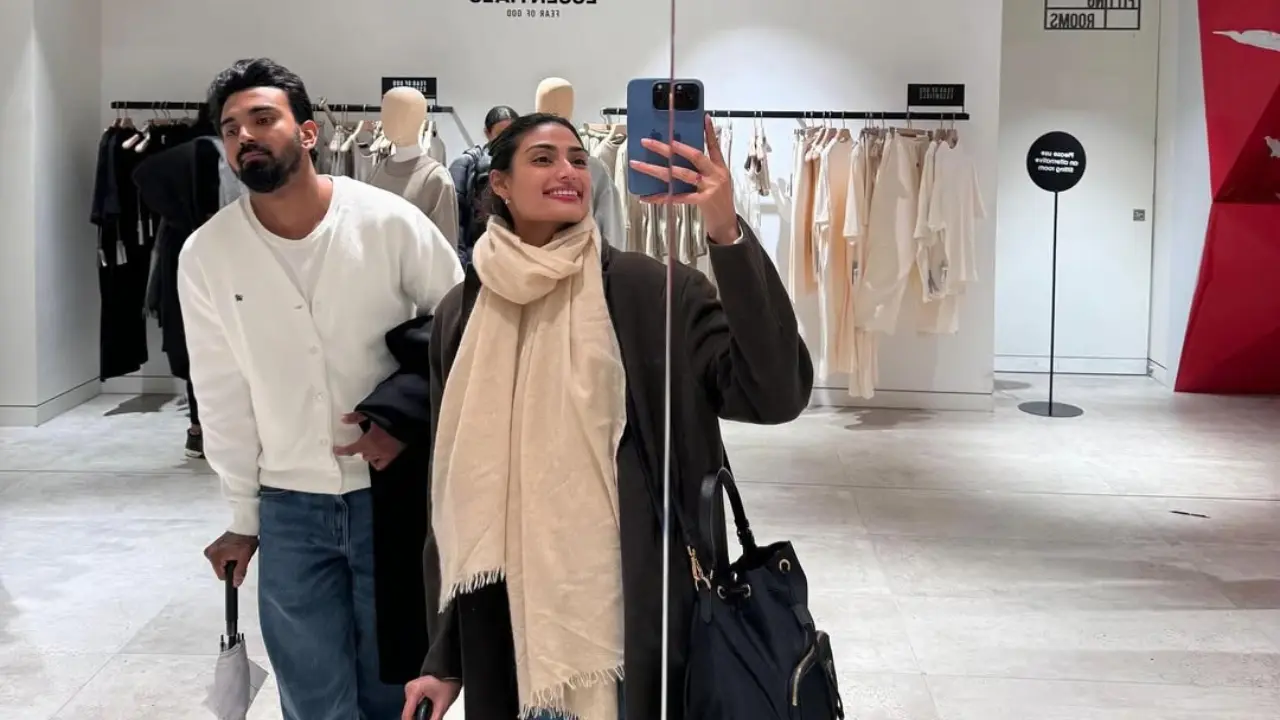
Central to the scam was the misuse of celebrity identities. The accused allegedly forged the signatures of high-profile celebrities such as cricketer KL Rahul and actress Athiya Shetty to fabricate endorsement contracts and bills. These forged signatures were then used to justify payments from big-name brands.
In one instance, police say a fake Zomato invoice was created using the names of Athiya Shetty and KL Rahul, none of whom were actually part of the purported campaign. This document was engineered to divert funds under the guise of a promotional assignment.
Fake Email IDs, Bogus Projects, and Bogus Billing
The fraud went beyond simple signature forgery. Investigators allege that the accused also:
- Created fake email accounts in the name of actors, including Arshad Warsi, to communicate fraudulent offers.
- Raised fake bills and invoices claiming payments were due for influencer marketing campaigns with brands like Havells, Mahindra Lifespaces, Realme, and Birla Estates.
- Issued false approvals for projects that never existed.
By presenting these fabricated documents internally, the group convinced the company’s finance team to release money that was then diverted into personal bank accounts—reportedly over ₹52 lakh in one misuse alone.
Inside the Agency: How Trust Was Exploited
Authority and Responsibility
The principal accused, Rishabh Surekha, had joined the agency in July 2023 as a senior manager responsible for influencer marketing, branding, and project coordination. His role gave him access to senior management, project details, and crucially, the finance department.
This position of trust allowed him to bypass checks and communicate seemingly authentic project details on behalf of celebrities. It also gave him the ability to interact with external talent management firms and clients using official channels—in some cases without oversight.
Fraud Detection Through Discrepancies
Suspicion first arose when a supposed project featuring actress Dia Mirza for Havells fell apart due to inconsistent billing figures. The production house was informed one amount, but internal documents cited a different figure. This triggered internal reviews and eventually police involvement.
Celebrity Involvement: What KL Rahul and Athiya Shetty Have to Say
Both KL Rahul and Athiya Shetty were named in forged documents, but police have confirmed that neither was involved in the fraud or aware of it. The signatures and email identities were fabricated without their consent.
Athiya Shetty’s talent management agency is reportedly cooperating with investigators to clarify legitimate communications and help separate real contracts from forged ones.
There have been no statements from KL Rahul’s office or representatives as of the latest reports, but sources close to the investigation stress that the cricketer had no direct or indirect role in this scam.
Legal Action and Ongoing Investigation
Police Response
The Amboli Police have filed an FIR under Section 318(4) of the Bharatiya Nyaya Sanhita (BNS), concerning cheating, forgery, and conspiracy. Investigators are now:
- Tracing all financial transactions linked to the scam
- Examining digital evidence such as emails and billing records
- Verifying vendor and celebrity endorsements for authenticity
At the time of reporting, no arrests had been made, but investigations are actively underway.
Company Cooperation
The complaint was initially lodged by a 28-year-old employee of the firm, who alerted authorities after noticing irregularities in documentation and financial approvals. The head office of the company is based in Haryana while the Mumbai branch operates from Andheri West.
What This Means for Brands and Influencer Marketing
This high-profile incident involving KL Rahul’s name underscores significant issues within influencer marketing and celebrity endorsement systems.
Internal Controls Matter
Companies engaging influencers and celebrities must establish robust verification processes to confirm:
- The authenticity of contracts and signatures
- Verified addresses and email IDs for talent management
- Detailed confirmation from celebrity representatives
Failure to do so can expose firms to internal fraud and reputational risk.
Comedy or Cautionary Tale?
While some may dismiss this as an isolated fraud, it highlights a broader industry challenge: how easily systems can be manipulated when trust and access are combined unsupervised. This is particularly concerning in an era where influencer campaigns rely heavily on digital communication and remote approvals.
Conclusion: A Wake-Up Call for the Industry
The ₹1.41 crore scam involving forged signatures and fake projects has sent shockwaves through the advertising and influencer marketing world. With the signature of KL Rahul among those falsified, the case has drawn significant public attention and raised questions about internal governance in marketing agencies.
As investigations continue, one clear message emerges: companies must strengthen their verification and audit processes, and celebrities and brands alike should insist on transparent, verifiable communication channels. Only then can trust—the backbone of influencer marketing—be truly safeguarded.
Also Read: Jay Dudhane Breaks Silence on Fraud Case! – Logic Matters