Hasin Jahan Faces Online Hate After Puri Temple Visit
Hasin Jahan, the estranged wife of Indian cricketer Mohammed Shami, recently found herself at the centre of a social media storm. What began as a peaceful spiritual visit to the famous Jagannath Temple in Puri quickly turned into an online backlash that highlights ongoing tensions around public perception, religion, and social media behaviour.
In this article, we break down the incident, explore why it sparked such reactions, and what it says about digital culture today.
What Happened at Puri Jagannath Temple
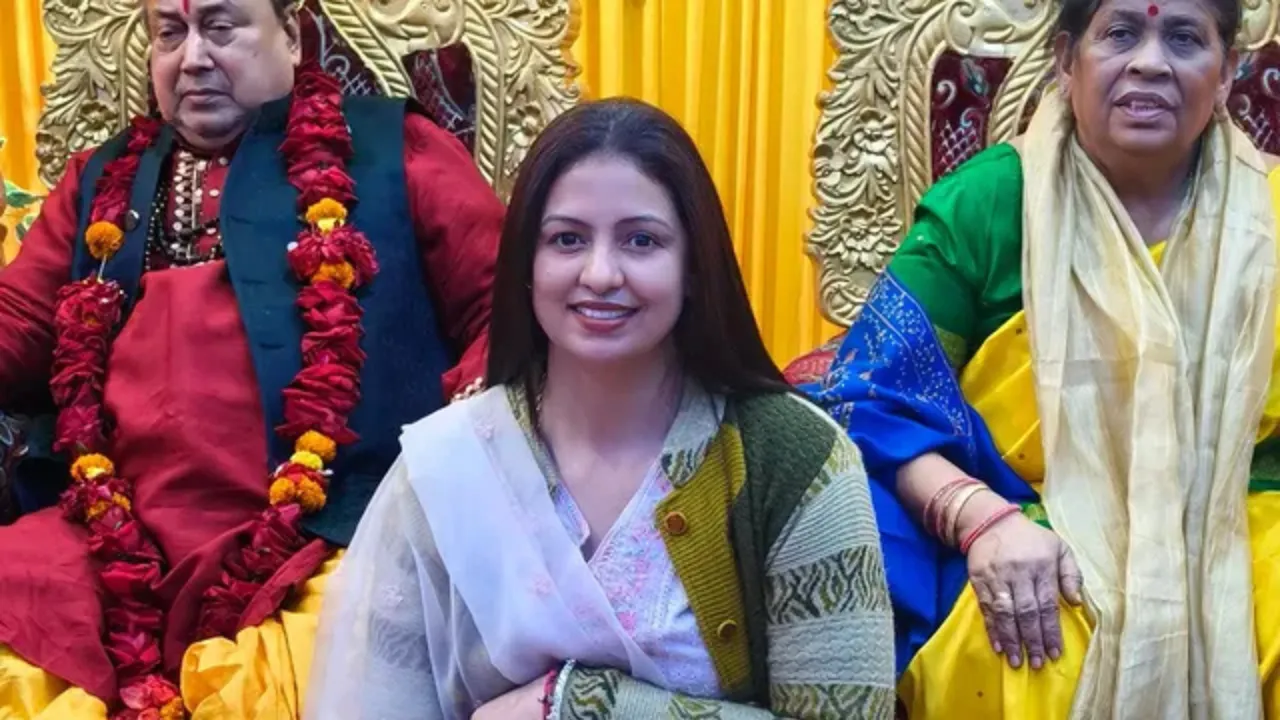
Hasin Jahan visited the Shree Jagannath Temple in Puri, Odisha, on the occasion of Vaikuntha Ekadashi in late December 2025. She, along with her daughter, received blessings from a temple priest and shared photos from the visit on her Instagram account.
The post appeared simple and heartfelt, showing Jahan in a moment of devotion at one of India’s most revered Hindu pilgrimage sites.
However, within hours of posting the photos, her Instagram comment section became toxic. Several users began posting hate comments directed at her, with some bringing up unrelated personal details and even attacking her character.
Why the Backlash Was Unexpected
Religious Devotion Meets Online Judgment
On the surface, visiting a temple is an act of personal faith and spirituality — something most people respect regardless of background. For many, Hasin Jahan’s visit was a positive reflection of India’s secular fabric, where people of different backgrounds can visit sacred places.
But that hopeful perspective was quickly overshadowed by:
- Communal comments that suggested she had no right to be at the temple.
- Personal attacks that referenced her ongoing legal and social disputes with Shami.
- Derogatory remarks that had nothing to do with her religious visit.
The comments turned from spiritual celebration to something deeply harmful — and it all played out in public view.
The Broader Digital Culture at Play
Social Media Amplifies Emotion
In recent years, social media has become a double-edged sword. It allows people to express themselves but also amplifies negativity when topics touch on religion, identity, or celebrities.
In Hasin Jahan’s case, it didn’t take long for a sincere post to be tangled with:
- Debate over religion and identity
- Online hate and backlash
- Polarising narratives that had little to do with her actual visit
This pattern isn’t new — many public figures see similar treatment when their personal actions intersect with religion or cultural expectations.
Understanding the Context of Temple Visits in India
To appreciate why Hasin Jahan’s visit drew attention, it helps to understand the cultural context.
The Sacredness of Puri Jagannath Temple
The Jagannath Temple in Puri is one of India’s most sacred pilgrimage sites. Millions of devotees from all over the country travel there every year to seek blessings. It’s also governed by traditional rules about decorum, rituals, and respect.
In this environment, public figures visiting temples are often seen as symbolic — their actions become statements, sometimes even unintentionally.
Why Some Comments Became Controversial
Mixing Personal History With Spiritual Acts
Hasin Jahan’s personal life has been widely discussed in the media due to her separation from Mohammed Shami and ongoing legal disputes over maintenance and support. Some online critics used the temple visit as an opportunity to relaunch old arguments and grievances unrelated to religion.
Rather than discussing her temple visit respectfully, some comments became:
- Derogatory
- Hateful
- Communal in tone
This crossover from personal criticism to hate is what made the response particularly troubling.
The Impact on Hasin Jahan and Others
Psychological Toll of Online Hate
Being at the receiving end of public vitriol can be emotionally taxing. For Hasin Jahan, the backlash may not just be about a temple visit — it highlights how quickly social platforms can shift from praise to harassment.
Research and many personal testimonies show that online hate can lead to:
- Stress and anxiety
- Self-censorship
- Damage to reputation
For women in the public eye — especially those already in contentious situations — this can be even more intense.
A Reflection on Social Media Behaviour
Why Online Hate Escalates
There are deeper reasons why a simple act like a temple visit can be twisted online:
- Lack of context: Comments often ignore personal nuance.
- Mob mentality: Users pile on once a discussion becomes heated.
- Fuelled by bias: Some people use religion or identity to justify hate.
Understanding that doesn’t excuse the behaviour — but it helps explain why it happens.
What Can Be Learned From the Incident
Be Mindful and Respectful Online
The incident with Hasin Jahan reminds us how quickly social media narratives can escalate. When discussing sensitive topics like religion or personal identity:
- Keep the conversation respectful
- Avoid personal attacks
- Focus on facts, not assumptions
This approach encourages healthier online spaces and discourages hate.
Recognise Humanity Behind Public Posts
Public figures are human. They can visit a temple for genuine reasons unrelated to controversy. Viewing their actions with empathy — rather than suspicion — promotes more balanced dialogue.
Conclusion: Beyond the Backlash
The story of Hasin Jahan and the online hate she faced after her Puri temple visit is more than just a controversy. It is a reflection of how modern digital culture can quickly distort a personal experience.
While her visit was meant to be a moment of spirituality, it instead highlighted:
- The power of social media to influence public perception
- How religious acts can become public flashpoints
- The need for more respectful online dialogue
Above all, this episode serves as a reminder that behind every social media post is a real person — and empathy should be at the centre of every conversation.
Also Read: Dhruv Jurel Breaks Aryan Juyal’s Record! – Logic Matters