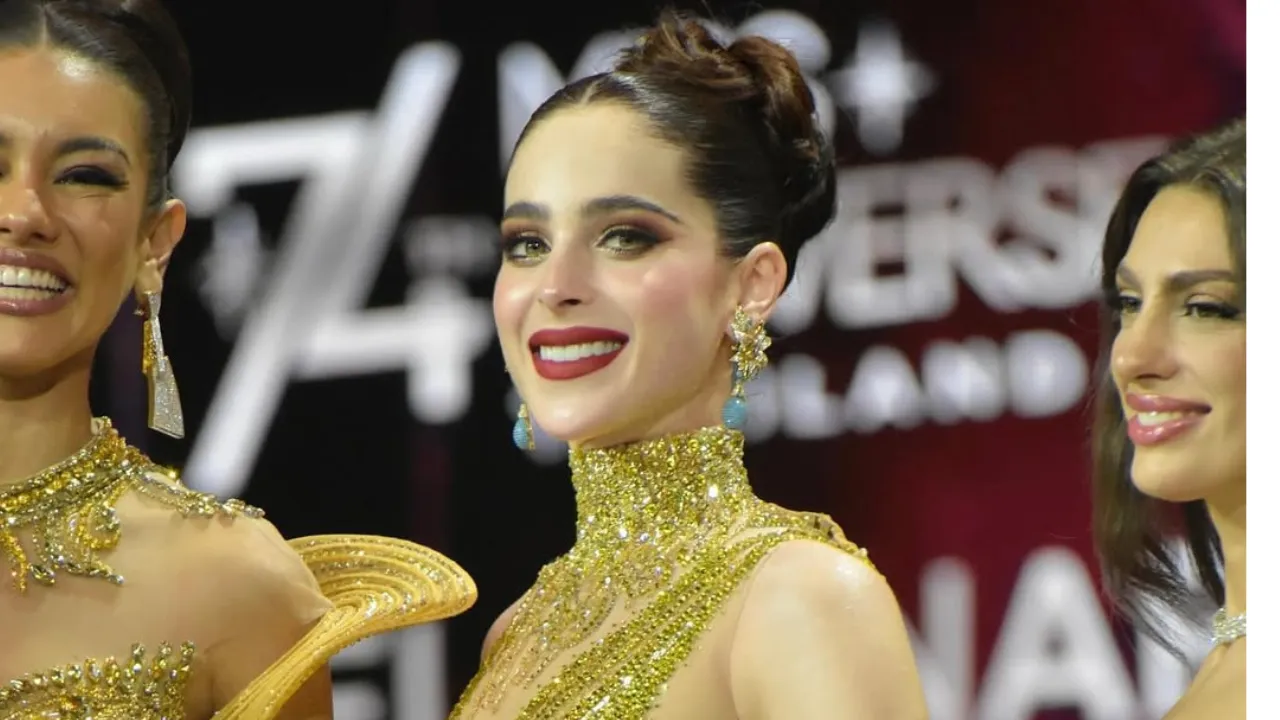
What was the controversy involving Mexico’s Fatima Bosch, now crowned Miss Universe?
Fatima Bosch’s rise to the Miss Universe crown was dramatic — not only for the win itself, but because of a highly public clash that unfolded in the weeks before the finale. Below is a clear, up-to-date explanation of what happened, why it mattered, and how the situation was resolved.
The incident: what happened to Fatima Bosch at the pre-pageant event
During a live, pre-pageant event in Thailand, Fatima Bosch was publicly reprimanded by a pageant official, Nawat Itsaragrisil, who leads the Miss Universe Thailand organization and was acting in an organizing role. The exchange, captured on livestream, escalated when Nawat accused contestants of not following media duties and singled out Bosch. He reportedly called contestants “dumb” and ordered security to escort Fatima out of the venue after a sharp back-and-forth. The clip quickly went viral and sparked immediate backlash.
Why that moment mattered
The confrontation felt different from routine backstage tension because it was public, streamed, and involved a direct humiliation of a contestant by a senior figure. Viewers, fellow contestants, and public figures saw the treatment as unprofessional and disrespectful — particularly since the insult targeted a young woman representing her country on a global stage. The incident set off a chain reaction: statements from fellow contestants, walkouts from some participants in solidarity, and swift media coverage worldwide.
The walkout and reaction from contestants and organizers
After Fatima Bosch was escorted out, several contestants and even the reigning Miss Universe staged a show of support. Some contestants briefly walked out of the event to protest the treatment, and others publicly criticized the organizer’s handling of the situation. The Miss Universe Organization later weighed in, condemning any behavior that undermined respect and dignity for contestants. These public reactions added pressure on the pageant leadership to respond and clarify what had happened behind the scenes.
Official responses: apology, investigation, and the organization’s stance
Following the outrage, the Miss Universe Organization distanced itself from the public berating and emphasized values of respect, diversity and inclusion. The pageant director, Nawat Itsaragrisil, issued a public apology for the incident, and the pageant’s leadership said they would ensure contestants were treated fairly. The organization’s president later condemned the behavior and reassured the public that the competition would proceed with dignity. Those steps helped cool the immediate controversy, though many observers continued to debate what the episode revealed about power dynamics in pageants.
How Fatima Bosch responded — grace, clarity, and resilience
Fatima Bosch handled the fallout with composure. She spoke about standing up for herself and using her platform to support other women, rejecting the idea that a contestant is just a passive pageant participant. In interviews after the incident, Bosch framed the moment as an opportunity to highlight respect and women’s voices rather than a personal vendetta. Her posture won sympathy and broadened support both in Mexico and internationally.
The politics and bigger picture: why this became more than a pageant squabble
Two reasons made the controversy especially high-profile. First, the confrontation was streamed live and rapidly circulated on social media, amplifying public scrutiny. Second, pageants like Miss Universe are carefully managed brands; when a senior organizer publicly humiliates a contestant, it raises questions about governance, accountability, and the safety of participants.
That combination turned a local dispute into a global conversation about respect for contestants, transparency in judging and management, and the role pageants play today. Media outlets and human-rights-minded commentators used the episode to press for clearer safeguards and professional conduct at major events.
The outcome: crowned amid controversy — what Fatima Bosch’s win means
Despite the earlier turmoil, Fatima Bosch went on to win the Miss Universe crown. For many observers her victory felt like a redemption arc: a moment that shifted attention from the controversy to her performance, platform and message. Her win also underscored how momentum and public support can transform an uncomfortable episode into a broader narrative about resilience. News organizations covering the final framed the crowning as both a competitive achievement and a symbolic response to the earlier incident.
What to watch next: accountability and reforms
The incident prompted calls for clearer conduct rules and better dispute-resolution processes at international pageants. Watch for follow-up statements and any policy changes from the Miss Universe Organization regarding organizer conduct, contestant protections, and how pre-pageant duties are managed. Public scrutiny and press coverage make it likelier that organizers will be pushed toward more transparent, standardized procedures.
Final takeaways — why Fatima Bosch’s story matters
Fatima Bosch’s experience is a reminder that live events are vulnerable to power imbalances, but also that public support and principled leadership can shift narratives. Her calm, assertive response and subsequent win highlight two lessons: first, the importance of treating contestants with dignity; second, how platforms like Miss Universe can amplify conversations about respect, inclusion, and women’s rights.
If you’re following this story, keep an eye on official statements from the Miss Universe Organization and any reporting that details steps taken to prevent similar incidents in future competitions. For now, Fatima Bosch stands as a headline-making winner — and a focal point for a debate about professionalism in global pageants.
Also Read: Shefali Shah Defends Actors’ Work Essentials!