Elvish Yadav’s viral photo with Messi sparks debate
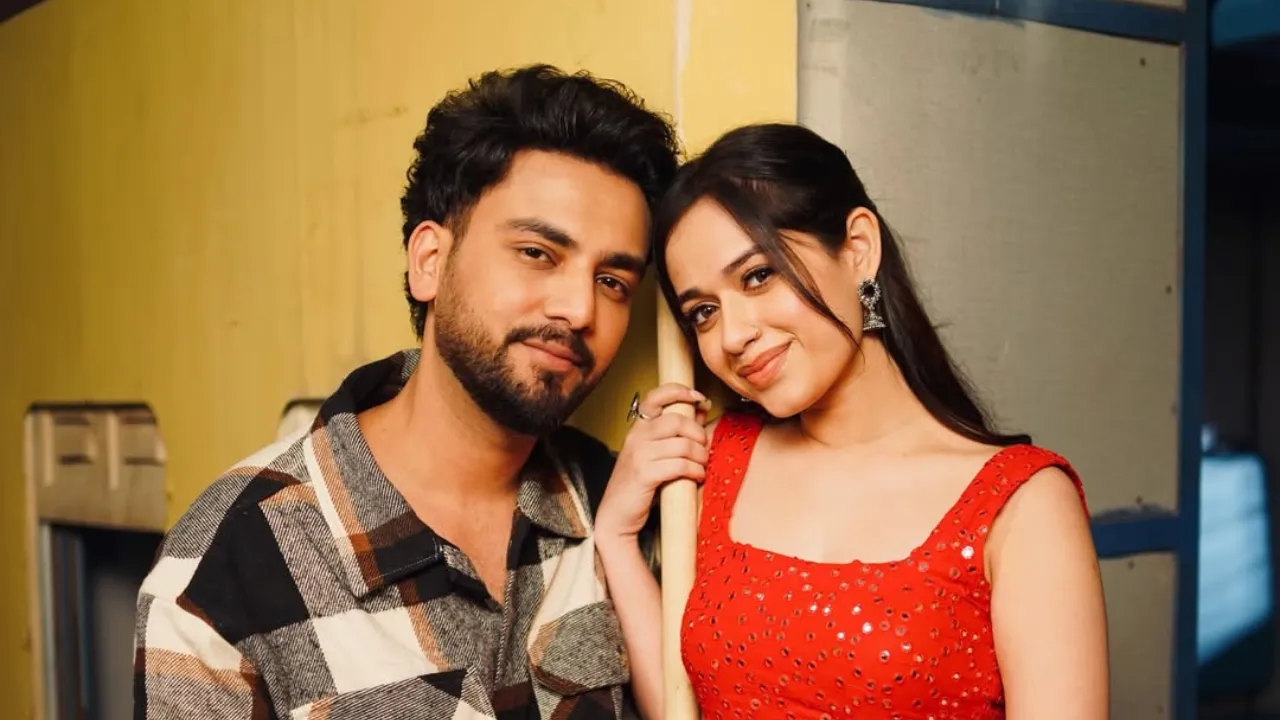
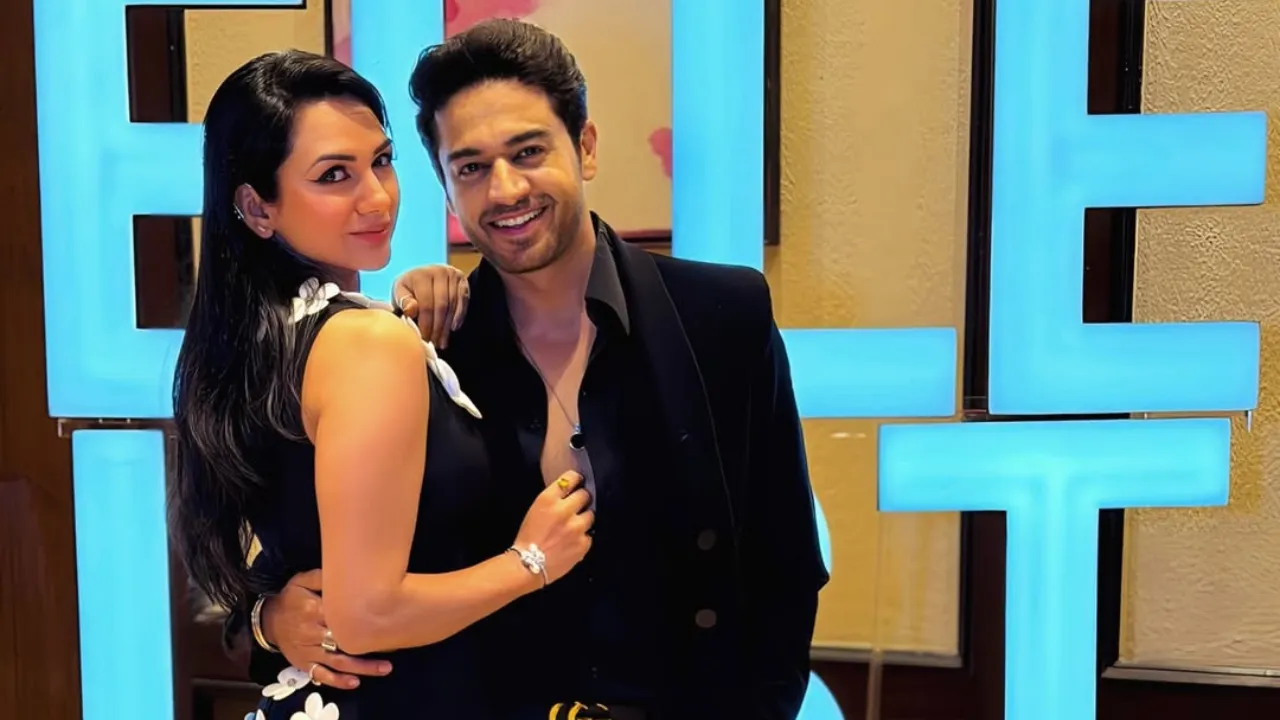
A single image has sent Indian social media into a frenzy: Elvish Yadav, the popular creator and Bigg Boss OTT winner, posted a photo with football legend Lionel Messi, and the reactions were immediate and mixed. The post — shared with fellow influencer Jannat Zubair — has been viewed, reshared and questioned across platforms, turning what might have been a simple celebrity snapshot into a wider conversation about authenticity, fan access and influencer culture.
Why the photo matters: Elvish Yadav and a global star
Elvish Yadav has built a sizable following through comedy videos, reality TV and social-media savvy. A picture with Messi — one of the most famous athletes on the planet — is naturally attention-grabbing. The image was posted with a celebratory caption and quickly spread on Instagram, X (formerly Twitter) and other networks, reaching audiences who follow sports, entertainment and influencer culture alike. That combination — a high-profile celebrity plus a widely followed local creator — explains the immediate traction.
Messi’s India visit gives context
Lionel Messi’s India appearances during the GOAT India Tour provided the setting for numerous celebrity meet-and-greets and fan interactions. Several public figures and influencers were photographed with Messi during his itinerary, which included events and appearances across Mumbai and other cities. That context makes the Elvish Yadav photo plausible — but plausible is not the same as uncontested, and social media quickly surfaced doubts.
The debate: real memory or AI trick?
Almost immediately after the photo circulated, two threads of reaction emerged.
Fans celebrate the moment
Many followers responded with excitement and congratulations. Comments ranged from celebration of the surreal “we met Messi” moment to praise for Elvish Yadav’s good fortune and for the presence of Indian creators at events featuring global stars. For those fans, the image was a shareable, joyful moment — a proof point for influencer reach in today’s media landscape.
Skeptics raise authenticity concerns
At the same time, a vocal group questioned the photo’s authenticity. Some users suggested the image might be edited or AI-generated, pointing to lighting, compositing artefacts or the rapid spread of the image as signs to be cautious. Others debated whether public figures should post candid photos made possible by tightly managed PR events, or whether those images mislead fans about access to global celebrities. These doubts amplified the conversation from “look what he did” to “how did he do it?” and “is this for real?”
How to evaluate viral celebrity photos (quick checklist)
When an influencer photo goes viral and people start asking “is it real?”, here are practical steps readers and publishers can take to verify authenticity:
- Check the original post: look for the verified account that first shared the image and note timestamps or multiple posts showing the same event. Elvish Yadav’s own social posts were the starting point for this spread.
- Cross-check other eyewitness posts: if multiple attendees or reputable news outlets share the same moment from different angles, it’s more likely genuine. Several mainstream outlets and other influencers posted similar images during Messi’s visit.
- Watch for official confirmations: photos shared by venue organizers, event promoters or Messi’s team add credibility. In their absence, skepticism is reasonable.
- Inspect technical signs cautiously: compressed images on social platforms sometimes create artifacts; use high-resolution sources where available before claiming AI-editing.
What this moment says about influencer culture
The Elvish Yadav–Messi photo is more than a single snapshot — it’s a case study in modern celebrity ecosystems. Influencers now navigate public appearances, brand tie-ins and content economics where a single image can be monetized, debated and dissected within hours.
For creators, such moments deliver visibility and potential brand value. For audiences, they prompt questions about access and authenticity. For newsrooms, they are a reminder that verification matters: a trending image must be treated like any other source — checked, contextualized and, when necessary, qualified.
The PR angle
Events that host global stars often curate who gets photographed and why. Influencer appearances may be part of sponsored activations, partner programs, or event hospitality. That means photos are legitimate but staged — and disclosure (for example, tagging sponsors or noting official event affiliations) helps readers understand the full picture. Some posts around Messi’s visit did mention organizers and partners, offering important context.
Takeaways for readers and fans
- Treat viral celebrity photos with curiosity, not automatic cynicism. They can be both real and curated.
- Look for corroboration across multiple independent sources before drawing conclusions about authenticity.
- Recognize the value exchange: creators gain visibility, organizers gain buzz — that doesn’t automatically mean deception.
- If you rely on images for news reporting, prioritize outlets or attendees who provide multiple perspectives and source material.
Conclusion: Elvish Yadav’s photo did what social media is built to do
Whether people celebrate it or question it, the photo achieved impact: it brought attention to the event, sparked a wider conversation about digital trust, and reminded both fans and creators that today’s media environment rewards immediacy — and demands verification.
For Elvish Yadav, the moment cements another chapter in his career as an influencer who reaches beyond domestic audiences. For the public, it’s a useful nudge to apply the same digital literacy we use for news to the influencer snapshots we consume every day. And for journalists and platforms, it’s a prompt to keep verification front and center when covering viral moments.
Also Read: Rhea Chakraborty Opens Up on Egg Freezing at 33! – Logic Matters