I was once told to change nose & teeth: ‘Dhurandhar’ actor Ayesha Khan
Ayesha Khan on beauty standards in Bollywood
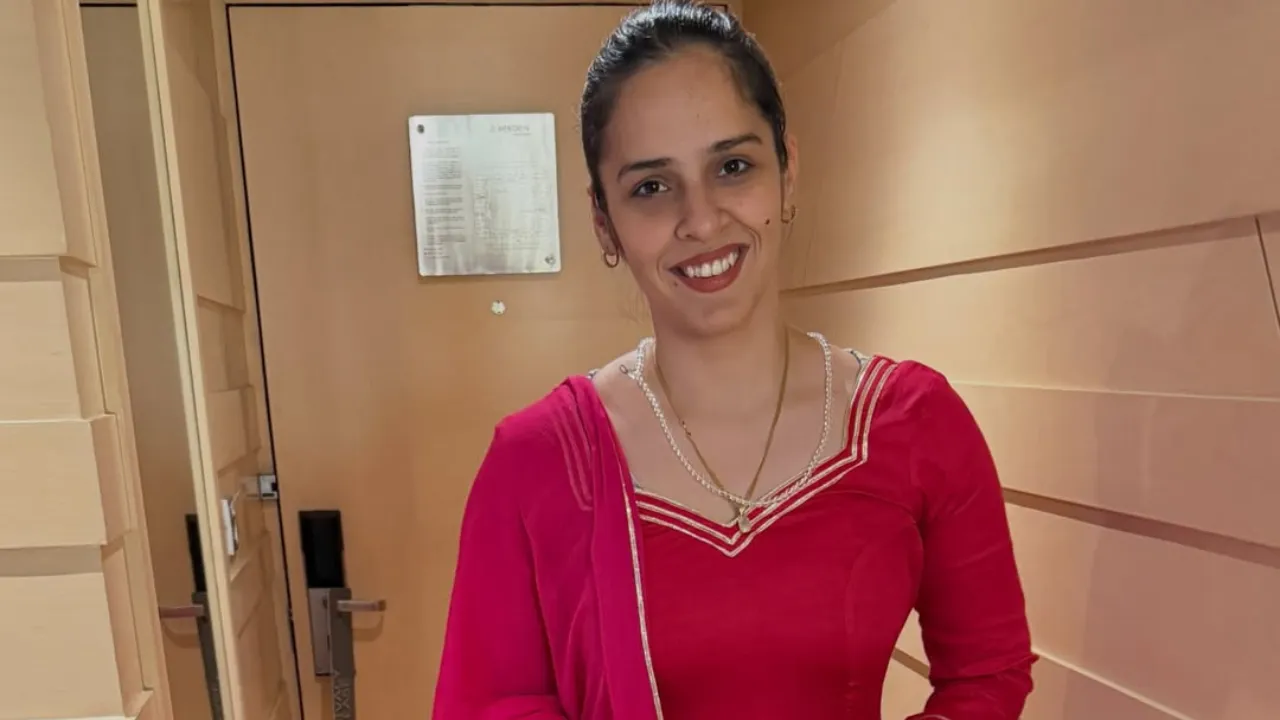
Ayesha Khan has been quietly building a name for herself with memorable cameos and song appearances, and recently she spoke out about something many actors face but few openly discuss: unsolicited comments about their looks. The actor — who appears in the song Shararat from Dhurandhar and has been part of projects like Jaat and Kis Kisko Pyaar Karoon 2 — revealed that people in the industry once told her to “fix” her nose and change her teeth if she wanted more work.
Her comment underlines a larger, ongoing conversation in Indian cinema: the pressure on performers to conform to narrow beauty ideals. Ayesha’s reaction was clear, personal and firm — she said she loves her nose, questioned who had the right to pass judgement, and called out the casualness with which some casting people make such suggestions.
Why Ayesha Khan’s words matter
Small comments have big consequences
On the surface these remarks might sound like a blunt casting opinion. In reality, they carry weight. When casting coordinators, background staff or even well-known directors imply that altering a person’s natural features will improve their job prospects, they reinforce an industry bias that prizes a specific look over talent, diversity, or character. Ayesha’s story is a reminder that what’s said in casting rooms can ripple into an actor’s confidence and career choices.
Not directed by directors — often from ‘others’
Ayesha clarified that the remarks weren’t typically from directors who run the creative show, but more often from coordinators or peripheral decision-makers. That distinction is important: it shows how gatekeeping can come from multiple levels, not just from the people signing the cheques. It also highlights why performers sometimes feel powerless — though the critic may have no real casting authority, their comment can still shape opportunities.
The audition that turned awkward
Ayesha shared a specific memory from a casting session for a horror film. She had gone in, auditioned on the spot, and the director praised her performance. But the praise was followed by a qualifier: the director (or people around the casting) said because it was a horror project she was fine, but for other films she might need to change her teeth. The compliment immediately lost its warmth and left her deflated. That moment — from elation to disillusionment in a few words — is what many performers quietly endure.
What this reveals about the industry today
Appearance still influences casting
Ayesha’s experience confirms what many actors and industry insiders have been saying: looks still play a big role in casting. While scripts and characters are getting more varied, the subjective taste of a few powerful people often determines who gets seen and who gets shelved. Ayesha’s refusal to accept the suggestion — and to speak about it publicly — is a small but significant pushback.
The difference between feedback and policing
Constructive feedback on craft is valuable. But when commentary shifts from craft to physical alteration — “fix your nose”, “change your teeth” — it crosses into policing. That line matters because it shifts agency away from the actor and turns the creative conversation into one about conformity. Ayesha’s insistence that she’s comfortable with her features is an important assertion of self-agency.
Ayesha Khan: career snapshot and recent work
Ayesha Khan is rising steadily, with credited appearances across films and music sequences. Her presence in Dhurandhar’s Shararat has put her in the spotlight as the film itself dominates conversations this season. She was also seen earlier in Jaat, and is part of the ensemble in Kis Kisko Pyaar Karoon 2. These projects show she’s getting diverse work even while industry conversations about looks continue.
By talking about her experiences now, Ayesha joins a growing group of performers who are using visibility to challenge harmful norms rather than quietly accepting them. That matters not just for her, but for younger actors watching how the industry treats performers who don’t fit a narrow aesthetic.
How readers and industry can respond
For casting teams and filmmakers
Respectful, role-focused feedback should be standard. If a physical change is genuinely essential to a character, directors should explain why and offer options — not dismiss an actor’s natural look as a flaw. Transparency and empathy in casting conversations will reduce the damage these offhand remarks cause.
For actors and aspirants
Ayesha’s example shows the value of confidence and finding allies. Document your experiences, seek representation that values you as an artist, and remember that one person’s biased opinion does not define your worth or range. Practical resilience—continuing to audition, building a reel, networking—remains crucial.
For audiences
When viewers demand diverse, realistic representation, the industry pays attention. Choosing films and shows that celebrate different looks and stories helps change the economics that reinforce narrow casting choices. Supporting performers like Ayesha Khan — who push back publicly — is a way audiences can drive change.
Final thoughts: Ayesha Khan’s stance is constructive, not confrontational
Ayesha Khan didn’t dramatize her experience; she narrated it plainly. That makes the point sharper: industry gatekeepers often throw casual, harmful suggestions around without realizing their impact. By naming the problem and continuing to work, Ayesha demonstrates a steady kind of resistance: professional persistence coupled with a refusal to alter herself to fit someone else’s template. For an industry that’s slowly evolving, that balance of grit and clarity is exactly the kind of pressure that produces long-term change.
Also Read: Pak Actress Hira Soomro Trolled for Fake Dhurandhar Casting Claim! – Logic Matters