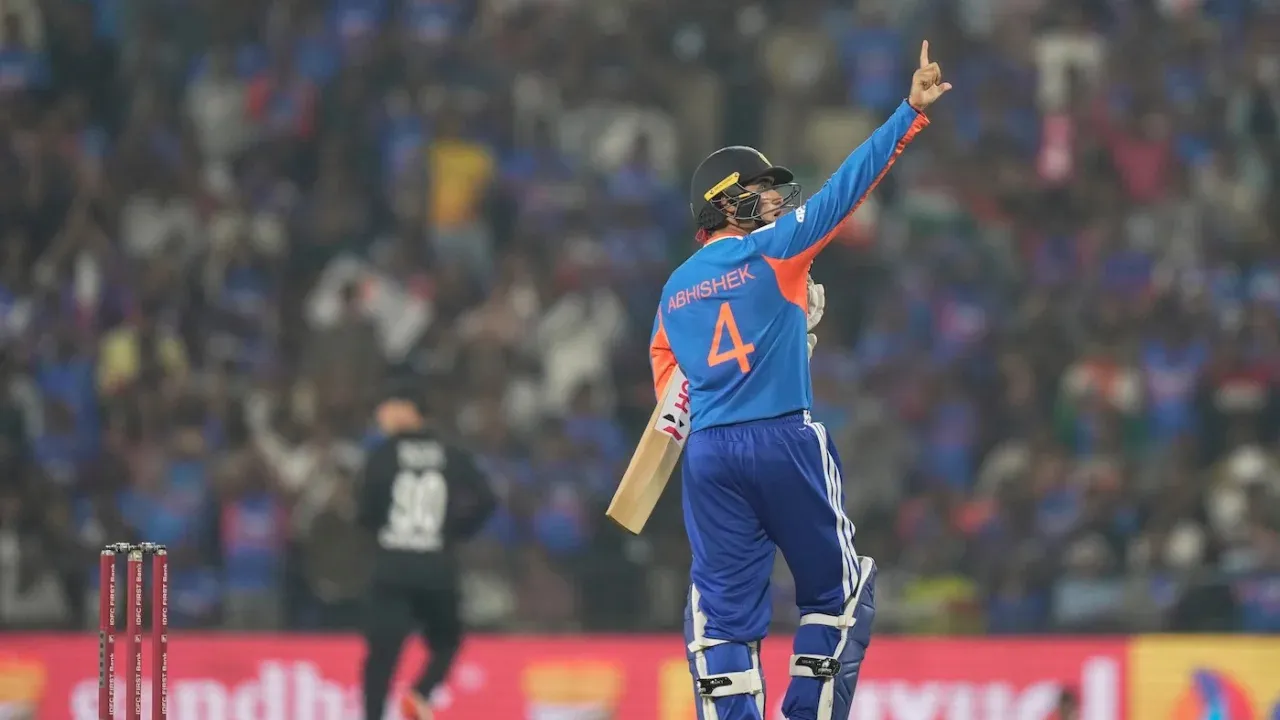
Abhishek Sharma Bludgeons 8 Sixes to Set Major India T20I Record vs New Zealand
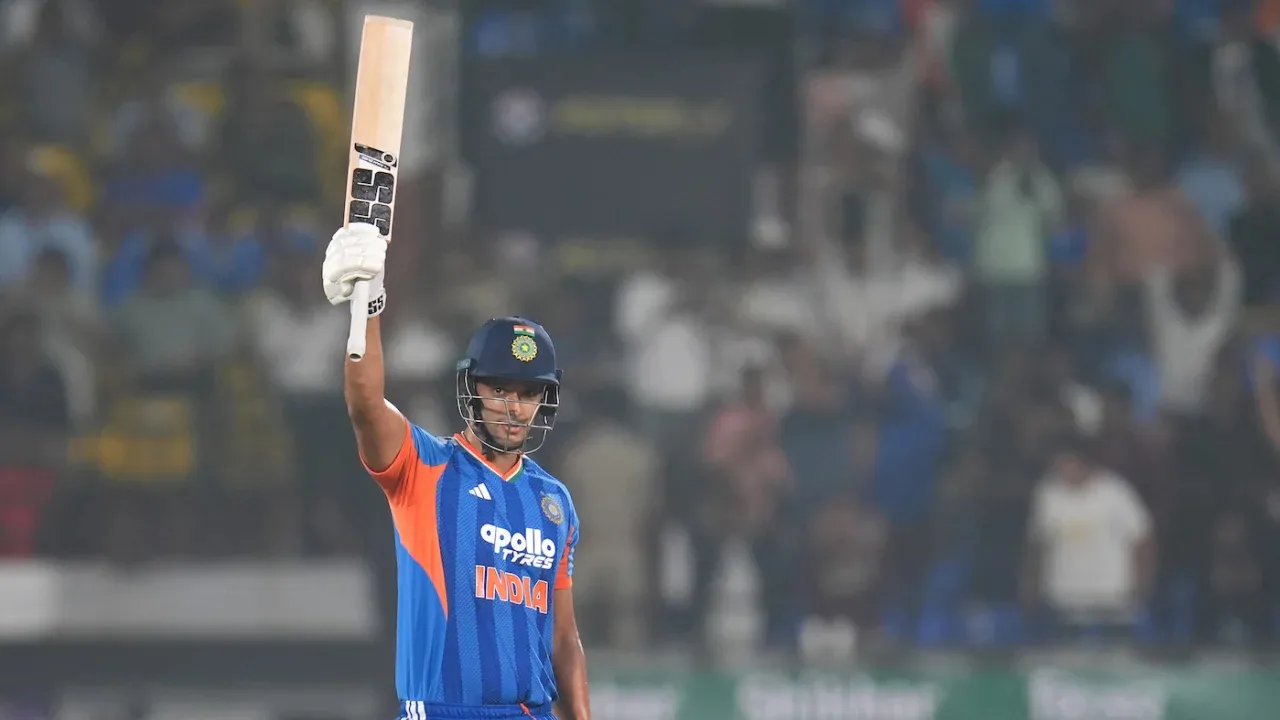
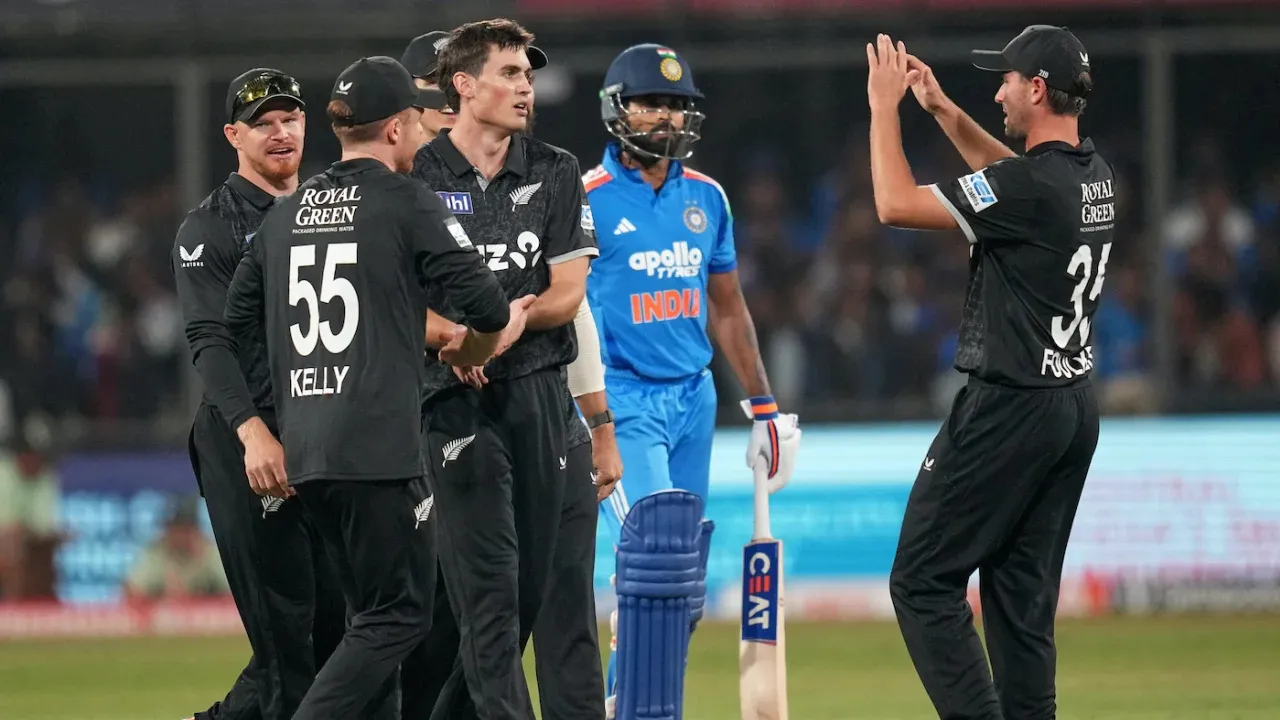
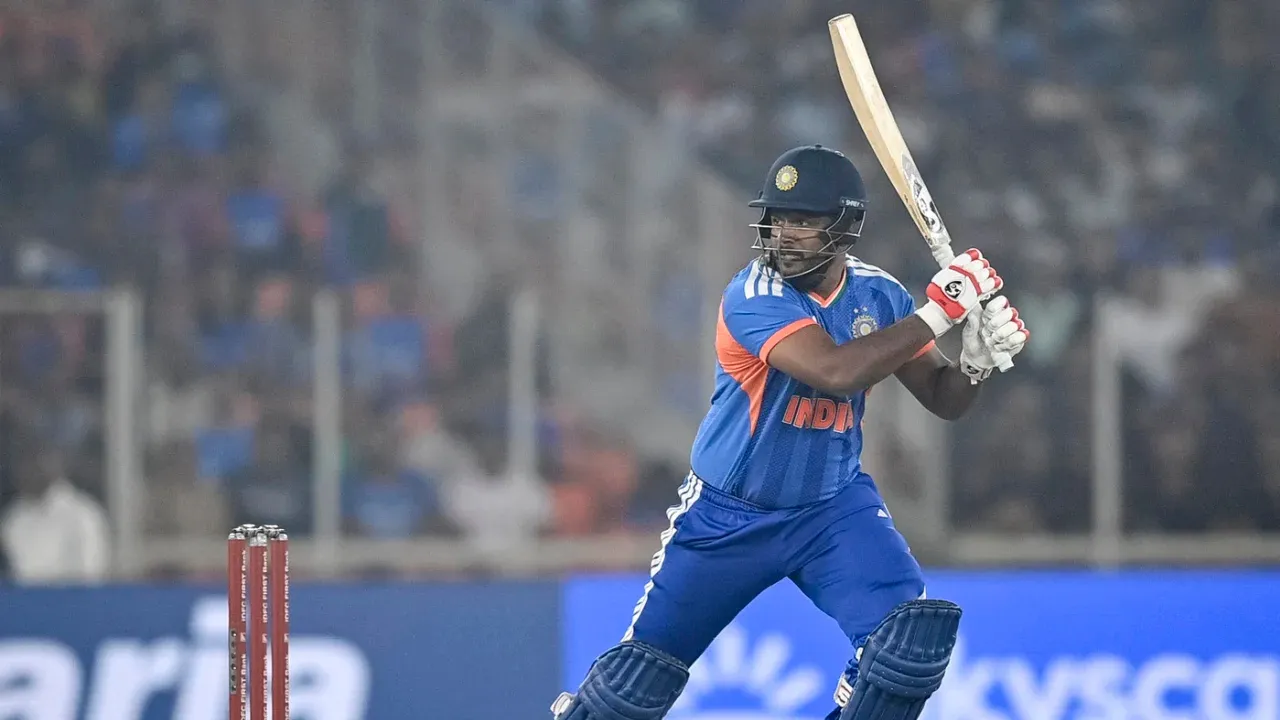
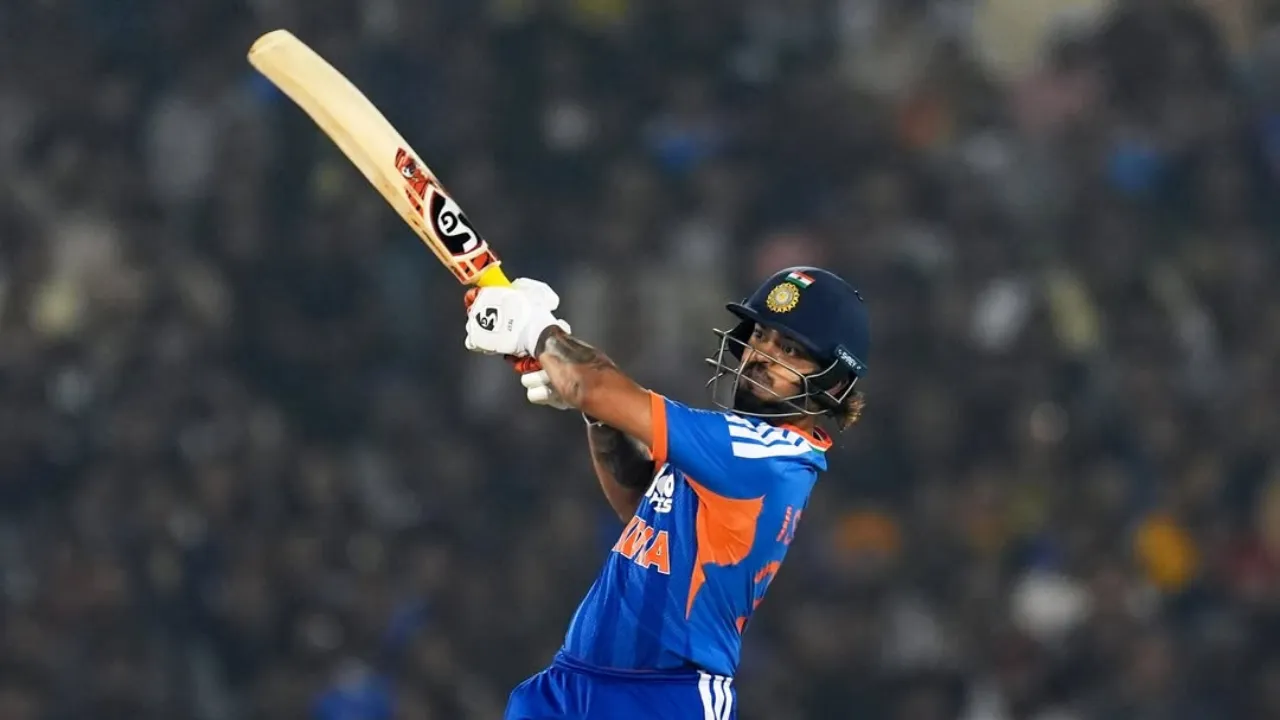
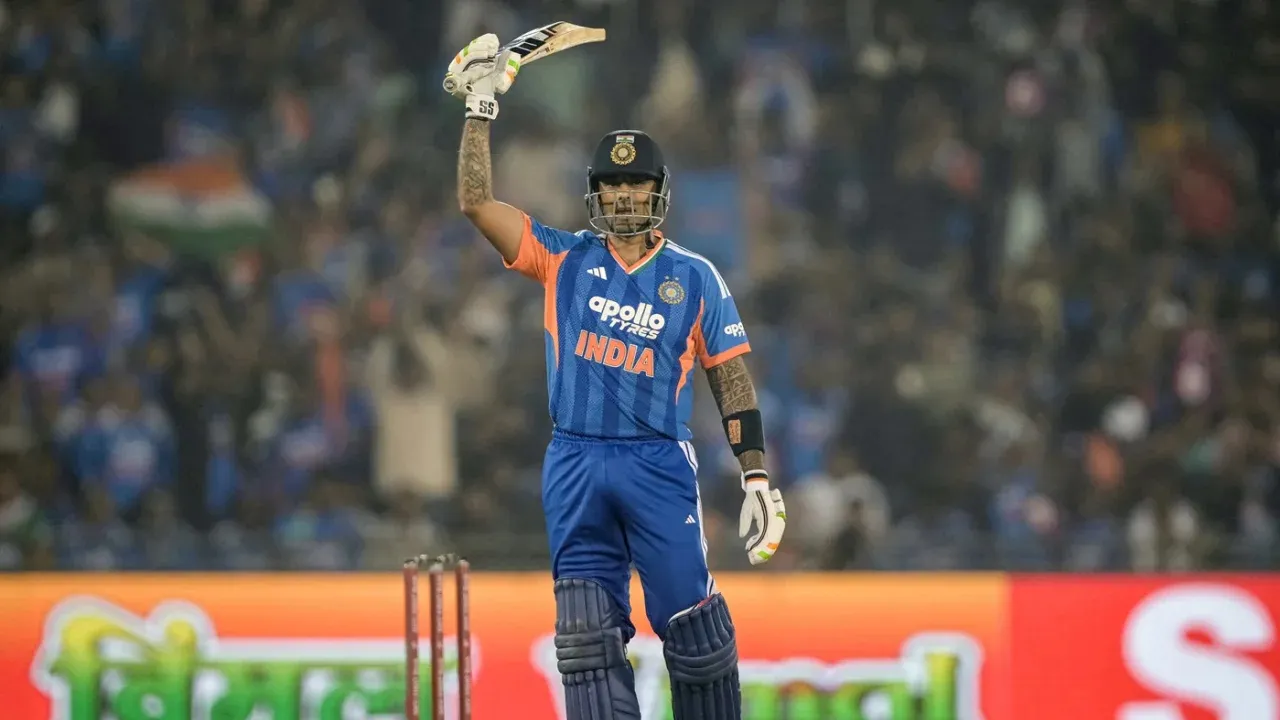
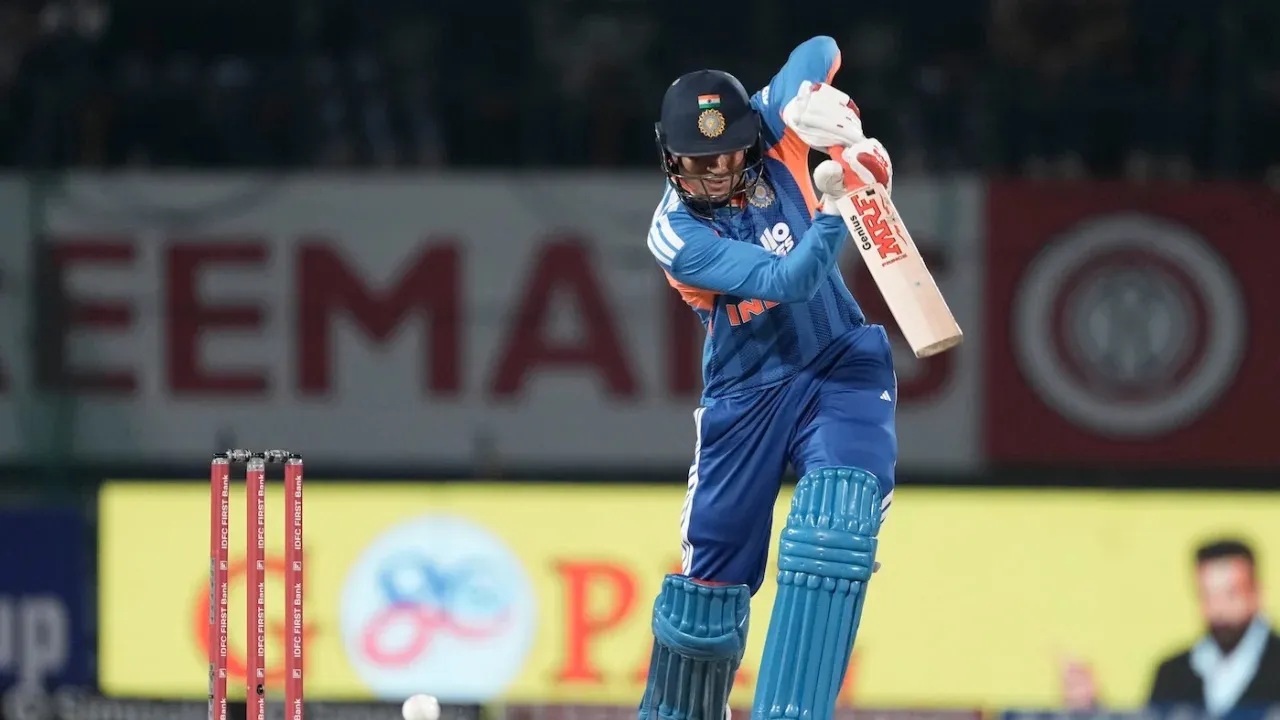
The cricketing world witnessed another breathtaking performance from Abhishek Sharma on January 21, 2026, as the explosive Indian opener lit up the 1st T20I against New Zealand in Nagpur. In a stunning display of power-hitting and timing, Sharma tormented the New Zealand bowling attack, smashing eight towering sixes en route to a blistering 84‑run innings off just 35 deliveries. His scintillating performance not only helped India post a commanding total but also saw him surpass several established records previously held by Indian greats like KL Rahul and Rohit Sharma.
In this article, we’ll dive deep into Abhishek Sharma’s incredible innings, the records he rewrote, and what this means for India’s T20I prospects moving forward.
Explosive Knock: Abhishek Sharma Dominates New Zealand
A Knock That Took the Breath Away
From the moment Abhishek Sharma walked out to bat at the Vidarbha Cricket Association Stadium, it was clear that he was in sensational touch. India, batting first, received a blistering start as Sharma unleashed an aggressive assault on the New Zealand bowlers.
Let’s break down his performance:
- Runs: 84
- Balls Faced: 35
- Sixes: 8
- Fours: 5
- Strike Rate: 240.00
Sharma’s knock was characterised by impeccable timing, audacious shot selection, and ferocious intent. He consistently targeted short and loose deliveries, clearing the boundary with ease and unsettling the Kiwi bowlers throughout his stay.
This was not just another big score—it was a statement. In a format where quickfire innings are prized, Sharma’s explosive batting showcased his ability to single‑handedly change the game within a few overs.
Record‑Breaking Feat: Surpassing Legends
Surpassing KL Rahul and Rohit Sharma
One of the standout aspects of this innings was how Abhishek Sharma surpassed benchmarks previously set by some of India’s best T20I batters.
With eight sixes in this match, he moved ahead of notable Indian hitters like KL Rahul and Rohit Sharma in specific T20I records, particularly regarding powerplay and six‑hitting dominance in a single game situation.
While Rohit Sharma and KL Rahul have been pillars of India’s middle and top order for years, Sharma’s performance underlined a generational shift where younger hitters are stepping up and making big impacts early in their careers.
A World Record for Quick Half‑Centuries
In addition to smashing eight sixes, Abhishek also set a remarkable global T20I record by becoming the first batter to reach eight half‑centuries in international T20 cricket in 25 balls or fewer.
This unprecedented statistic places him ahead of several elite players who have been known for rapid scoring, including England’s Phil Salt and West Indies star Evin Lewis, as well as his own teammates who have produced blistering innings in the past.
The Numbers Behind Sharma’s Brilliance
Strike Rate and Consistency
Sharma’s strike rate of 240.00 in this innings is one of the highest in men’s T20I cricket, particularly for innings of significant duration. Consistently scoring at 200+ strike rates is rare, and doing so in international cricket against quality bowling attacks highlights Sharma’s extraordinary ability.
Over the past year alone, he has:
- Reached the top of the ICC T20I Batter Rankings.
- Consistently hit sixes at an unmatched rate.
His aptitude to clear the boundary consistently, especially in the powerplay, sets him apart from his peers.
Powerplay Dominance
Remarkably, over 60% of Sharma’s T20I sixes have come during the powerplay, the phase of the game where bowlers typically hold the edge with field restrictions balanced against fresh bowling fire.
This not only demoralises the opposition early on but also gives India a psychological advantage in T20 matches, setting the tone for the rest of the innings.
Why This Matters for India
Strengthening India’s Top Order
With the T20 World Cup 2026 on the horizon, performances like these are massive confidence boosters for Team India. Sharma’s consistency and aggression provide India with a lethal weapon at the top of the order.
His ability to exploit field restrictions and score quickly, especially in home conditions, gives India flexibility in how they approach games—whether setting huge targets or chasing big totals.
Impact on Team Strategy
Sharma’s emergence impacts India’s future tactics substantially:
- He can take the game away from opponents in the first few overs.
- Opponents now must rethink powerplay bowling strategies against him.
- India can build deeper batting orders knowing they have explosive starters.
In short, Abhishek Sharma is rewriting the script on how India approaches T20 cricket in the modern era.
Looking Ahead: What’s Next for Abhishek Sharma?
Abhishek Sharma’s career graph is pointing upwards at a breakneck pace. After smashing records in domestic and international T20s, he’s now one of the most feared batters in the shortest format of the game.
As India continues its T20I series against New Zealand and prepares for major tournaments like the T20 World Cup later in 2026, Sharma will undoubtedly be central to India’s batting strategy.
If he continues this kind of form, there’s little doubt that he could soon challenge even more historic records—not just within Indian cricket, but globally.
Conclusion: A New Era of T20 Batting
Abhishek Sharma’s performance against New Zealand was nothing short of spectacular. With eight towering sixes and a record‑breaking strike performance, he didn’t just help India post a formidable total—he stamped his authority as one of the most destructive batters in modern T20 cricket.
Surpassing benchmarks set by established stars like KL Rahul and Rohit Sharma is no small feat, and Sharma’s ability to perform under pressure sets him apart.
For fans, selectors, and cricket analysts alike, Abhishek Sharma’s rise signals an exciting new chapter in Indian T20 cricket—one filled with explosive batting, dynamic strategy, and record‑breaking performances.
Also Read: Tata Punch Sets New Safety Benchmark! – Logic Matters