Ather Energy Shares Up 4% After Insurance Business Plans Announced: What Investors Should Know
Ather Energy, one of India’s fastest-growing electric vehicle (EV) companies, captured market attention on December 19, 2025, when its shares jumped approximately 4% intraday following the announcement of its strategic foray into the auto insurance business. The stock price rise highlights growing investor confidence in the company’s ability to diversify revenue and deepen customer engagement beyond vehicle manufacturing.
This article breaks down what the insurance business plan means for Ather, why it impressed markets, and how this move could strengthen its long-term growth prospects.
Why Ather Energy’s Share Price Reacted Positively
When a company announces a meaningful strategic initiative, markets often respond with heightened trading activity. In Ather’s case, the 4% jump in share price came right after its board approved plans to establish a wholly owned subsidiary that will operate in the auto insurance space.
This move signals to investors that Ather is expanding its business model beyond just manufacturing electric scooters to creating a broader EV ecosystem — one that includes services and recurring revenue streams.
Ather’s New Insurance Business: An Overview
What the Insurance Plan Involves
Ather Energy’s new initiative involves setting up a subsidiary that will act as a corporate insurance agent, distributing auto insurance policies in collaboration with multiple insurance partners.
Here’s how it works:
- The subsidiary will not underwrite insurance itself.
- It will partner with registered insurers to offer policies tailored for Ather customers.
- The focus is on serving existing Ather owners nationwide, making policy purchase and renewals seamless.
This makes the insurance arm a distribution business, not a risk-bearing insurer — a model that involves relatively lower capital risk while opening up avenues for ongoing income.
Why It Matters
By entering the insurance distribution space, Ather aims to:
- Simplify insurance purchases for its EV owners.
- Improve renewal and insurance attach rates by integrating the service into its sales and ownership journey.
- Build a predictable, recurring revenue stream that complements vehicle sales.
This integrated approach positions Ather not just as a product company but as a customer-centric EV ecosystem provider.
Strategic Benefits of the Insurance Push
Enhancing Customer Experience
One of the key advantages of this insurance plan is the boost it could provide to Ather’s customer experience.
Traditionally, buying vehicle insurance involves dealing with third-party brokers or insurers. By bringing this process in-house, Ather can offer:
- Seamless cross-selling at the point of sale.
- Automated renewals and policy management for customers.
- Insurance products closer to real EV usage needs, rather than generic two-wheeler policies.
Ather’s leadership believes that a smooth insurance experience strengthens overall ownership satisfaction, a factor that can improve customer loyalty and referrals.
Diversifying Revenue
Vehicle sales in the EV segment often involve one-time transactions. However, insurance distribution offers recurring revenue potential from policy sales and renewals, especially as Ather’s customer base continues to grow.
This diversification is significant because:
- It reduces dependence on vehicle sales alone for revenue.
- It introduces service-oriented income, which tends to be steadier.
- It aligns with successful models seen in other industries where product sellers also provide related services.
Market and Industry Context
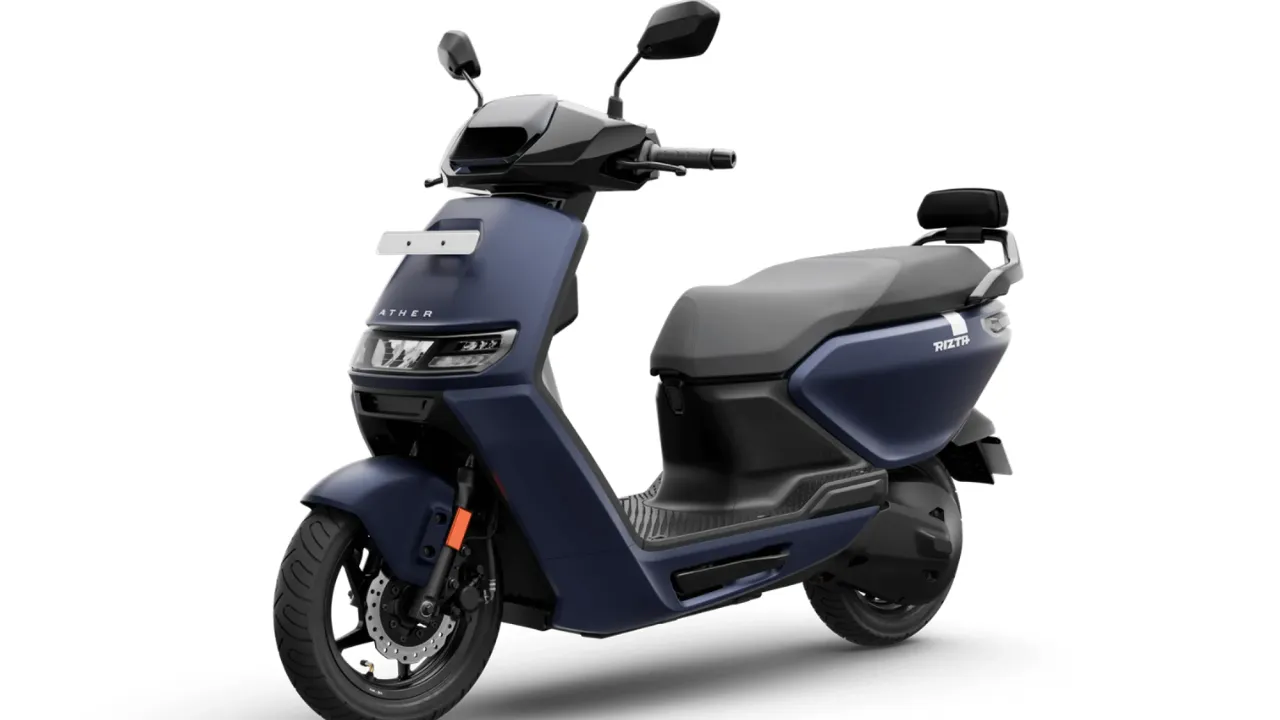
Ather is one of India’s leading electric two-wheeler brands, known for its premium scooters like the Ather 450 series and the more family-oriented Ather Rizta. The company has rapidly expanded its products and charging infrastructure over the past few years, positioning itself as a key player in India’s EV revolution.
Despite being in a competitive landscape that includes traditional OEMs and other EV startups, Ather’s strategy has focused on building a comprehensive ownership ecosystem — including charging networks, accessories, software features, and now insurance offerings.
In its broader strategy, this ecosystem-centric model is designed to:
- Increase customer lifetime value.
- Strengthen brand stickiness.
- Provide value-added services that differentiate Ather from competitors.
What This Means for Investors
Short-Term Market Reaction
The immediate 4% rise in Ather’s share price reflects a positive short-term reaction from markets, as investors interpret the insurance business announcement as a value-accretive strategy.
Stock price movements are influenced by investor sentiment, and strategic expansion into recurring revenue streams typically signals long-term potential.
Long-Term Possibilities
From a longer-term perspective, Ather’s insurance venture could:
- Boost revenue stability.
- Improve profitability metrics as services mature.
- Enhance overall corporate valuation by demonstrating capabilities beyond hardware.
However, financial performance improvement will depend on:
- Successful integration of insurance offerings.
- Adoption rates among Ather owners.
- Regulatory approvals and operational execution.
Regulatory and Operational Notes
The establishment of Ather’s insurance subsidiary is subject to regulatory approvals from bodies such as the Registrar of Companies (RoC) and the Insurance Regulatory and Development Authority of India (IRDAI).
These approvals are necessary for the subsidiary to operate legally as a corporate agent and distribute insurance products. While this process is standard, timelines may vary based on regulatory requirements.
Conclusion: A Measured Yet Strategic Move
Ather Energy’s announcement to enter the auto insurance distribution space represents a measured but strategic expansion beyond vehicle manufacturing. By capturing services linked to the ownership journey, the company is positioning itself for long-term resilience and broader market relevance.
The share price uptick following the announcement underscores investor optimism around this diversification. For customers, this development promises an easier, more integrated insurance experience. For investors, it signals Ather’s ambition to evolve into a comprehensive EV ecosystem provider rather than just a scooter maker.
As regulatory approvals progress and the insurance business takes shape, this could be a notable chapter in Ather’s growth story — one that could help strengthen its brand, revenue diversification, and market position in India’s rapidly growing electric mobility landscape.
Also Read: ED Raids Anurag Dwivedi After Dubai Wedding! – Logic Matters