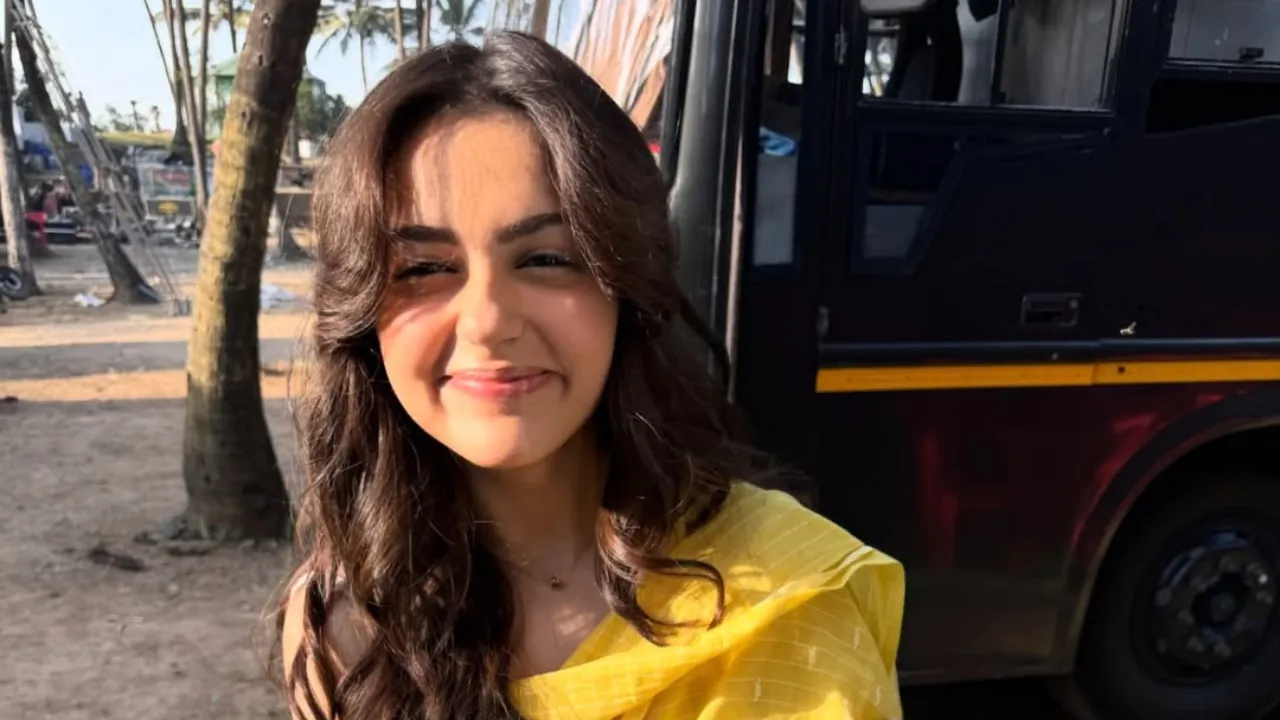
Nivetha Thomas slams AI images using her likeness as unlawful — what happened and why it matters
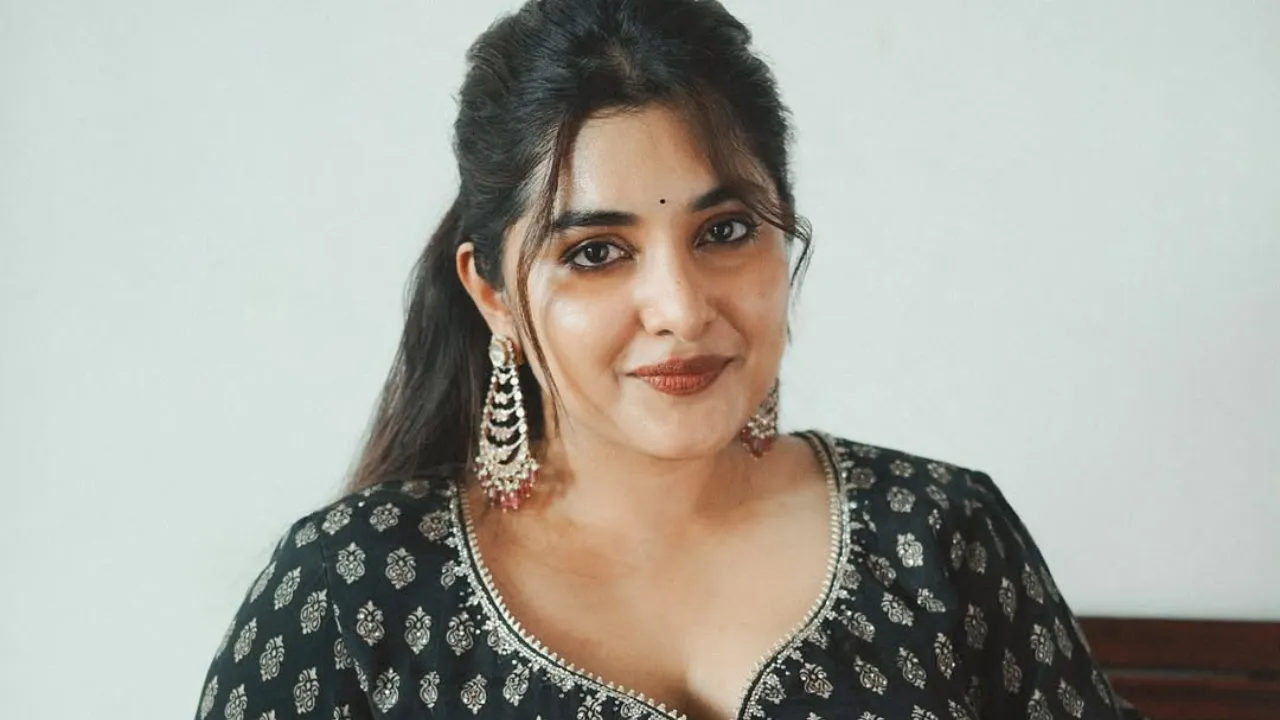
Nivetha Thomas has joined a growing list of celebrities speaking out against the misuse of artificial intelligence to create fake images that use their faces or photographs without consent. The actor publicly flagged manipulated visuals circulating online and called the practice “deeply disturbing,” “unacceptable,” and unlawful — warning that she may pursue legal action against those responsible.
Below is a clear, practical, and up-to-date breakdown of the incident, why it matters for privacy and safety, and what steps people can take if they encounter similar fake AI content.
What Nivetha Thomas said about the AI images
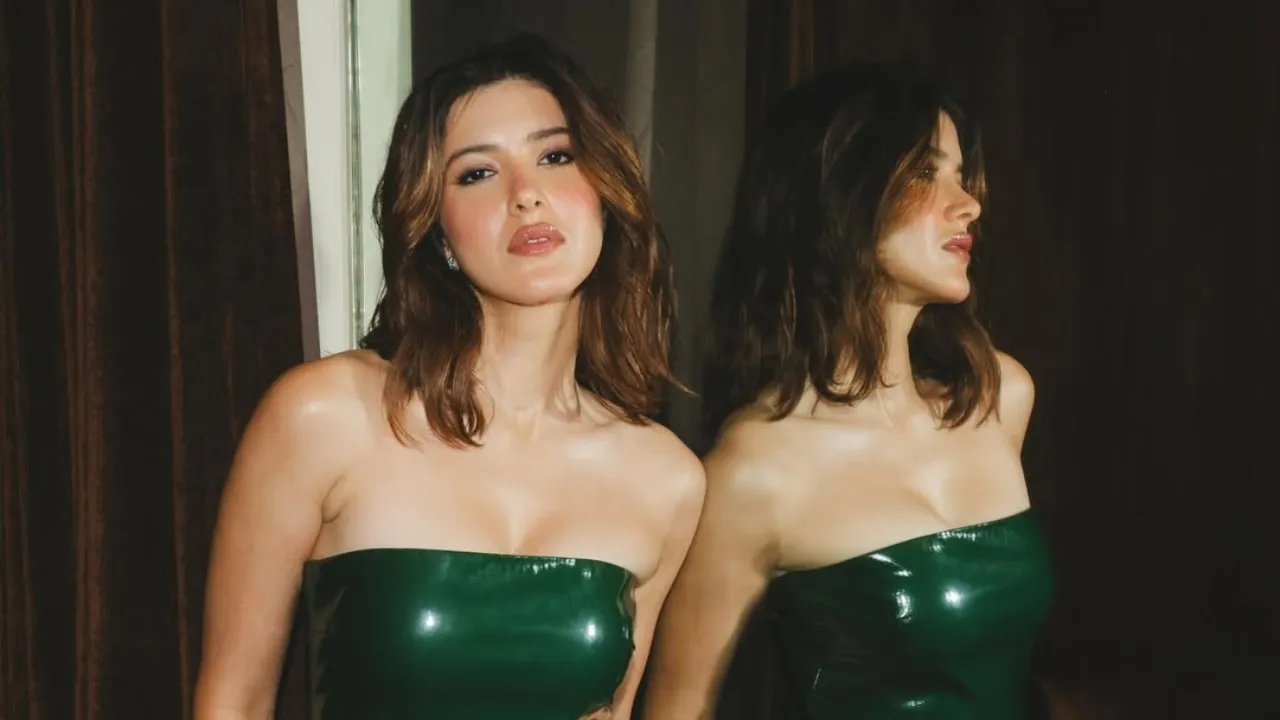
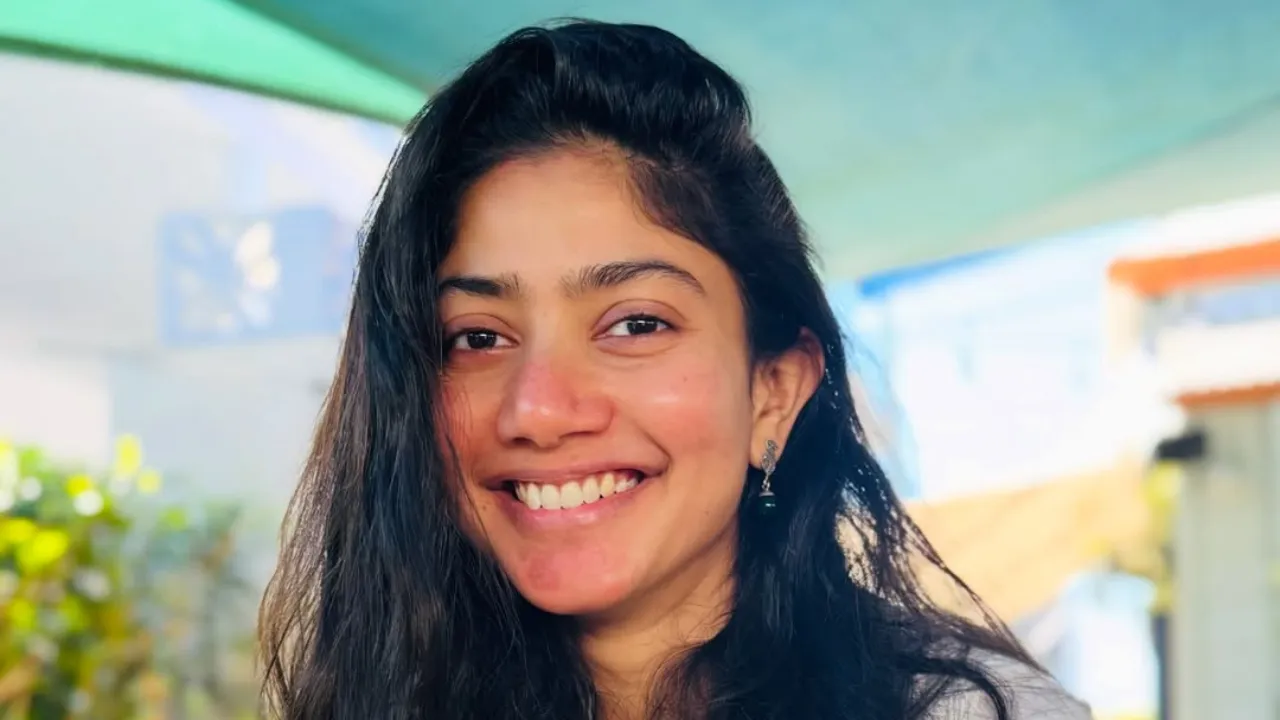
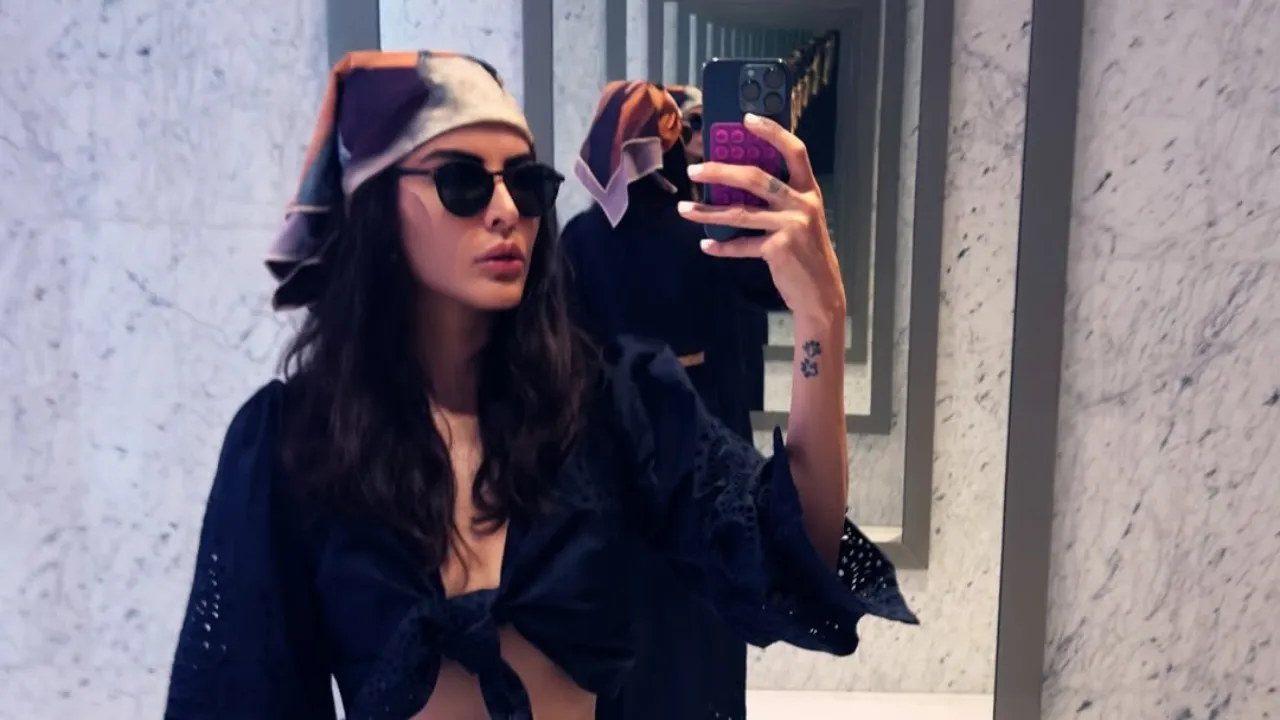
Nivetha Thomas took to social media to alert fans and the wider public after discovering AI-generated images that used her likeness alongside a recent photograph she had posted. She described the circulation of those images as a form of “digital impersonation” and a serious invasion of privacy, adding that creating and sharing such content without consent is unlawful. She urged people not to share the visuals and warned of possible legal action.
Why the actor’s response matters
Nivetha Thomas’s reaction is important because it highlights two linked trends: (1) the speed at which deepfakes and AI-fabricated visuals can spread on social platforms, and (2) the growing readiness of public figures to push back publicly and legally. Her statement joins similar warnings from other actors and signals rising awareness — and intolerance — of this kind of misuse.
How these AI images are made (in simple terms)
Most of the AI images causing concern are produced using deep learning models that learn from large image datasets. A face or photo of a person can be blended, altered, or fully synthesized to create an image that looks real but wasn’t actually taken that way.
Because these models can be fed a single real photo and then generate many fake variants, it’s relatively easy for bad actors to produce realistic-looking images that misrepresent someone’s appearance, clothing, or context. This is exactly the kind of misuse Nivetha Thomas warned against.
The legal angle: is creating or sharing AI images unlawful?
Short answer: it can be — depending on jurisdiction and how the image is used.
In many places, using someone’s likeness without permission — especially in ways that defame, sexually exploit, or commercially benefit from the image — may violate privacy, publicity rights, or anti-harassment laws. Recent court rulings and celebrity legal actions show that courts are beginning to take unauthorized AI misuse seriously. Nivetha Thomas’s warning that she could pursue legal remedies follows this broader legal trend.
What to do if you see a fake AI image of a public figure (or yourself)
If you encounter manipulated images similar to the ones Nivetha Thomas called out, here’s a practical checklist:
- Don’t share or repost the image — amplification is the main reason these visuals gain traction. Nivetha Thomas explicitly urged netizens not to circulate the content.
- Take screenshots and save URLs as evidence. Preserve timestamps and the source platform’s page — useful if legal steps become necessary.
- Report the post to the social platform (X/Twitter, Instagram, Facebook, TikTok, etc.). Most platforms now have reporting flows for manipulated media or impersonation.
- If the image uses your own likeness and causes harm, consider contacting a lawyer who specialises in privacy, defamation, or intellectual property. Legal advice is contextual, so get counsel for your jurisdiction.
- If you’re a public figure, coordinate with your PR team or legal counsel before issuing public statements. Nivetha Thomas’s firm public stance is an example of a quick, clear response to prevent normalization of misuse.
What platforms and policymakers are doing
Social platforms have introduced tools and policies to flag or remove deepfakes and manipulated media, but enforcement and detection remain inconsistent.
Meanwhile, courts and governments are slowly adapting: some recent rulings and petitions have aimed at blocking websites or forcing removals of AI-manipulated content. High-profile legal wins show a pathway for accountability, but gaps remain in enforcement and in laws that specifically target AI misuse. Nivetha Thomas’s statement adds public pressure for faster action from platforms and regulators.
Why this is not just a celebrity problem
While headlines often focus on actors like Nivetha Thomas, the underlying risk touches ordinary people too. AI-generated impersonations can be used for scams, harassment, reputation damage, or even to influence public opinion. Women and public-facing individuals are often targeted disproportionately, making awareness and platform accountability essential.
Final takeaway: respect, report, and resist
Nivetha Thomas’s firm warning — that creating and circulating AI images of someone without consent is disturbing and unlawful — is a timely reminder that technology’s benefits don’t remove basic responsibilities toward other people’s privacy and dignity. If you see manipulated images, don’t spread them. Report to the platform, save evidence, and seek legal or professional help if you’re directly affected. Collective vigilance and stronger platform policies are the best short-term defenses while laws and detection tools catch up.
Also Read: Nidhhi Agerwal Mobbed — Disturbing Video Goes Viral! – Logic Matters