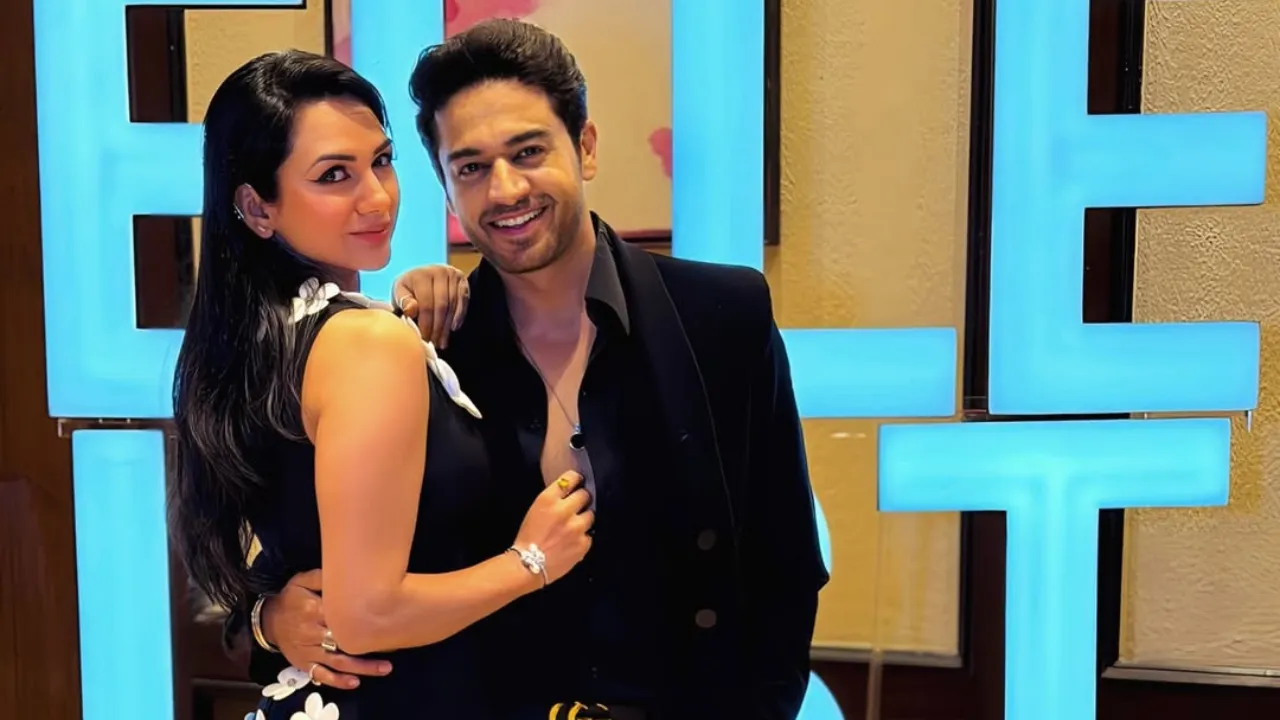
Tisca Chopra almost got divorced while directing her first film Saali Mohabbat. Here’s why
Tisca Chopra’s move from acclaimed actor to first-time director has been one of the most talked-about shifts in Indian cinema this season. Her debut feature, Saali Mohabbat, which premiered on ZEE5, has drawn attention not just for its gripping story and performances, but for the candid behind-the-scenes revelations the director has shared — including a surprising claim that she and her husband “almost got divorced” while developing the film. Here’s a clear, factual look at what happened, why it mattered to the film, and what viewers should know about Tisca Chopra’s directorial debut.
Why Tisca Chopra’s confession matters
Tisca Chopra’s comment about nearly divorcing during the writing process grabbed headlines because it reveals the emotional cost of collaborative storytelling — especially when collaborators are also life partners.
She and her husband, Sanjay Chopra, co-wrote Saali Mohabbat. According to interviews, their creative approaches clashed: his writing style was described as “robust” while hers leaned toward subtlety. Those differences led to intense arguments and friction during the script phase, which Chopra openly called so severe it put their marriage under strain.
That honesty is important for two reasons. First, it humanizes the filmmaking process: films rarely emerge without conflict. Second, it offers context for creative choices in Saali Mohabbat — the film’s tonal shifts and layered character work appear to be the result of two very different sensibilities negotiating a single vision.
How the creative clash shaped Saali Mohabbat
Tisca Chopra’s direction: subtlety and observation
Tisca Chopra has long been admired as an actor for nuanced, understated performances. As a director, she reportedly brought the same observational eye to the film: attention to small domestic details, emotional undercurrents, and slow-burn tension.
Her approach emphasized mood, character psychology, and the quiet fractures in relationships — qualities that reviewers noticed in early screenings. This explains why parts of the film lean into atmosphere and simmering dread rather than loud plot mechanics.
Sanjay Chopra’s influence: robust plotting and structure
By contrast, Sanjay Chopra’s contribution reportedly strengthened the film’s narrative backbone. His “robust” sense of plotting helped shape the how-dunnit aspects of Saali Mohabbat, adding clarity and momentum where needed.
When two different strengths combine — one focused on mood, the other on structure — the result can be richer, if harder to reconcile during development. That very tension can produce a film that works on multiple levels: emotionally and structurally.
The role of tough choices: why Tisca chose to direct rather than act
In interviews, Chopra also revealed an important production decision: she initially considered acting in her own film but was advised to pick a single role — director or actor — to avoid conflict of focus. She chose direction, a choice that required stepping back from performing to shepherd the entire project. That decision, she said, made the pressure more intense but ultimately allowed her to shape every creative facet of the film.
That pressure helps explain the personal strain she described. Directing a feature for the first time is demanding in ordinary circumstances; doing so while co-writing with your spouse raises the stakes emotionally and logistically.
What critics and audiences are saying about Tisca Chopra’s debut
Early reviews have generally praised Saali Mohabbat for its performances and tonal control. Critics point to the film’s layered writing and the lead actors’ commitment to complex, morally ambiguous characters.
At the same time, some reviews note pacing and tonal shifts — likely traceable to the dual sensibilities that shaped the screenplay. Rather than being a flaw, many commentators framed those shifts as evidence of a collaborative experiment that largely succeeds in holding the film’s uneasy mood together.
What this reveals about collaboration in film
Tisca Chopra’s public admission is a useful reminder: collaboration, especially between people who know each other intimately, can be both a creative asset and a personal risk.
Creative partnerships require negotiation, clear roles, and at times, tough boundaries. Chopra’s experience illustrates that the best creative outcomes sometimes require surviving the friction that precedes them. For viewers, knowing this background adds depth when watching the film — it becomes easier to appreciate the compromises and choices visible on screen.
Takeaways for filmmakers and fans
- Honest collaboration matters. Tisca Chopra’s openness about the strain shows that honesty about creative conflict is possible and even constructive.
- Different strengths can complement. The “yin and yang” of two writing styles can yield a film that’s both emotionally resonant and narratively strong.
- Directing is a full-time job. Chopra’s decision to focus on directing rather than acting is a practical lesson for creatives balancing multiple roles.
- Behind-the-scenes context enriches viewing. Knowing the film’s development story helps audiences read nuance into directorial choices.
Final thoughts: Tisca Chopra’s directorial promise
Tisca Chopra’s transition to director with Saali Mohabbat is notable for its courage and candour. The fact that she admits the process nearly broke her marriage — yet produced a film that’s engaging and critically noticed — speaks to the messy, human heart of creativity.
If anything, that admission only amplifies interest: audiences are curious not just about the film, but about the person behind it. Tisca Chopra has made a statement with her debut: she’s willing to take creative risks, own the fallout, and trust the resulting work to speak for itself. That alone marks the start of an intriguing directorial journey worth following.
Also Read: Radhika Apte’s traumatic debut story shocks fans – Logic Matters