Sreeleela says it’s ‘disturbing and devastating’ to see AI images of her; files police complaint
Why Sreeleela spoke out — the moment that sparked action
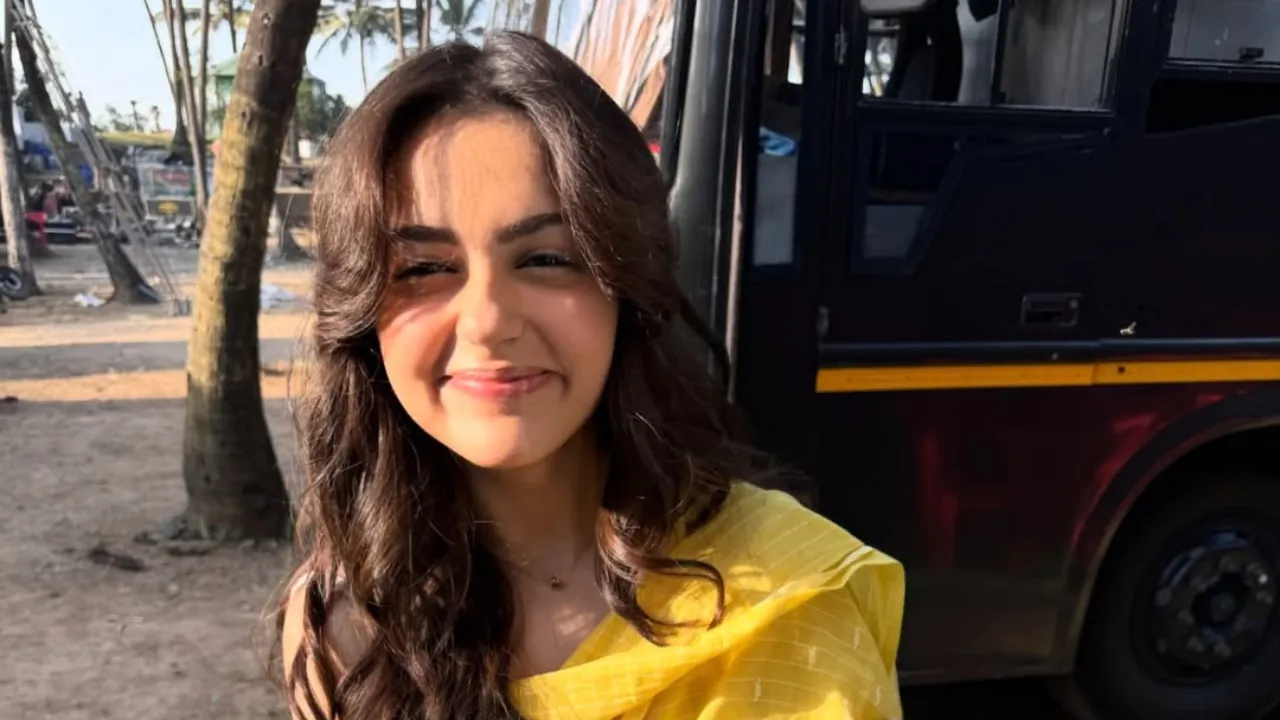
Telugu film actress Sreeleela has publicly condemned the circulation of AI-generated images that falsely depict her. In a social media note shared recently, she described seeing those images as “disturbing and devastating” and confirmed that she has filed a police complaint to seek an investigation and stop further misuse.
Her reaction is part of a growing wave of celebrities and public figures pushing back against manipulated media and deepfakes — content created or altered using artificial intelligence that can misrepresent real people in realistic but fake images and videos.
What Sreeleela actually said — clear, personal, and urgent
In her short note, Sreeleela asked fans and social media users not to share or promote AI-generated “nonsense” that targets individuals. She emphasised the emotional impact such fake visuals have on the people involved and urged platforms and users to act responsibly. News outlets reporting her statement say she was informed about the images recently and promptly approached the police.
This public call is both a personal plea and a warning: when manipulated images spread unchecked, they can damage reputations, cause emotional distress, and even fuel harassment or financial scams.
The legal angle — why filing a police complaint matters
By filing a police complaint, Sreeleela has taken the incident beyond social media outrage and into formal legal territory. A complaint prompts police and cybercrime units to:
- Record evidence and trace the origin of the images.
- Seize devices and accounts linked to creation or distribution.
- Apply relevant cyberlaw provisions that deal with harassment, defamation, and obscene or fraudulent content.
Filing an official complaint also creates a documented trail, which helps if content needs to be taken down from platforms or if civil or criminal action is pursued. Local reports confirm she formally registered the issue with authorities.
How deepfakes and AI images are made — a quick, non-technical primer
Understanding how these fake images appear helps explain why they spread so fast.
AI image tools can synthesize or alter faces using machine learning models trained on large photo collections. With relatively little data, malicious actors can generate convincing fake photos that look like real people in fabricated settings or poses.
Two key features make the problem dangerous:
- Realism — modern models produce images that can fool casual viewers.
- Scalability — once a model is built, many images or videos can be created and shared rapidly.
Because of these traits, even a small piece of manipulated content can quickly go viral and be hard to fully retract.
Why celebrities like Sreeleela are speaking up now
Public figures are frequent targets because fake images generate attention and clicks. When an AI image features a known face, it spreads faster and attracts more engagement than images of unknown people.
Sreeleela’s statement adds to a string of similar complaints by other actors who have expressed alarm about AI misuse. Her public stance helps raise awareness among fans, platform moderators, and policymakers about the real-world harms of synthetic media.
What platforms and users can do — practical steps to limit harm
Stopping deepfakes entirely is a long-term challenge, but immediate steps can reduce damage:
- Don’t share unverified images. Pause before forwarding or reposting images that seem sensational or out of character.
- Report content quickly. Use the platform’s reporting tools to flag AI-generated or manipulated images.
- Preserve evidence. If you’re a target, keep screenshots and links before content is removed — these help law enforcement.
- Platforms must act. Social networks and hosting services should enforce clear policies against manipulated content that harms individuals, and invest in faster takedown workflows.
Sreeleela’s appeal to fans to “stop promoting AI abuse” highlights how individual choices — not just tech fixes — are essential in slowing the spread.
Advice for anyone targeted by AI-generated content
If you or someone you know faces similar misuse, consider this checklist:
- Document the posts (screenshots, URLs, timestamps).
- Report to the platform and request takedown under impersonation or harassment rules.
- File a police complaint or cybercrime FIR if the content is threatening, defamatory, or sexual in nature.
- Contact platform safety teams and, if needed, legal counsel experienced in cyberlaw and reputation protection.
- Communicate carefully with your audience — public statements can reduce circulation but should be measured and backed by evidence.
Sreeleela’s choice to involve the police is a useful model for others who want formal redress and a route to possible legal action.
Broader implications: ethics, legislation and education
Sreeleela’s case underscores three bigger needs:
- Clear laws and enforcement. Many jurisdictions are still adapting cyberlaw to handle synthetic media. Faster, clearer legal remedies for victims are needed.
- Platform responsibility. Social networks must combine detection tools with human review and faster removal for harmful content.
- Public literacy. Users should be trained to spot manipulation and think critically before sharing.
The combination of legal action, platform controls, and educated users will be the most effective defense against future misuse.
Final takeaway — why Sreeleela’s response matters
When Sreeleela called the AI images “disturbing and devastating” and lodged an official complaint, she did more than defend herself — she helped spotlight a growing digital threat that affects ordinary people as much as celebrities. Her stand is a reminder that technology without ethical guardrails can ruin lives, and that victims have options: speak up, document, report, and pursue legal remedies.
If you care about responsible online behaviour, the simplest useful act is to stop sharing images whose authenticity you can’t confirm. That small choice helps protect people like Sreeleela — and could protect you or someone you know tomorrow.
Also Read: Shalini Passi trends after luxury bag moment – Logic Matters