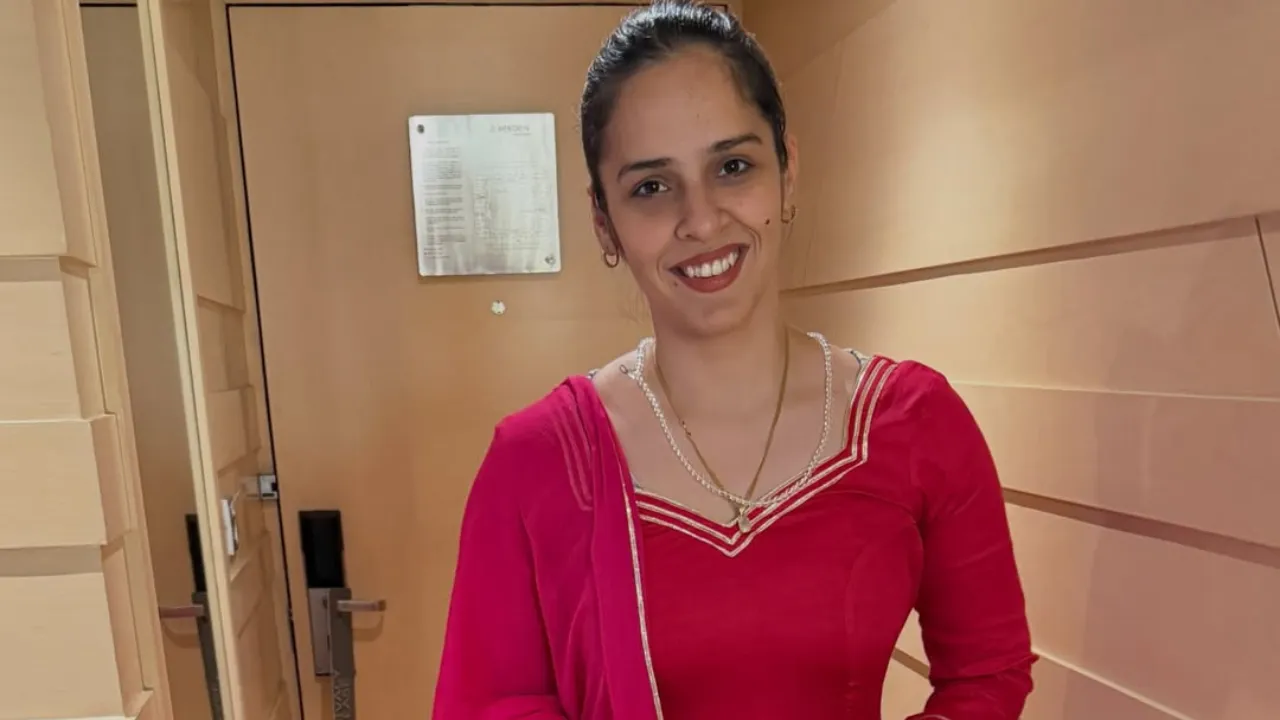
Journalism has taken a hit: Mehreen Pirzada on marriage rumours
Mehreen Pirzada has recently broken her silence on widespread marriage rumours that have been circulating about her for years. The actress took to social media to call out false reports, misinformation and even tampering with her public profiles — and she did not mince words. Her reaction has reopened an important conversation about responsible reporting, verification and the toll that unverified gossip takes on public figures.
Mehreen Pirzada denies the rumours — here’s what she said
When rumours resurfaced claiming Mehreen Pirzada had secretly married a businessman, the actor opted for a direct response. She stated clearly that she is not married to anyone and that the claim was baseless. Mehreen also emphasised that any major personal announcement would come from her first — not from anonymous or paid news items.
Her post was sharp and pointed. Mehreen wrote that she had remained quiet for nearly two years but felt compelled to speak up because the misinformation and harassment had become constant. She expressed frustration with how easily false narratives can spread and what that does to a person’s privacy and peace of mind.
“Journalism has definitely taken a hit” — the wider meaning
Mehreen’s comment — “journalism has definitely taken a hit when it comes to stupid paid articles” — is more than a complaint about a single story. It’s a critique of trends that have grown with the digital news economy: click-driven headlines, anonymous sources on social platforms, and content that’s recycled without verification. When entertainers are treated as content fodder rather than people, false stories travel fast and corrections rarely get the same visibility.
This isn’t just an industry problem; it affects readers too. Regular exposure to sensational but incorrect reporting trains audiences to accept rumours as facts. That dynamic damages public trust in journalism and makes it harder for credible outlets to break through with well-sourced reporting.
How the misinformation spread: Wikipedia edits and paid content
Part of the confusion surrounding Mehreen Pirzada’s alleged marriage involved edits to online platforms. According to reports, her Wikipedia page and other public profiles were tampered with, and those edits helped fuel new articles and social posts that repeated the claim. Manipulating public profiles — even briefly — can cascade quickly into wider coverage, especially when outlets rely on surface-level checks.
Paid or sponsored content masquerading as news compounds the problem. When outlets publish unverified stories — whether for traffic or for money — the usual safeguards of fact-checking and source confirmation are bypassed. As Mehreen pointed out, when such pieces are circulated widely, the harm is real: reputational damage, invasive messages, and emotional distress.
Why Mehreen’s response matters — more than a celebrity rebuttal
On the surface this looks like a celebrity setting the record straight. But there are several deeper implications:
- Control over personal narrative: Public figures often lose control of their personal stories. When an actor like Mehreen speaks directly to her audience, she reclaims that control and pushes back against dishonest narratives.
- Accountability for publishers: Calling out specific articles and methods—like paid reporting or fake edits—demands accountability. Readers and platforms can use these moments to question how content is verified.
- Awareness for fans and public: A clear denial helps end speculation and reduces harassment. It also raises awareness among fans about how rumours spread so they can avoid being conduits for falsehoods.
Practical steps journalists and platforms should consider
Mehreen Pirzada’s public response is a prompt for change. Here are concrete measures media organisations and platforms can adopt to reduce similar incidents:
- Stronger verification standards: Before publishing personal claims about private lives, verify with primary sources — the person involved, their representative, or official records.
- Clear labelling of sponsored content: Sponsored or promotional content should be explicitly labelled, and outlets must avoid packaging gossip as news.
- Rapid correction policies: When errors occur, corrections should be prominent and reach the same audience that saw the original claim.
- Audit trails for profile edits: Platforms like Wikipedia could make recent edits more visible in trending situations and allow easier rollback when edits are obviously malicious.
- Digital literacy for readers: Media literacy initiatives can help audiences distinguish between verified reports and viral gossip.
These steps aren’t just theoretical — they protect reputations, rebuild trust, and improve the quality of public discourse.
How public figures can handle similar situations
Mehreen’s approach offers lessons for others facing false rumours:
- Respond calmly and factually: A clear, succinct denial can stop speculation faster than repeated denials or long emotional posts.
- Document the misinformation: Screenshots, dates and references to false articles help when asking platforms or outlets to remove or correct content.
- Use your official channels: Announcements through verified social accounts or official spokespeople reduce confusion. Mehreen reiterated she would announce personal milestones herself.
The takeaway: trust, verification and respect
Mehreen Pirzada’s reaction to the marriage rumours is a reminder that the media ecosystem needs repair. The rapid spread of unchecked stories harms individuals and erodes public trust in journalism. If outlets and platforms recommit to verification, transparency and accountability, instances like this will diminish.
For now, Mehreen has laid the matter to rest publicly: she is not married, she will announce any such news herself, and she’s called attention to a worrying trend in coverage. Her position is straightforward — and it’s a call for better journalism, not just better headlines.
Also Read: Shilpa Shetty, Raj Kundra charged in ₹60 crore fraud – Logic Matters