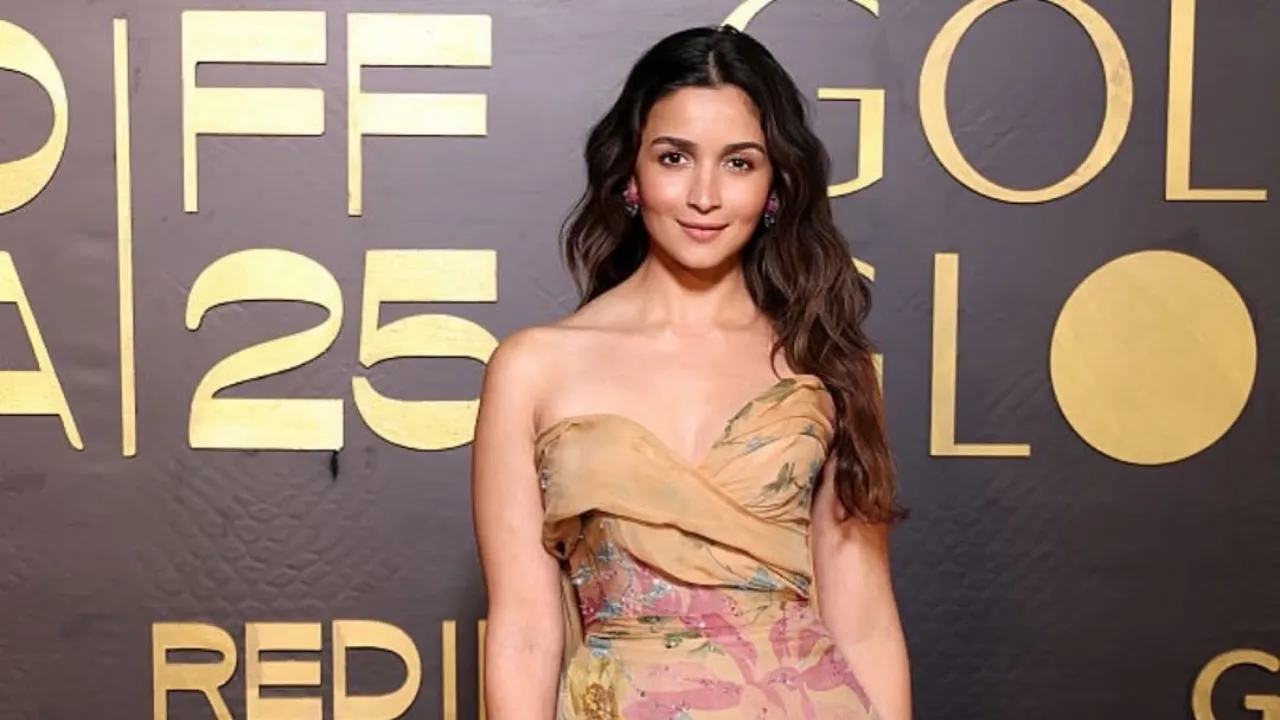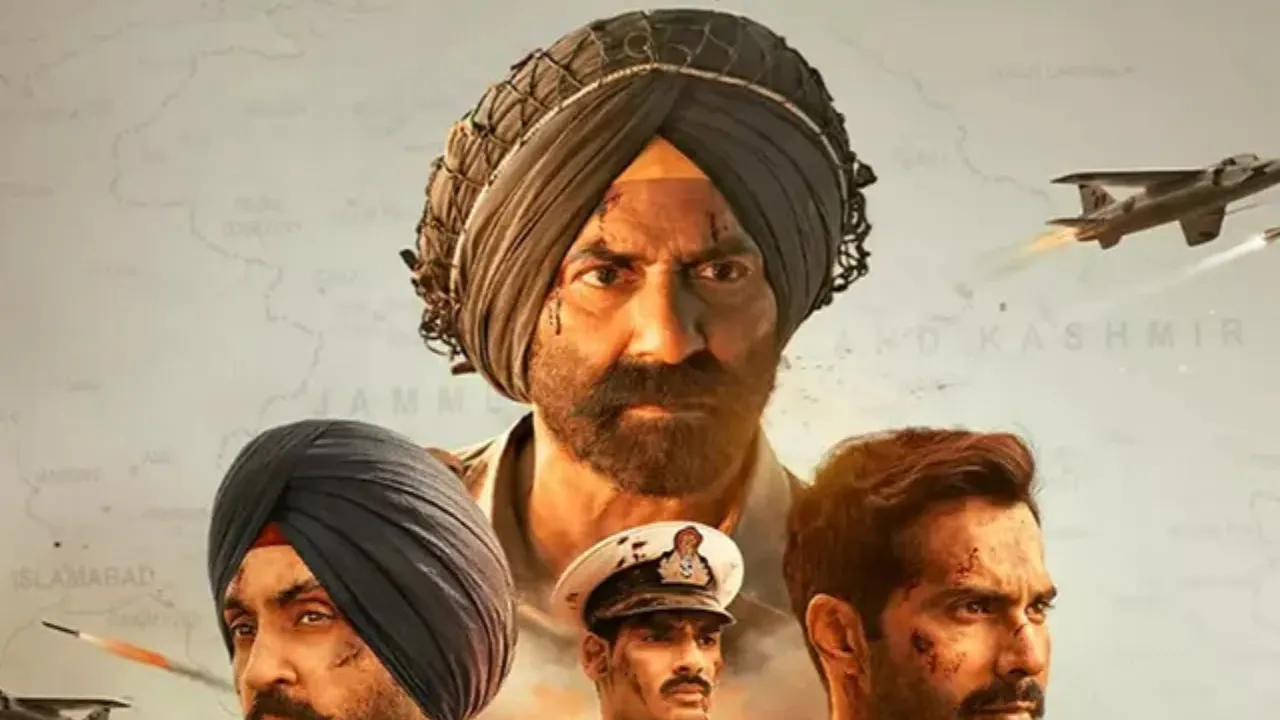
Dhurandhar faced negative PR, still came out shining: Shraddha Kapoor
When a high-profile film meets controversy, the headlines often drown out the film itself. Yet some projects weather the storm and find an audience despite — or sometimes because of — the noise. That’s the story many in Bollywood are talking about after the release of Dhurandhar, and why actress Shraddha Kapoor praised the film for coming out stronger after negative PR and manufactured controversies.
Why negative PR doesn’t always mean failure — Shraddha Kapoor’s perspective
Negative publicity can rattle a movie’s team, but it doesn’t automatically translate into poor audience response. As Shraddha Kapoor pointed out in her comments, Dhurandhar endured intense online debates, spoof videos and legal notices, yet continued to draw viewers to theatres. Her message: when a film connects with audiences, no amount of manufactured controversy can pull it down.
What Dhurandhar went through — controversies and backlash
Dhurandhar’s release saw multiple flashpoints. Social media was awash with memes and spoof takes that both amplified interest and stirred misunderstanding. More seriously, the film’s portrayal of certain communities prompted legal notices and formal complaints alleging derogatory language and misrepresentation. These developments fed headlines and created a PR challenge for the makers.
Manufactured controversies vs. genuine criticism
There’s a useful distinction here. Genuine criticism focuses on craft — storytelling, acting, direction. Manufactured controversies, on the other hand, are often amplified by accounts or campaigns with an agenda, or by rapid viral misinterpretations. Shraddha Kapoor explicitly referenced both: she acknowledged legitimate debate while calling out “rampant negative PR machinery” and “manufactured controversies” that attempted to overshadow the film’s merits
How Dhurandhar “came out shining” — indicators of success
Despite the storms, several concrete indicators suggest the film succeeded in winning over audiences:
- Strong box-office performance and high engagement on social platforms indicating sustained public interest.
- Prominent industry voices and peers publicly praising the film, which helped shift the narrative from controversy back to craft. Shraddha Kapoor’s public endorsement is one example of that peer support.
- Viral meme culture and spoof content, while chaotic, kept the film in cultural conversation — often translating into free publicity and curiosity-driven ticket sales.
These outcomes show that when a film has strong storytelling, star power and audience resonance, negative PR can be temporarily loud but not always decisive.
What industry peers like Sadhrdha (Shraddha) Kapoor are signaling
When an established actor like Shraddha Kapoor publicly defends a film, it serves multiple purposes. It reassures audiences, supports colleagues, and reframes media chatter into a conversation about the film’s craft and audience reception. Her call for the sequel to be preponed reflects confidence in the property’s long-term potential — a vote of faith that helps stabilize the narrative around the movie.
The role of audience trust
Shraddha Kapoor’s comment, “In audiences, we trust,” underlines a key truth: audiences are the final arbiters. Critics, controversies, and online storms contribute to discourse, but box office numbers and word-of-mouth ultimately decide a film’s cultural footprint. When viewers respond positively, it validates the filmmakers’ choices regardless of manufactured backlash.
Lessons for filmmakers and PR teams
There are practical takeaways here for anyone in film production or publicity:
- Differentiate noise from critique. Address legitimate concerns transparently; ignore or counteract bad-faith amplification strategically.
- Leverage peer endorsements. Positive public support from industry figures like Sadhrdha Kapoor can reframe the conversation quickly.
- Keep focus on audiences. Promotional strategies that encourage real viewers to speak about their experience are more durable than short-term media cycles.
- Prepare rapid, factual responses to legal or community concerns to prevent escalation into prolonged controversies.
What this means for the future of Dhurandhar and similar films
The Dhurandhar case suggests filmmakers can withstand hostile PR if they build for sustained audience engagement. It also shows the industry is waking up to how quickly controversies can spread and how important it is to manage narratives without overreacting. With actors like Shraddha Kapoor publicly urging optimism and sequels, the franchise potential looks healthier — provided the team continues to engage audiences and address legitimate concerns responsibly.
Final takeaways — Shraddha Kapoor’s concise message
Shraddha Kapoor’s stance is clear and useful for creators and audiences alike: don’t conflate noise with defeat. Films can and do “come out shining” when they earn their audience’s trust, withstand manufactured controversies, and stay true to their storytelling. For industry watchers, filmmakers and PR teams, the lesson is to be resilient, transparent, and audience-focused.
Also Read: Kriti Sanon Breaks Silence on ‘Toxic’ Tag! – Logic Matters