Angelina Jolie reveals mastectomy scars for the first time on Time magazine cover
Angelina Jolie has once again used her public platform to center a private, personal topic: the physical reminders of her preventive double mastectomy. In a photoshoot and interview for the inaugural issue of TIME France, the actor showed her mastectomy scars publicly for the first time and explained why she chose to do so now. The move has reignited conversations about breast-health awareness, genetic testing and the importance of access to screening.
Why Angelina Jolie chose to reveal her scars now
A deliberate choice to build solidarity
Jolie says this was a conscious decision rooted in solidarity. In her interview she explained that she “shares these scars with many women I love” and that seeing other women show their scars moved her to join them. She framed the images not as a spectacle but as a way to center information about breast health, prevention and access to care—topics TIME France plans to highlight in the issue.
Context: a preventive surgery and long public advocacy
For readers unfamiliar with the timeline: Angelina Jolie publicly disclosed in 2013 that she carried a BRCA1 gene mutation and elected a preventive double mastectomy to reduce her cancer risk. She later had her ovaries and fallopian tubes removed. Jolie’s 2013 and subsequent essays pushed public conversations about genetic testing and preventive care, known in some circles as the “Angelina effect” for the uptick in screening and referrals that followed her disclosure. Her new cover images connect back to that long-standing effort to normalize informed medical choices.
What the TIME France shoot shows
Subtle, powerful imagery
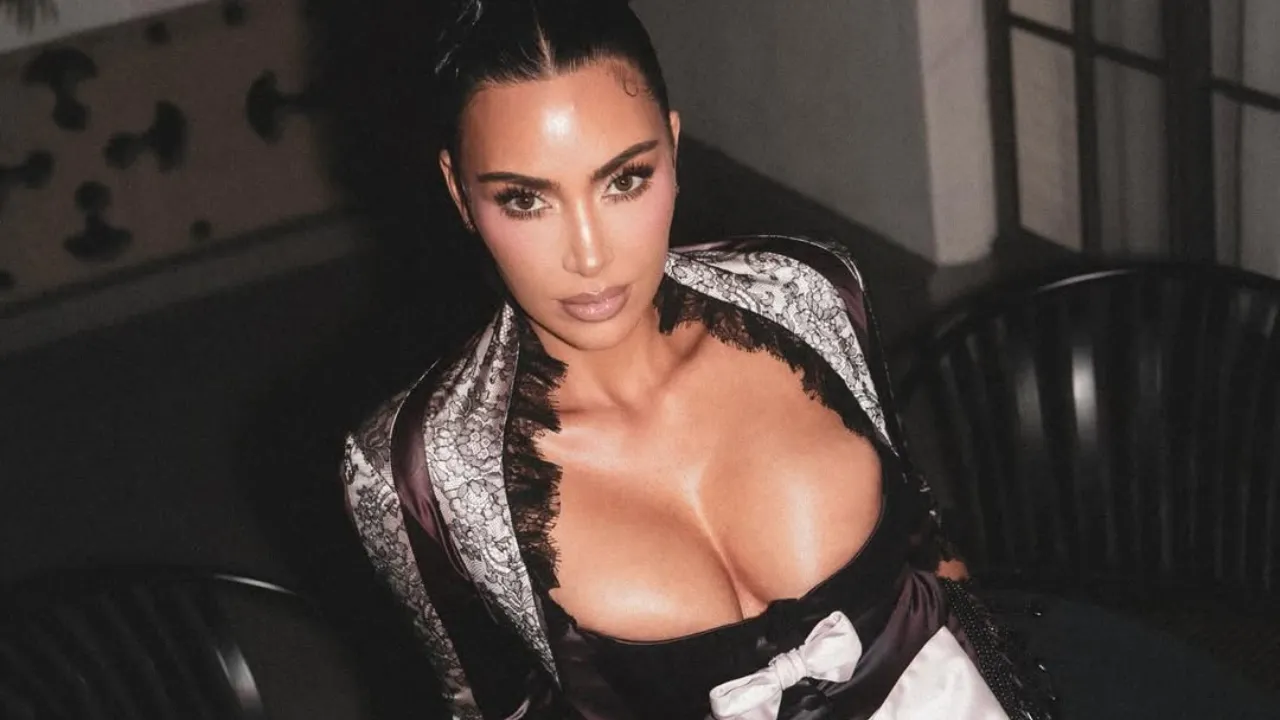
The photographs—shot by Nathaniel Goldberg—are restrained and intimate. The cover shows Jolie in a low-cut top, with scars visible but not sensationalized. Additional monochrome and softly lit images accompany the interview, creating a reflective mood rather than a dramatic reveal. The visual tone supports her stated goal: to center information and empathy rather than shock.
Tone of the interview: personal and practical
Alongside the imagery, Jolie speaks plainly about why she made the choices she did: the loss of her mother, Marcheline Bertrand, to cancer at age 56 played a central role in her decision-making. But she also stresses that healthcare decisions are intensely personal and that her intention in sharing is to help others make informed choices—not to prescribe one path for everyone. She emphasizes the need for affordable, accessible screening and genetic testing regardless of geography or income.
Why this matters: beyond celebrity disclosure
Visibility reduces stigma and increases access
When a high-profile figure like Angelina Jolie makes visible a body altered by preventive surgery, there are effects that reach beyond headlines. Her 2013 disclosure correlated with measurable increases in genetic testing referrals in multiple countries; visibility can prompt people to seek information, ask questions of their doctors, and make choices with better data. The new cover has the potential to remind policy makers and health organizations that access—financial and geographic—remains unequal.
It reframes the conversation about survivorship and identity
Jolie’s message also pushes back against narratives that equate illness or surgical scars with diminished identity. She has said previously that these medical decisions did not make her feel “less of a woman” and that reclaiming choice is empowering. The TIME France images extend that message visually: scars are shown matter-of-factly, as part of a life and a body lived in full.
What experts and advocates are likely to note
Focus on education and screening infrastructure
Medical advocates will likely point to Angelina Jolie’s call for broader access to BRCA testing and breast-health education. Screening is useful only when paired with affordable follow-up care, genetic counseling, and accurate information. Public awareness moments can be catalysts, but sustainable change requires investment in infrastructure and training.
The importance of nuance in public messaging
Advocates also caution that celebrity stories should be framed carefully. Preventive mastectomy is one option among many; genetic risk, family history, and personal values determine the right path for an individual. Jolie herself reiterated that she does not expect everyone to make the same choice—only that people have access to the information needed to decide. That consistent nuance is essential in reducing fear and promoting truly informed consent.
What readers should take away
Practical steps and resources (brief)
If Jolie’s cover prompts you to act, here are practical next steps:
- Speak with your primary care doctor about your family history of cancer.
- Ask whether genetic counseling or BRCA testing is appropriate for you.
- Look for community clinics, public health programs or nonprofit resources that offer low-cost screening.
- Remember that prevention and treatment decisions are personal—seek balanced medical advice, not pressure.
A final note on visibility and choice
Angelina Jolie’s decision to reveal her mastectomy scars on TIME France’s debut cover is less about celebrity spectacle and more about visibility that opens space for conversation. By making scars visible in a thoughtful, information-centered context, she’s leveraging attention to keep public focus on prevention, access, and the dignity of individual choice. For many women and families, that renewed attention can translate into questions, support, and—hopefully—action that improves access to care.
Also Read: Saif Ali Khan Says He Was Jealous of Kareena’s Co‑Actors! – Logic Matters