What is the meaning of 9 in the viral FA9LA Song from Dhurandhar?
The FA9LA Song from the film Dhurandhar exploded across social media in December 2025. Its catchy Gulf-flavoured beat, Akshaye Khanna’s on-screen swagger and a single strange character — the numeral 9 in the title — got people asking: why a number? Is it a code, a cryptic message, or just a styling trick? This piece decodes the mystery, explains what the track actually means, and why the FA9LA Song became a viral sensation.
FA9LA Song: origin and why it sounds different
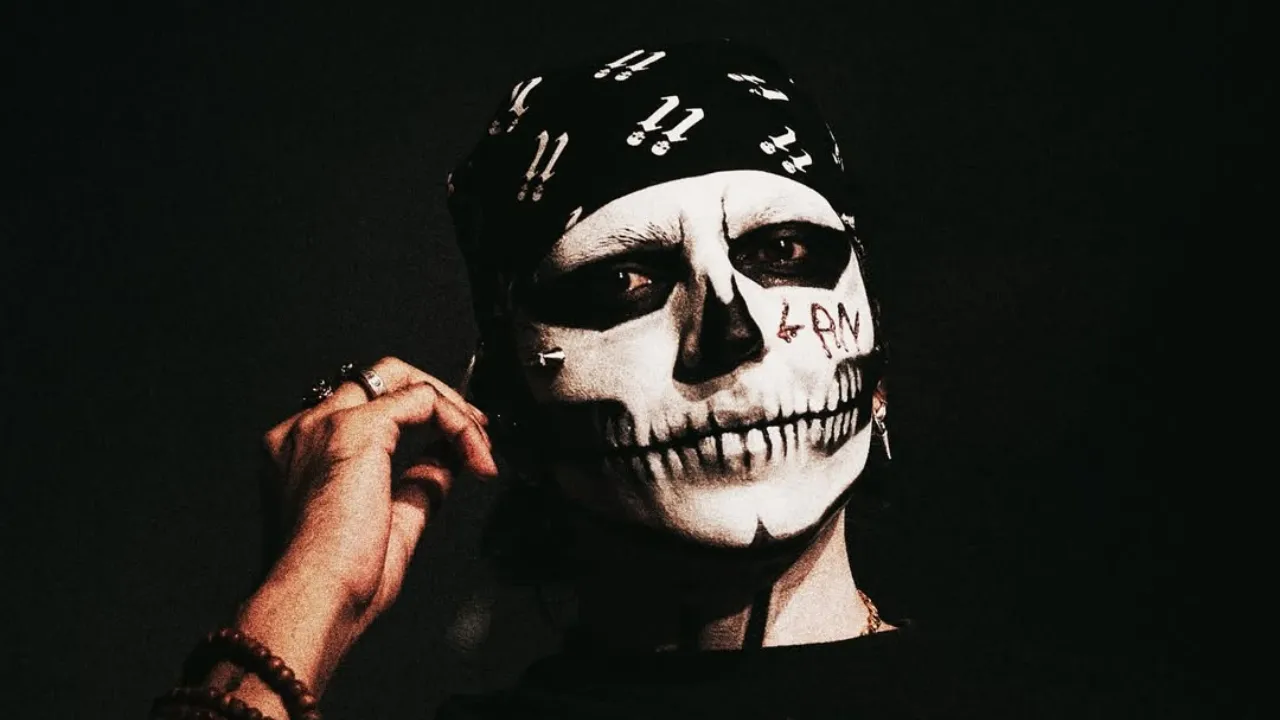
The track in Dhurandhar is performed by Bahraini rapper Flipperachi (also credited in some places as Flipperachi / Flipper Rachi) with music by DJ Outlaw. It’s not a Hindi track — it’s built from Gulf-Arabic/Khaleeji rap and uses colloquial regional words that many non-Arabic speakers find hard to sing along to, which ironically boosted its viral appeal. The song was chosen as the entry theme for Akshaye Khanna’s character, and the actor’s performance helped the clip spread quickly on reels and short videos.
Why non-Arabic speakers still love it
Even when listeners don’t know every word, rhythm and attitude travel fast. The FA9LA Song mixes a danceable beat, punchy delivery and a visual cameo — perfect recipe for short-form platforms. The result: DJs, influencers and moviegoers loop the same few seconds over and over, making the song an earworm beyond language boundaries.
So what does “FA9LA” actually mean?
At first glance “FA9LA” looks odd because Latin letters and a numeral are combined. But that styling follows a common practice in online Arabic transliteration called Arabizi (also spelled Arabish or Arabglish), which uses numbers to represent Arabic sounds that don’t exist in the Latin alphabet.
In Arabizi, the numeral 9 typically represents the Arabic letter ص (ṣād) — an emphatic “s” sound. When you read FA9LA in that system, it’s meant to be pronounced roughly like “Fasla” (with a stronger “s”), and in local Gulf dialects the word is used to signal a vibe of fun, hype or “party time.” In other words, FA9LA ≈ FASLA, and the sense of the track is more about celebration, swagger and party energy than a literal, poetic message.
A quick note on transliteration
Arabizi is not standardized — different writers sometimes use different digits or apostrophes for the same Arabic letters. But the use of 9 for ص is widely understood across Arab-speaking online communities, which explains why the song title uses a numeral: it preserves the Arabic sound while remaining readable on Latin keyboards.
The lyrical meaning: party, energy and attitude
If you dig into translations and line-by-line decodings that appeared after the film’s release, the lyrics are essentially a celebration of swagger, dancing and a high-energy social scene — think “keep the music going,” “dance,” “you’re killing it,” and references to the vibe of a lively gathering.
Translators and entertainment outlets have summarized the feel of the song as “fun time,” “party,” or “hype” rather than a deep poetic message. The hook repeats phrases that pump energy into the scene and match Akshaye Khanna’s dramatic, villainous entry on screen. That kinetic, feel-good quality is a big part of why people kept sharing and remixing the track.
Why the numeral landed in the title (beyond transliteration)
There are three practical reasons creators sometimes use numerals in Arabic-to-Latin spellings — and each applies to FA9LA:
- Phonetic clarity: Numbers stand in for Arabic consonants (like 9 = ص) that have no exact Latin equivalent, so the numeral helps readers approximate the correct sound.
- Visual style and branding: A title like FA9LA looks modern and social-media friendly — easy to tag, search and meme.
- Cross-market appeal: Using Latin letters keeps the title accessible to non-Arabic platforms and audiences while the numeral preserves the Arabic phoneme. That helps the song travel fast on global apps.
Common misreadings and pronunciation tips
Many people initially read FA9LA as “FAY-LA” or “F-A-nine-LA.” The cleaner approach is to treat the 9 as a letter: pronounce it Fasla (with a harsher “s” than English). If you want to sing along casually, focus on the rhythm and repeat the hook — native speakers will still enjoy the vibe even if your pronunciation isn’t perfect.
If you’re curious about precise transliteration rules, linguistic guides to Arabizi and Arabic-chat alphabets explain the most common numeric substitutions (3 = ع, 7 = ح, 6 = ط, etc.). These references are helpful if you want to read other Arabizi titles or join online conversations.
What the viral reaction tells us about global music culture
The FA9LA Song case is a neat example of how music moves today: a regional hip-hop track recorded in a Gulf dialect can become a pan-Indian and global earworm once cinema, a memorable on-screen moment and social media converge.
It also shows that language barriers are less of a hurdle when a song supplies strong rhythm, aesthetic and shareability. Audiences now remix, meme and dance to tracks regardless of whether they understand every word — and that’s a powerful route to crossover success for non-English music.
Quick takeaway (for fans and creators)
- FA9LA Song = read it as Fasla; the 9 stands for the emphatic Arabic “s” (ص).
- The track is a Gulf-Arabic rap by Flipperachi, produced to back a striking film entrance, and its meaning centers on party energy and swagger rather than deep lyricism.
- The use of numerals (Arabizi) helps non-Arabic readers approximate sounds and gives titles social-media friendliness.
Want to learn more?
If you liked this breakdown, try these small next steps:
- Listen to the full song with subtitles or line translations to get the literal phrasing. (Many lyric sites and entertainment outlets published translations after the film released.)
Also Read: Alia Bhatt Wins Golden Globe Honour in Jeddah! – Logic Matters