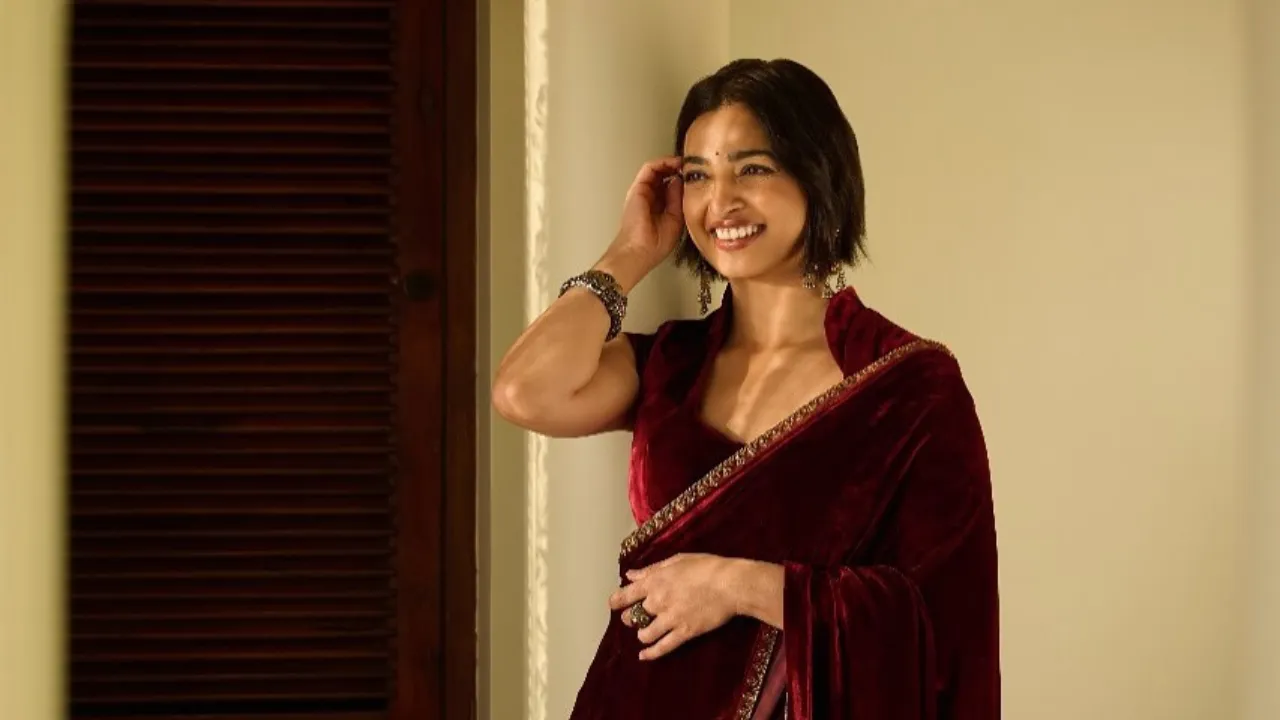
Won’t bring a child into a world selling violence as entertainment: Radhika Apte
Radhika Apte has become one of Indian cinema’s most thoughtful voices in recent years — not just for her acting choices but for the way she talks about what stories should (and shouldn’t) do. In a recent interview she said she’s “deeply disturbed” by the spike in graphic violence being packaged as entertainment, and added that she cannot imagine raising a child in a world where such brutality is normalized on screen.
This piece breaks down what Radhika Apte said, why her comments matter, and what the debate reveals about storytelling, audience responsibility, and the creative choices that shape popular culture.
Why Radhika Apte’s comment matters
A known actor speaking up about screen violence
Radhika Apte has built a reputation for choosing complex, often socially aware projects. When a performer with that profile speaks out, it’s not just a personal opinion — it becomes part of a wider conversation about taste, responsibility, and how content shapes social norms. Her recent remarks — that she’s “disturbed” by violence being sold as entertainment — were shared during an interview and quickly picked up by mainstream outlets.
The timing: after parenthood and during a career crossroads
Apte has been on a temporary break from work following the birth of her child, and she’s been candid about rethinking the kinds of films and shows she wants to associate with. That personal context helps explain the emotional tone of her comment: she’s not speaking from theory but from the vantage point of someone thinking about the world her child will grow up in.
What exactly did Radhika Apte say?
Disturbed by gore, skeptical of “shock = storytelling”
Apte made a clear distinction between telling hard, meaningful stories and relying on graphic images for shock. She said she doesn’t need to see “the chopping” or the gruesome detail to convey that a person is violent — that vivid gore is often unnecessary and can feel like spectacle rather than storytelling. That critique targets a creative shortfall: shock for sale, rather than depth.
Not about censorship — about craft and ethics
It’s important to underline that Apte’s point, as reported, isn’t an outright demand for bans or censorship. Instead, she’s challenging creators to think about craft and consequence: how does explicit violence influence audiences, and what responsibility do makers have when graphic content is used primarily to boost viewership? Several interviews framed her remarks as an ethical appeal to fellow artists and producers.
Why the debate is getting louder now
Bigger platforms, louder images
Streaming platforms and big-budget cinema reach more homes than ever, and production values have made graphic scenes disturbingly realistic. That amplifies any societal impact and makes critics like Radhika Apte worry that desensitization or normalization could follow. Media ecosystems now reward visceral moments because they generate buzz, but that dynamic can also lower the bar for meaningful storytelling.
Commercial incentives vs. narrative responsibility
Producers and platforms measure success by engagement metrics. When gore or shock increases clicks, it becomes tempting to escalate. Apte’s critique pushes back on that logic: a story’s power shouldn’t depend on how much bodily harm it displays, but on the emotional and moral architecture that supports the action.
What filmmakers and audiences can take from Radhika Apte’s point
For filmmakers: choose restraint and intention
Great storytelling uses detail selectively. If violence is necessary to a narrative, consider implication over explicitness. Use restraint where possible; let the aftermath and character consequences do the heavy lifting. That’s not only more humane — it’s often more powerful. Apte’s plea is a call to prioritize craft.
For audiences: demand depth, not only spectacle
Viewers steer markets. Actively supporting films and series that treat difficult subjects with nuance — rather than mindless shock — can change what gets financed. Apte’s stance invites audiences to be conscious consumers: choose stories that challenge, illuminate, and respect human dignity.
The practical middle ground
Ratings, content warnings and responsible marketing
Better content labeling and honest marketing help. If a show traffics in extreme visuals, clear warnings let viewers decide what’s right for their households. This is especially important for parents weighing what to show older children and teenagers.
Creators modeling alternatives
Radhika Apte’s own filmography offers an example: she often selects roles with moral complexity rather than cinematic violence for its own sake. The industry can elevate such alternatives by celebrating writing, character depth, and emotional truth in awards and coverage, not just spectacle.
Why this conversation is healthy
It doesn’t ban creativity — it demands responsibility
Debate between free expression and social responsibility is part of art’s long history. Apte’s comment reframes the question: how to preserve creative freedom while avoiding harm through normalization of gratuitous violence. That’s a nuanced, constructive conversation.
A moment for collective reflection
When a respected actor like Radhika Apte speaks up, it invites creators, critics, and audiences to reflect together. The goal isn’t policing taste but encouraging better choices — toward stories that are brave without being barbaric, honest without being exploitative.
Closing: a personal voice calling for a kinder screen
Radhika Apte’s statement — that she doesn’t want to raise a child in a world where violence is sold as entertainment — is both personal and principled. It’s a reminder that movies and shows do more than entertain; they help shape what we accept as normal. Her call is simple: if storytelling is to remain meaningful, creators and audiences must prefer depth and purpose over shock and spectacle.
Also Read: Shakira Tears Up as Sons Join Her Onstage! – Logic Matters