Hira Soomro claims she was cast in Dhurandhar, trolled by users — what happened and why it matters
Hira Soomro — the Pakistani TV actress — recently made headlines after posting pictures and a message claiming she had been cast in the Bollywood film Dhurandhar and later turned the role down because she felt the film was “anti-Pakistan.” The post quickly sparked debate online: many users accused her of faking the claim using AI-edited photos, while others defended her right to step away from a project on ethical grounds. Here’s a clear, fact-checked breakdown of what happened, why people reacted, and what this episode says about AI, social media and cross-border entertainment.
What Hira Soomro posted — the claim and the images
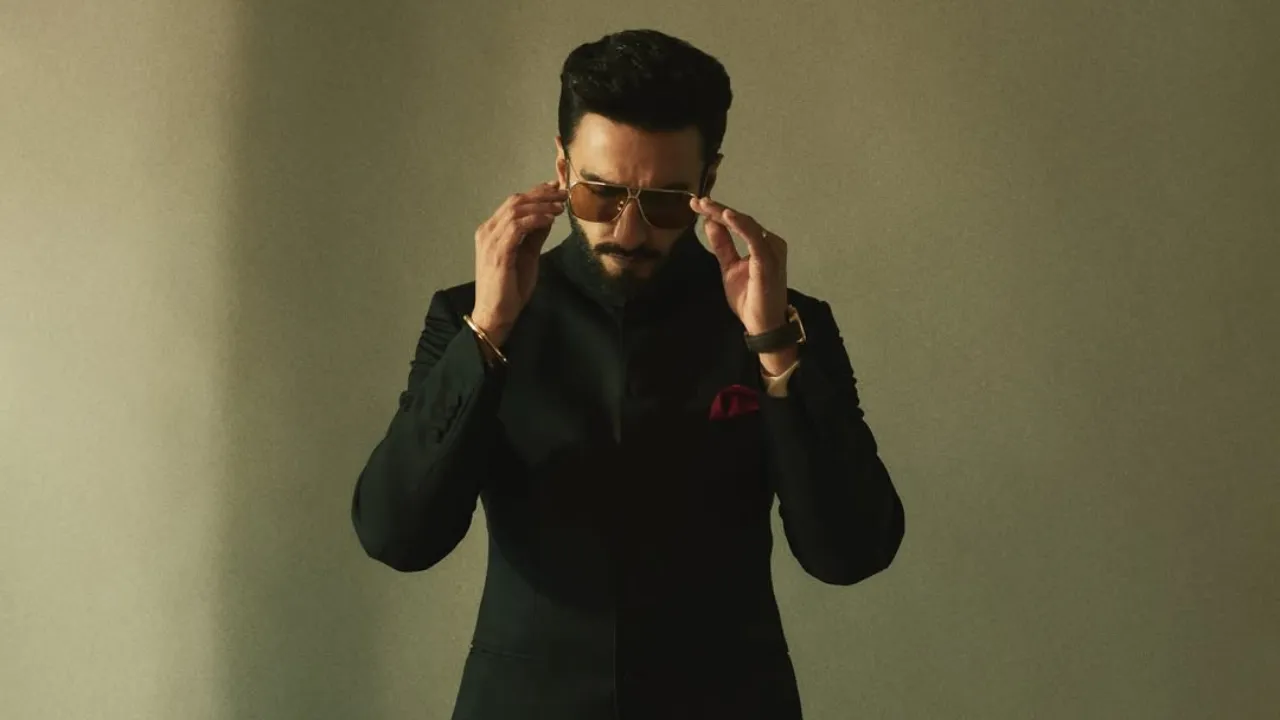
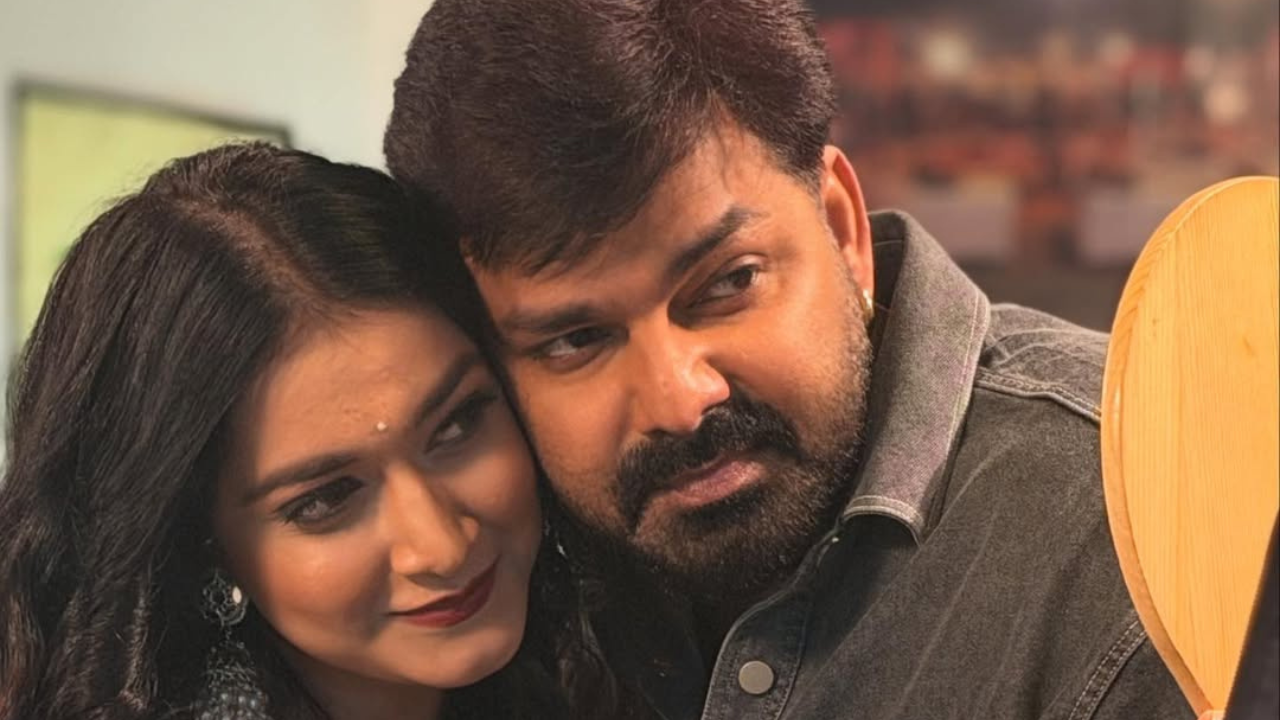
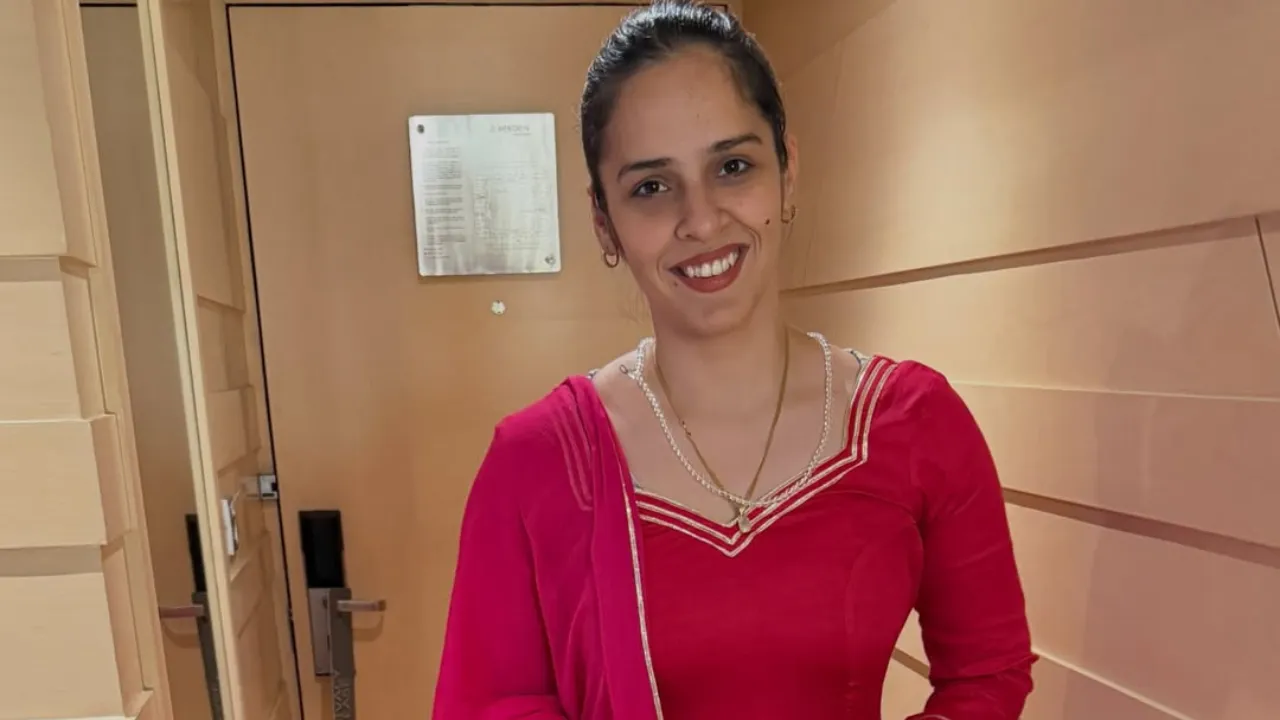
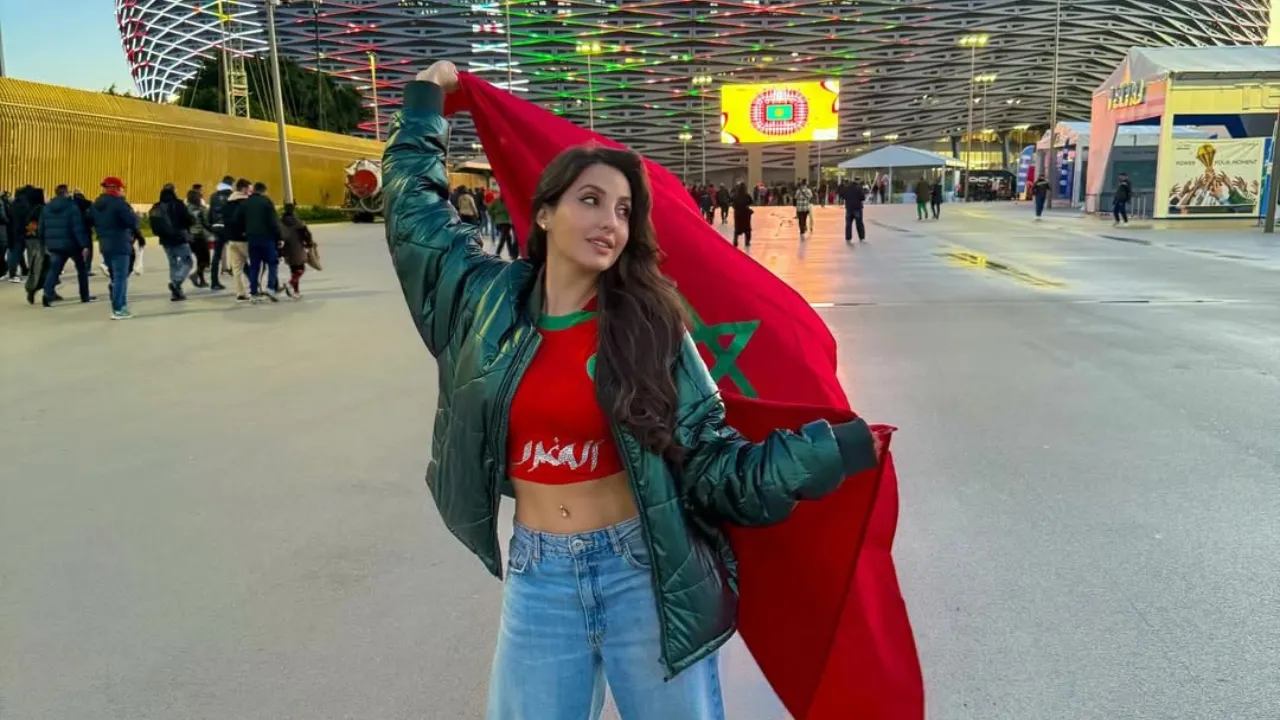
Hira Soomro shared several images on Instagram showing her with Dhurandhar lead Ranveer Singh and captioned the post saying she had been cast in the film but refused the role after realising it was “anti-Pakistan.” The post implied she walked away on principle and also included a short statement expressing national pride. Within hours the images had gone viral — but not for the reason she likely hoped.
Why users were skeptical: the AI angle
Several news outlets and social media users flagged the images as AI-generated. Observers pointed to visual glitches and inconsistencies common in many AI image edits, and journalists who investigated reported the photos looked edited rather than genuine set or behind-the-scenes pictures. As a result, Hira Soomro’s claim that she was formally cast in Dhurandhar was met with skepticism and trolling.
How the internet reacted: trolling, fact-checking and amplification
The reaction followed a predictable pattern: screenshots and reposts of the original claim spread across platforms, while users added criticism, mockery, or supportive comments. Many comments called out the images as AI fabrications and accused Hira of seeking attention. Some Pakistani followers defended her stance against participating in a film they believe portrays Pakistan negatively; others urged her to provide proof of an offer or contract. The viral back-and-forth shows how quickly a single post can become a cross-border talking point.
The wider context: why Dhurandhar is already controversial
This episode didn’t happen in a vacuum. Dhurandhar, directed by Aditya Dhar and starring Ranveer Singh, has been the subject of debate since release. Critics have accused the film of portraying Pakistan and certain Pakistani neighbourhoods in a negative light, and the movie has reportedly faced bans and backlash in several countries over perceived political messaging. Those controversies likely made Hira Soomro’s claim more resonant and more combustible on social media.
What we can verify (and what we can’t)
Verified / supported by multiple outlets:
- Hira Soomro posted images online claiming she had been cast and then refused the role in Dhurandhar.
- Several news outlets and social users reported the images appear to be AI-generated, which fueled skepticism and trolling.
- Dhurandhar has been a flashpoint for debate about portrayal of Pakistan and has faced criticism and distribution issues abroad.
Not verified / unclear:
- Whether Hira Soomro had a formal written offer or contract from the film’s producers. No credible outlet has produced an official casting sheet or a statement from the Dhurandhar team confirming she was ever formally cast. Until such documentation or an official response appears, the claim that she “was cast” remains unproven.
Why this matters: three takeaways
1. AI images make public claims harder to trust
AI tools can create realistic, flattering, but false photos quickly. When a public figure posts images of themselves with a superstar, those images alone are no longer reliable proof of a real event. Journalists and readers must ask for corroborating evidence — casting calls, contracts, agency confirmations or set photos from reputable outlets — before treating such claims as fact.
2. Entertainment stories are now geopolitical flashpoints
Films that touch on real events or sensitive national narratives can trigger reactions across borders. The sensitivity around Dhurandhar’s subject matter explains why a claim like Hira Soomro’s would attract immediate, intense attention. In this environment, even unverified social posts can escalate into diplomatic-sounding rows.
3. Public figures need clear verification strategies
For actors and creators, the lesson is practical: if you’re going to make a claim that could affect your reputation or inflame politics, provide evidence. Screen grabs from emails, agency confirmations, or a manager’s statement reduce ambiguity and prevent mob responses. Conversely, platforms should label AI images and make provenance information easier to access.
What Hira Soomro (and readers) can do next
If Hira Soomro stands by her claim, publishing a clear piece of evidence — a dated email, a casting call, or a statement from a casting agency — would be the most effective way to stop speculation. For readers and journalists, treat social media images as initial tips, not confirmed facts; cross-check with reliable sources before amplifying.
For everyday users: learn to spot AI edits (odd shadows, inconsistent jewelry, blurred text in the background) and check whether reputable outlets have reported the same story before sharing. This slows the spread of misinformation and reduces unjustified online harassment.
Final word
The Hira Soomro episode is a compact case study in how modern media, AI tools, and geopolitical sensitivities collide. Whether or not she was ever formally cast in Dhurandhar, the incident highlights a simple truth: images on the internet no longer equal evidence, and claims that touch national narratives will be amplified rapidly. For accurate journalism and fair discourse, demand verification — and for public figures, offer it when possible.
If you’re tracking this story, watch for authoritative updates: official statements from Hira Soomro’s team, a response from the Dhurandhar makers, or credible documentation about casting. Those are the pieces that will turn social chatter into confirmed fact.
Also Read: Palaash Muchhal Wipes Proposal Clip After Breakup! – Logic Matters