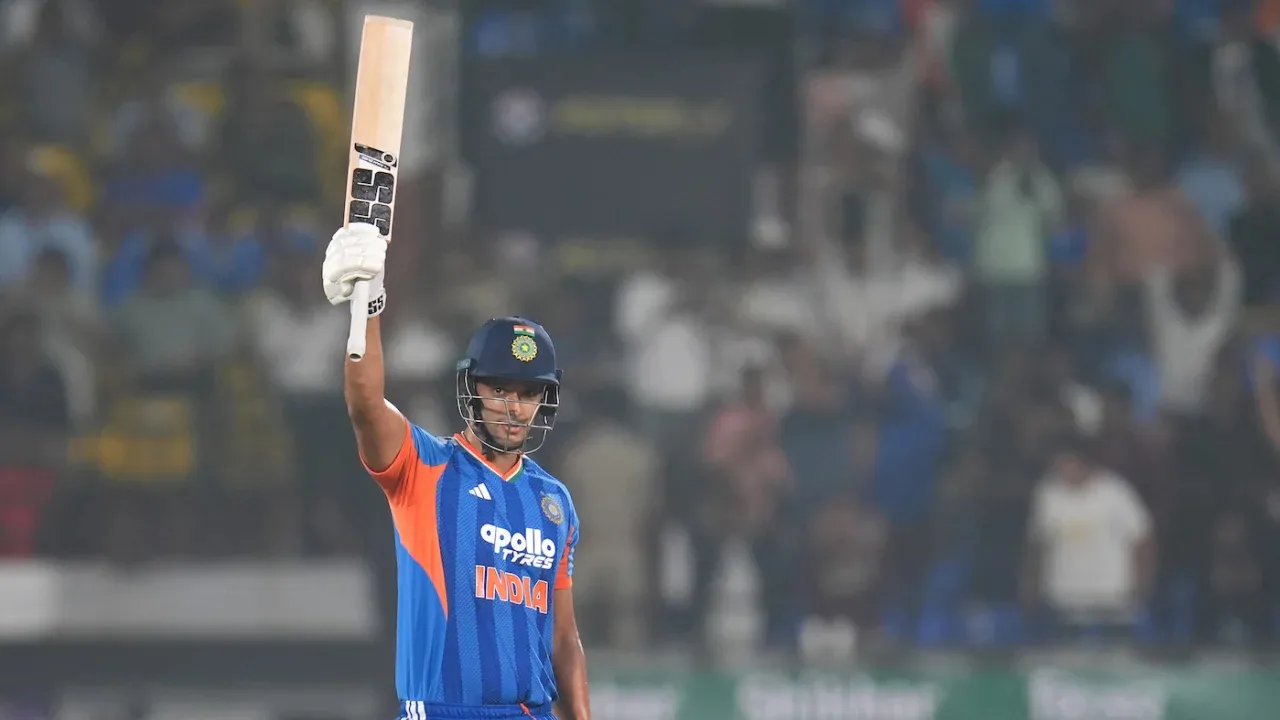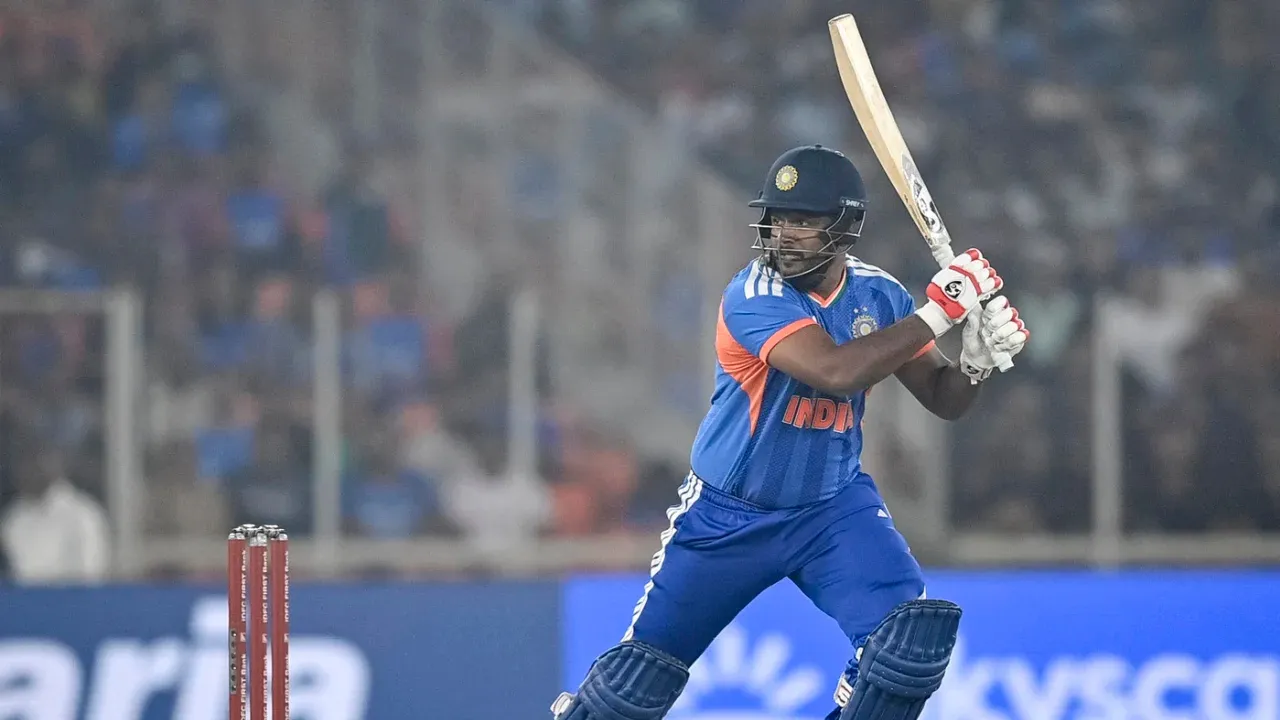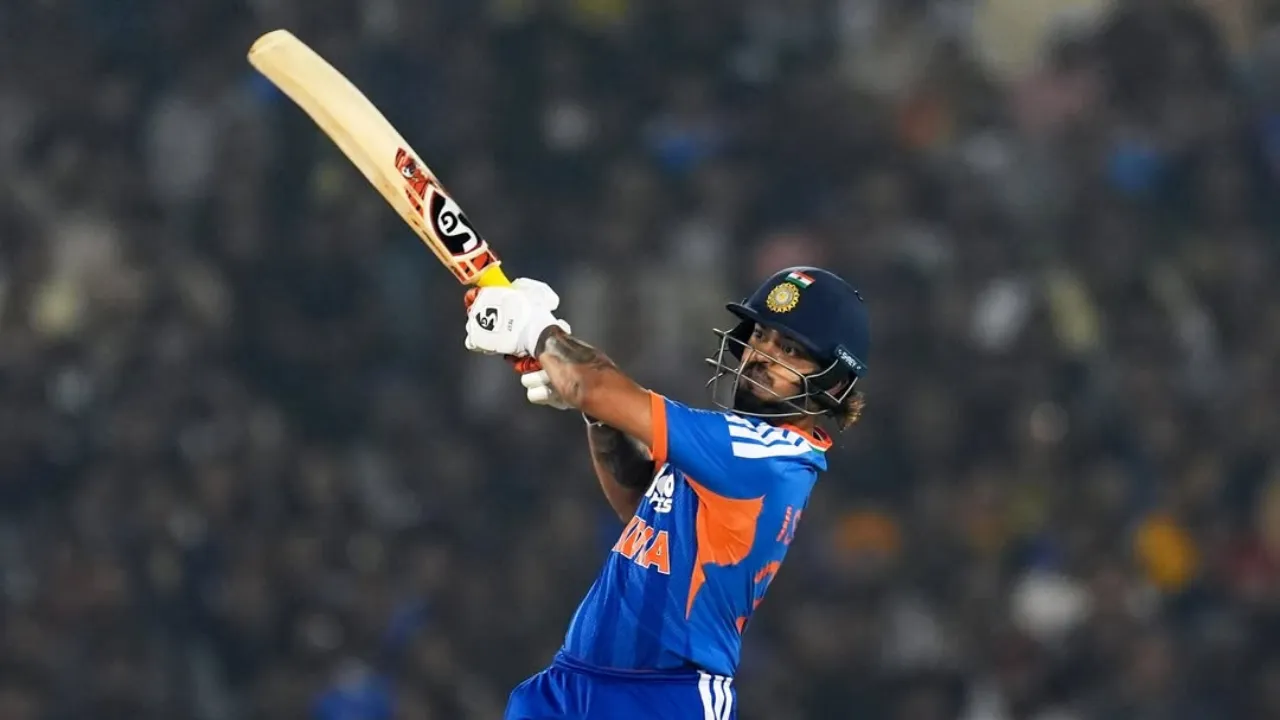
Tilak Verma the right player at No. 4 — why Saba Karim sees no place for Pant
India’s middle order debate has a new headline: former selector Saba Karim has backed Tilak Verma to bat at No. 4 and suggested there’s little room for Rishabh Pant in the playing XI for the upcoming ODI tie against South Africa. That opinion sparked fresh discussion about team balance, role clarity and how India should shape its batting in 50-over cricket. Here’s a clear, practical breakdown of why Karim believes what he does — and what it could mean for Tilak Verma and India’s middle order going forward.
Why Saba Karim prefers Tilak Verma at No. 4
A modern middle-order profile
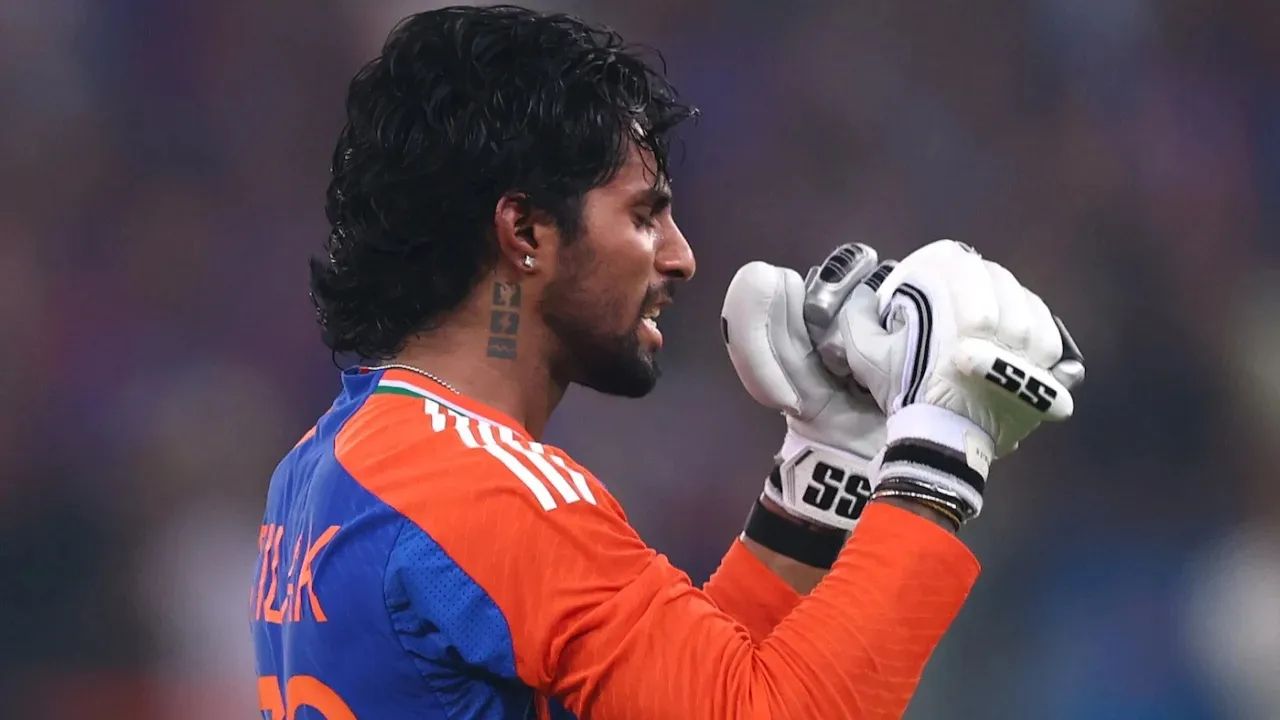
Saba Karim called Tilak Verma the “right player” to replace Shreyas Iyer at No. 4, highlighting Varma’s natural game against both pace and spin and his ability to switch gears depending on match situations. Karim’s assessment was tied to the immediate team needs — a clean, flexible No. 4 who can stabilize or accelerate as required.
Straight talk on Rishabh Pant
Karim also made the pointed remark that he “sees no place for Pant” in the XI for the fixture under discussion. In context, that was not a dismissal of Pant’s talent but a comment about the current composition India might prefer for balance and role clarity in the 50-over setup. Several outlets captured this exact phrasing when reporting Karim’s assessment.
What Tilak Verma brings to the table
Strike rotation, acceleration and left-handed balance
Tilak Verma is a left-hander who can rotate strike and clear the ropes when needed — a valuable combination for a No. 4. His T20 and domestic numbers show consistent high strike rates and the temperament to take calculated risks without throwing away his wicket. That variety helps the top order and gives captains more tactical flexibility late in the powerplay or during middle overs.
Recent form and experience
While Tilak’s ODI exposure is still limited, his performances across white-ball formats and in franchise cricket have made him a name selectors keep returning to. His profile on major cricket databases underlines a solid T20 and List-A record — the kind of momentum that supports a step up to a fixed No. 4 role in ODIs. Using him there would be a vote for seam-to-spin adaptability and for a player who can build or shift tempo.
Tactical reasons a team might prefer Tilak at No. 4 over Pant
1. Role clarity and team balance
A No. 4 must often play both anchor and aggressor depending on how the top three fare. Tilak’s game maps well to that hybrid role: he can occupy crease time when early wickets fall, and he can hit out if a platform exists. Pant, while explosive, has historically been more of a game-changer in T20s or in situations demanding sheer power, which complicates balance if the team already has several big hitters. Karim’s point about “no place” was rooted in this selection logic.
2. Keeping left-right combinations and spin options
Tilak offers left-handed variety in the middle order and chips in with occasional off-spin — a fringe bowling option that can be handy against specific oppositions and conditions. That dual-utility strengthens the argument for him as a more complete package for the No. 4 slot in ODIs.
3. Managing match-ups and overs allocation
In ODI cricket, how you allocate overs to seamers and spinners, and how you manage match-ups against opposition bowling attacks, matters. A No. 4 who can adapt his scoring rate and rotate strike keeps the scoreboard ticking, lets your finishers aim for the last 10 overs with the scoreboard in a healthy position, and reduces the need for emergency role changes. Tilak’s style fits that measured, flexible requirement. (This is tactical analysis based on observed roles and player skillsets; for Karim’s explicit selection opinion see the cited reports.)
How this call affects Pant and India’s selection dynamics
Not the end of Pant’s India story
Saba Karim’s view reflects a snapshot for a particular series and XI composition. Pant’s international future will depend on the roles the team management assigns, his form and fitness, and the formats in which India wants to deploy his game-changing qualities. Comments like Karim’s are influential but not definitive; selection committees and the team management have the final say.
Room for rotation and format-specific picks
India’s depth means multiple valid middle-order options. Management can choose Tilak for structural balance in an ODI while still keeping Pant as a contender for T20s, Tests (where applicable), or ODIs when a different topography of hitting and wicketkeeping is required. The key will be transparent roles and communication from selectors and coaches. (This paragraph is analysis grounded in how modern multi-format teams operate; see related selection commentary cited earlier.)
What to watch next — immediate indicators
1. Team sheets for the Ranchi ODI and the rest of the series
The first public signal will be the announced playing XI for the next India vs South Africa ODI. That will confirm whether selectors side with Karim’s pick or opt for a different mix.
2. How Tilak is used in the match
If Tilak Verma is given No. 4 and a clearly defined role, his approach to anchor/accelerate situations will be telling. Success in that role would strengthen calls for him to stay. If he’s used as a floater or pushed to the endgame, conclusions will be different.
3. Management comments after matchday
Coach and selector pressers typically reveal the thinking behind selection choices. Watch for their explanation about balance, left-right combinations, and the role they envision for both Tilak and Pant. For Karim’s comments and initial reaction reporting, see the cited coverage.
Conclusion: Tilak Verma’s opportunity and what it means
Saba Karim’s endorsement of Tilak Verma for the No. 4 spot is less about writing off other stars and more about choosing a specific tool for a defined job. For Tilak, it’s a clear opportunity: a chance to cement a crucial middle-order role for India. For fans and followers, it sets up an intriguing tactical test — can Tilak provide the stability and timing the side needs at No. 4, and will the management follow this logic consistently?
Selection debates like this are healthy for the sport: they force clarity on roles, push players to adapt, and keep conversations focused on what best serves the team. Keep an eye on the upcoming matches and the official team announcements — they’ll determine whether Karim’s view becomes selection orthodoxy or one of many opinions in a crowded conversation.