Felt trauma every day: AR Rahman on coping with his father’s death
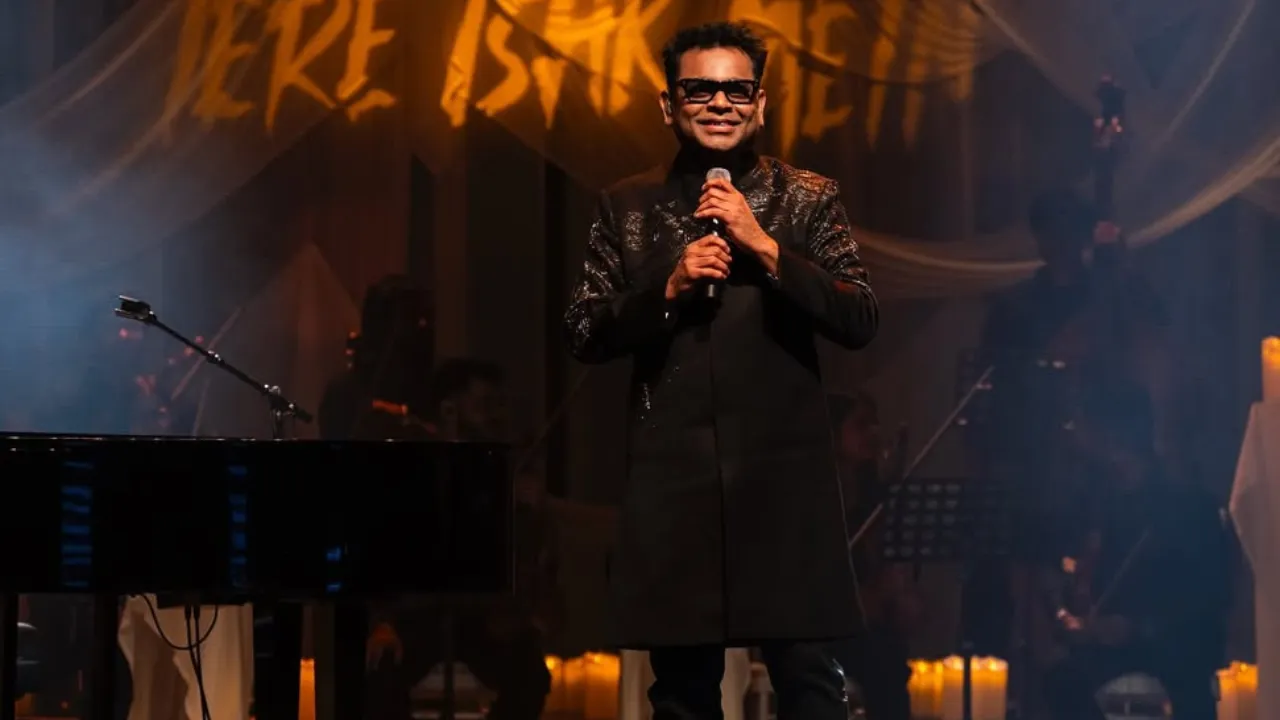
AR Rahman is one of the most celebrated composers the world has seen — an Oscar winner whose soundtracks have shaped generations. But behind the global acclaim lies a childhood marked by loss and hardship. In a recent, wide-ranging conversation, Rahman opened up about the emotional fallout after his father’s untimely death and how those early years shaped his music and life.
How a nine-year-old’s world changed
AR Rahman has said that his father passed away when he was nine, and that the loss — combined with other family hardships — left him waking up to “trauma every day.” Those formative losses, he explained, weren’t momentary grief but a continuing condition that affected his sense of safety and belonging. Rahman credited his mother’s resilience with keeping the family afloat as she raised four children alone.
From trauma to tune: the role of music in healing
For AR Rahman, music became a refuge and a way to process emotion. In interviews he’s described spending long hours in studios and around musicians — spaces that offered structure and a quiet kind of mentorship when family life was unsettled. Music wasn’t just a career choice; it was a therapeutic language that allowed him to translate pain into creative fuel.
What he said — the latest on Rahman’s reflections
The recent interview and its context
The recollections appeared as part of a recent podcast interview (the episode featured on podcasts hosted by Nikhil Kamath) where Rahman revisited his childhood losses, conversion to Sufism, and the longer arc of his life in music. Reporters picked up on a few stark lines — including his admission that he “saw trauma every day” as a child — and several established outlets published summaries and excerpts. These pieces form the basis for the public record of his comments.
Specifics that matter
Rahman has shared additional details in the same window of interviews: that after his father’s death the family faced financial instability, that his parents at one point were thrown out of their home, and that his father worked multiple jobs trying to secure a roof for them. These facts help explain not only the depth of Rahman’s childhood hardship but why music — and later faith — became central anchors for him.
Coping mechanisms Rahman highlights (and what readers can learn)
1. Lean on creative outlets
AR Rahman’s experience shows how creative practice can be a durable coping tool. Whether you write, sing, paint or compose, making art gives structure to feeling and a way to communicate when words fail. For Rahman, studio time became a formative daily ritual that also taught discipline.
2. Honor grief, don’t rush it
Rahman’s phrasing — that trauma was part of his everyday life — reminds us that grief can be chronic. Healing is rarely linear. Letting grief exist, seeking support, and allowing time are practical steps that align with what Rahman implies: recovery can be slow and uneven.
3. Build or find a support anchor
Rahman repeatedly points to his mother’s strength. For many people, a single dependable person — relative, friend, teacher — can make a huge difference during upheaval. If you’re struggling, identify at least one trusted person or professional to confide in.
4. Use faith or philosophy as a framework
Rahman has also spoken about spirituality and how investigating multiple faiths informed his outlook. Whether through religion, meditation, or a personal philosophy, having a framework that helps you interpret suffering can provide comfort and meaning.
Why Rahman’s story matters beyond celebrity
Stories like AR Rahman’s are useful because they demystify success. Talent and luck play roles, but so do early adversity and the long work of survival. Rahman’s life underlines that hardship and achievement can co-exist: trauma doesn’t erase talent, and success doesn’t erase pain.
For readers, that’s a twofold takeaway. First, trauma is common and often hidden; second, recovery often includes practical habits (creative work, support networks, spiritual or therapeutic frameworks) rather than dramatic overnight fixes.
Questions readers often have — answered briefly
Did AR Rahman ever talk about suicidal thoughts?
Yes. Rahman has previously acknowledged dark periods in his youth and young adulthood, including thoughts of despair. He has credited time, creativity, and his eventual career momentum with helping him through those phases. (Older interviews from the late 2010s documented this candidly.)
Is this new information or a rehash?
The recent podcast brought fresh details and a renewed focus on his childhood hardships — in particular the emphasis on daily trauma and anecdotes about his parents being nearly homeless. While Rahman has spoken about loss before, the latest interview offers newer framing and additional personal context.
Final thoughts: what AR Rahman’s journey teaches us
AR Rahman’s life is a reminder that the path from trauma to creative mastery is often long, jagged, and deeply human. His candor about waking up to “trauma every day” strips away the myth that success erases suffering. Instead, it shows how resilience can be built—through art, relationships, faith, and perseverance.
If Rahman’s story resonates, consider small, practical steps you can take today: make time each day for something creative, reach out to one person you trust, and if needed, seek professional support. Those actions, taken consistently, are the same kinds of building blocks that helped AR Rahman translate childhood pain into the music that now moves millions around the world.
Also Read: Tangia Zaman Methila’s Miss Universe Controversy Explained!